CBI Can’t Prosecute When Bank Suffers No Loss: Andhra Pradesh High Court Discharges Bhimavaram Hospitals Directors in ₹1.5 Crore SBI Case Section 256 CrPC Cannot Be A Shield For An Accused Who Never Faced Trial: Allahabad High Court Restores 8 Cheque Bounce Complaints Minimum Wages Cannot Be Ignored While Determining Just Compensation: Andhra Pradesh High Court Re-Fixes Income of Deceased Mason, Enhances Interest to 7.5% 34 IPC | Common Intention Is Inferred From Manner Of Attack, Weapons Carried And Concerted Conduct: Allahabad High Court Last Date of Section 4 Publication Is Crucial—Error in Date Cannot Depress Market Value: Bombay High Court Enhances Compensation in Beed Land Acquisition Appeals Order 26 Rule 10-A CPC | Rarest of Rare: When a Mother Denies Her Own Child: Rajasthan High Court Orders DNA Test to Decide Maternity Acquittal Is Not a Passport Back to Uniform: Punjab & Haryana High Court Upholds Dismissal of Constable in NDPS Case Despite Trial Court Verdict Limitation Under Section 468 Cr.P.C. Cannot Be Ignored — But Section 473 Keeps the Door Open in the Interest of Justice: P&H HC Non-Stamping Renders A Document Inadmissible, Not Void – Defect Is Curable Once Duty Is Paid: Punjab & Haryana High Court Upholds Specific Performance MP High Court Upholds Ladli Behna Yojana Criteria; Rules Registration Deadlines and Age Limits Fall Under Executive Domain Criminal Courts Are Not Recovery Agents: Orissa High Court Grants Bail in ₹3.5 Crore Land Fraud Cases Citing Article 21 and Terminal Illness Employee Cannot Switch Cadre At His Sweet Will After Accepting Promotion: J&K High Court Rejects Claim For Retrospective Assistant Registrar Appointment Anticipatory Bail Cannot Expire With Charge-Sheet: Supreme Court Reiterates Liberty Is Not Bound by Procedural Milestones Order II Rule 2 Cannot Eclipse Amendment Power Under Order VI Rule 17: MP High Court Refuses to Stall Will-Based Title Suit Grounds of Arrest Must Be Personal, Not Formal – But Detailed Allegations Suffice: Kerala High Court Upholds Arrest in Sabarimala Gold Misappropriation Case Grounds of Arrest Are Not a Ritual – They Are a Constitutional Mandate Under Article 22(1): Allahabad High Court Sets Aside Arrest for Non-Supply of Written Grounds Sect. 25 NDPS | Mere Ownership Cannot Fasten NDPS Liability – ‘Knowingly Permits’ Must Be Proved Beyond Reasonable Doubt: MP High Court Section 308 CrPC | Revocation of Pardon Is Not Automatic on Prosecutor’s Certificate: Karnataka High Court Joint Family and Ancestral Property Are Alien to Mohammedan Law: Gujarat High Court Sets Aside Injunction Right to Health Cannot Wait for Endless Consultations: Supreme Court Pulls Up FSSAI Over Delay in Front-of-Pack Warning Labels If A Son Dies Intestate Leaving Wife And Children, The Mother Has No Share: Karnataka High Court

Contradictions and Lack of Reliable Evidence Render Convictions Unsustainable - Andhra Pradesh High Court in Immoral Trafficking Case

07 May 2024 8:19 AM

By: Admin


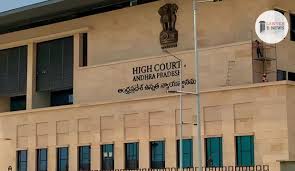
The High Court of Andhra Pradesh, in a landmark decision delivered by Justices K. Suresh Reddy and B.V.L.N. Chakravarthi, overturned previous convictions in Criminal Appeal No: 529/2013 and 569/2013. The appellants, Bada Padmasri @ Padma, & 3 Others, were acquitted on grounds of inconsistent and insufficient evidence in a case involving allegations of managing a brothel and other serious offenses under the IPC and the Immoral Traffic (Prevention) Act.

The judgment scrutinized several legal aspects, predominantly focusing on accusations of managing a brothel, procuring minors for prostitution, illegal restraint, and allegations of gang rape.

Originally, the case accused the appellants of running a brothel, coercing minors into prostitution, and committing gang rape, leading to their conviction in the lower court.

Witness Testimonies’ Inconsistencies: The bench highlighted considerable inconsistencies in the testimonies of key witnesses, casting doubts on the prosecution’s narrative.

Failure of Prosecution: It was found that the prosecution failed to convincingly establish the key aspects of the case, including the management of a brothel by A-1 or the involvement of appellants in the alleged sexual crimes.

Questions Over Age Determination and Medical Evidence: The court underscored ambiguities in ascertaining the victims' minor status and found the medical evidence insufficient to corroborate sexual assault allegations.

Inadequate Evidence Linking Appellants: The evidence was deemed inadequate to directly associate the appellants with the alleged criminal activities.

Judgment: The High Court, citing these discrepancies and the lack of solid evidence, acquitted the appellants, overturning the earlier convictions under various IPC sections and the IT(P) Act.

Date of Decision: March 28, 2024

Bada Padmasri @ Padma, & 3 Others VS The State Of Andhra Pradesh,

Latest Legal News