-
by sayum
05 August 2026 5:12 AM







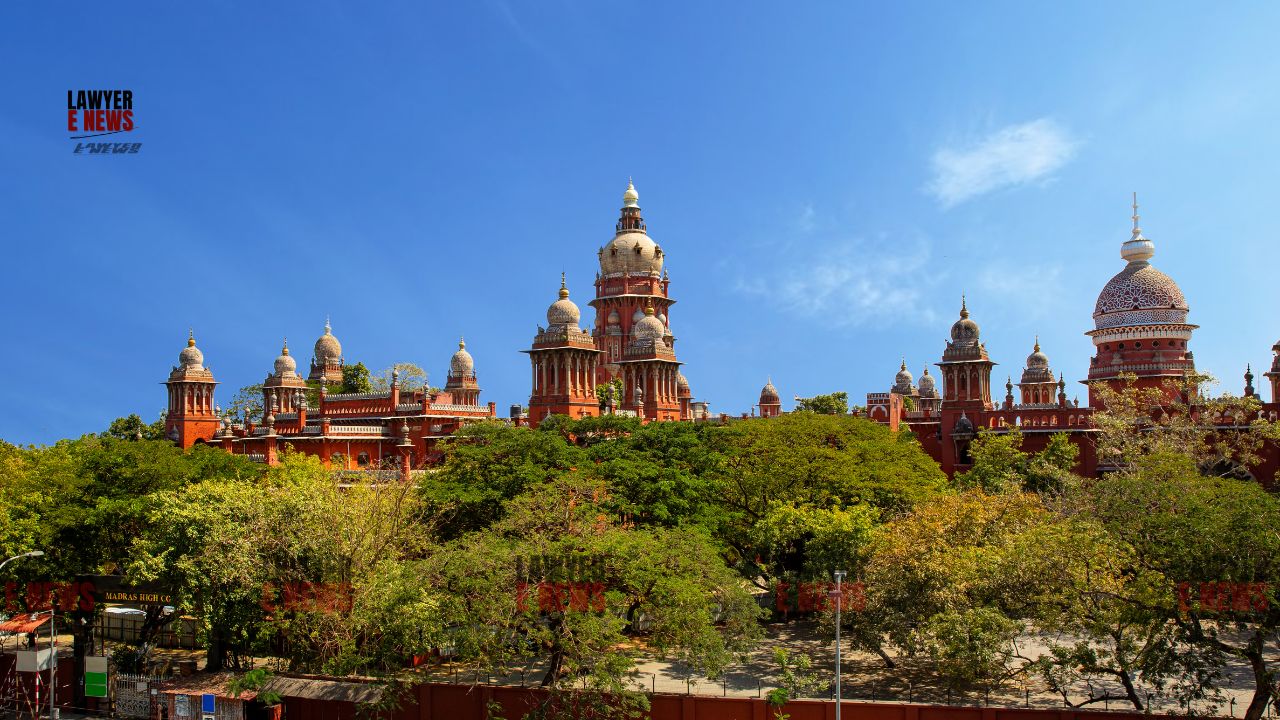
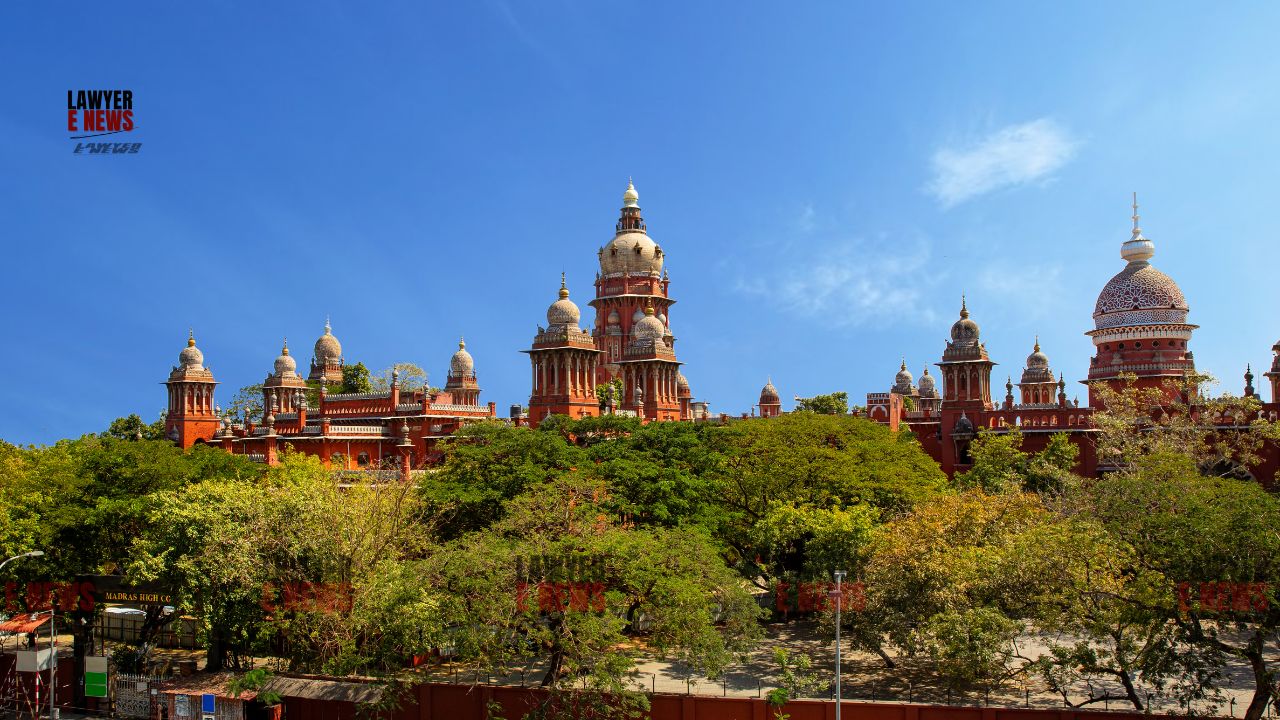
"Muttawalli Cannot Evade Responsibility by Blaming Predecessors" – Madras High Court delivered a significant judgment affirming the Tamil Nadu Wakf Board’s resolution dated 11.05.2022, which assumed direct management of the Masjid-E-Farkundha in Royapuram, Chennai. Justice A.D. Jagadish Chandira, while dismissing the revision petition filed by T. Mammu Sahib, the elected Mutawalli, upheld the decision of the Board on grounds of proven financial irregularities, unauthorized construction, and mismanagement during the petitioner’s tenure.
The Court ruled that the Wakf Board acted within its statutory mandate under Sections 64, 65, and 48 of the Wakf Act, 1995, and found no violation of natural justice. Emphasizing the larger public and religious interest, the Court observed that:
“Improper maintenance of accounts and misappropriation of funds seem to be a recurring practice in the petitioner’s Waqf… he had not initiated to resolve the same.”
A Pattern of Irregularity Ignored by the Mutawalli
The petitioner, T. Mammu Sahib, was elected as Mutawalli (President) of Masjid-E-Farkundha for a three-year term beginning 10.11.2019. However, his administration came under scrutiny following complaints from Jamath members, including former office-bearers, about unauthorized financial transactions, non-submission of accounts, and illegal construction of the mosque’s minara without the Board’s consent.
The Wakf Board, after issuing multiple notices and conducting a detailed audit, passed a resolution on 11.05.2022, taking over the mosque’s administration and appointing the Chennai Superintendent as Executive Officer.
The petitioner challenged the Board's resolution before the Tamil Nadu Wakf Tribunal, which dismissed his application. The present Civil Revision Petition (C.R.P. No. 88 of 2023) was filed under Article 227 of the Constitution, seeking intervention of the High Court.
No Escape from Responsibility: Petitioner Held Liable for Lapses During His Term
Rejecting the petitioner’s claim that the irregularities pre-dated his term, the Court emphasized:
“The petitioner, having assumed the office of Mutawalli from 10.11.2019, cannot simply shirk his liability to render accounts as contemplated under Section 46 of the Wakf Act, 1995 by contending that such misappropriation had been persisting even prior to his tenure.”
The Court found that despite being elected to bring in accountability, the petitioner failed to initiate corrective steps. On the contrary, he continued to authorize payments for illegal construction even after the Board took over, which further weakened his position.
“Even after the assumption of direct management… he had been continuing the activities in making payment for construction of minara… which shows the very attitude of the revision petitioner.
Natural Justice Not Violated: Participation in Enquiry Was Sufficient
One of the petitioner’s principal contentions was that he was not furnished with the audit report that formed the basis of the Board’s decision. However, the Court held:
“It is his specific stand that he was not aware of anything as he was not furnished any materials… however, it is admitted that he appeared for the enquiry before the Wakf Board.”
Referring to Section 48 of the Wakf Act, the Court observed that while the Board is empowered to act on the auditor’s report, the statute does not mandate supply of the report, particularly when the person concerned has participated in the enquiry and failed to object at the relevant stage.
“The language employed in the legal provision does not make it mandatory… especially when the revision petitioner had not at all raised such a plea either during the enquiry before the Wakf Board or in the Original Application filed before the Wakf Tribunal.”
Technical Arguments Rejected: Committee Was Duly Removed by Special Resolution
The petitioner also argued that the Board could not assume direct management without formally removing his committee. The Court termed this a “mere technicality,” noting that the committee was removed by a Special Resolution dated 27.07.2022, which the petitioner never challenged.
“The petitioner had not challenged the said Special Resolution. Therefore, the assumption of direct management preceded by due process remains unimpeachable.”
Court Concludes that Wakf Board Acted to Protect the Religious Institution
The High Court emphasized that the Wakf Board’s action was not arbitrary but based on:
Enquiry proceedings,
Persistent non-compliance with financial norms,
Unauthorized construction,
Lack of transparency and documentation.
“On considering the irregularities and after conducting enquiry… the order was passed by the Wakf Board to assume direct management… and it cannot be found fault merely on the plea of the petitioner.”
Court Refuses Interference, Prioritizes Protection of Wakf Property
Justice A.D. Jagadish Chandira concluded that the Wakf Tribunal’s order was legally sound, and the Board had discharged its duty to safeguard the interest of the Wakf:
“The Waqf Tribunal had rightly found that the Waqf Board has passed the impugned resolution assuming direct management of the petitioner's Waqf, which does not warrant any interference.”
“The civil revision petition is accordingly dismissed. No costs. The connected miscellaneous petitions are also dismissed.”
Date of Decision: 30 May 2025