-
by sayum
02 October 2026 8:27 AM







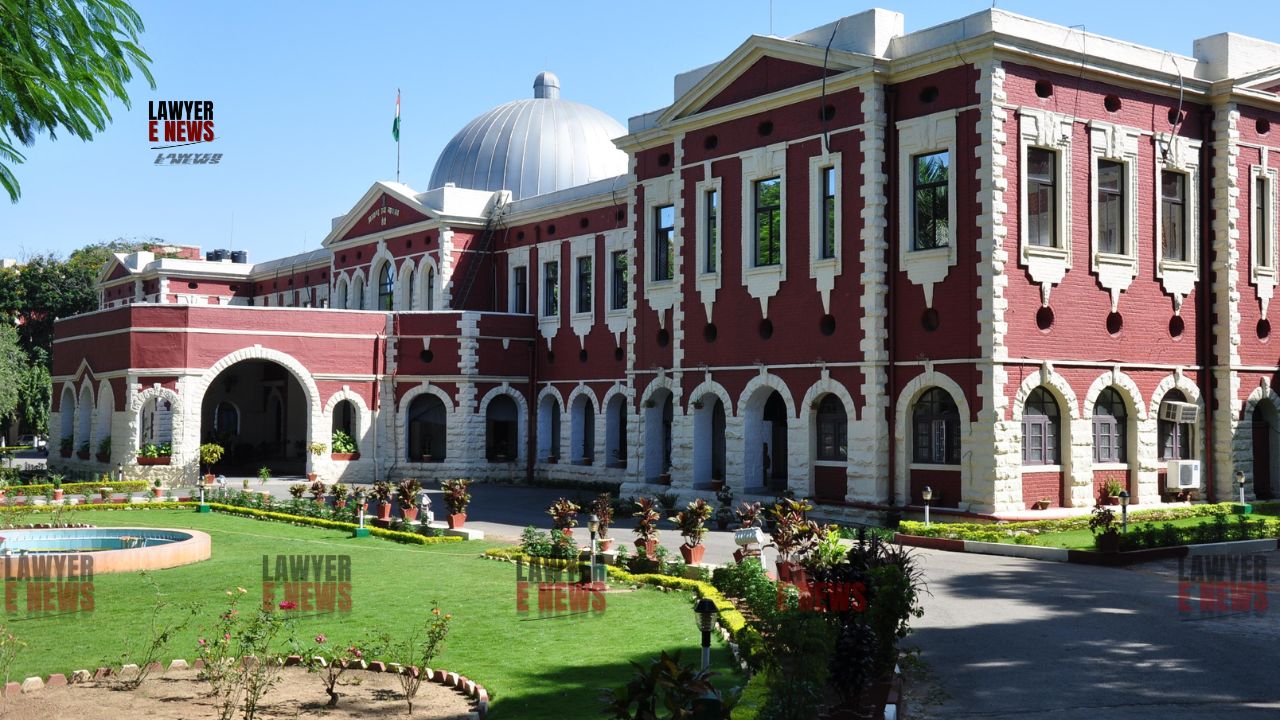
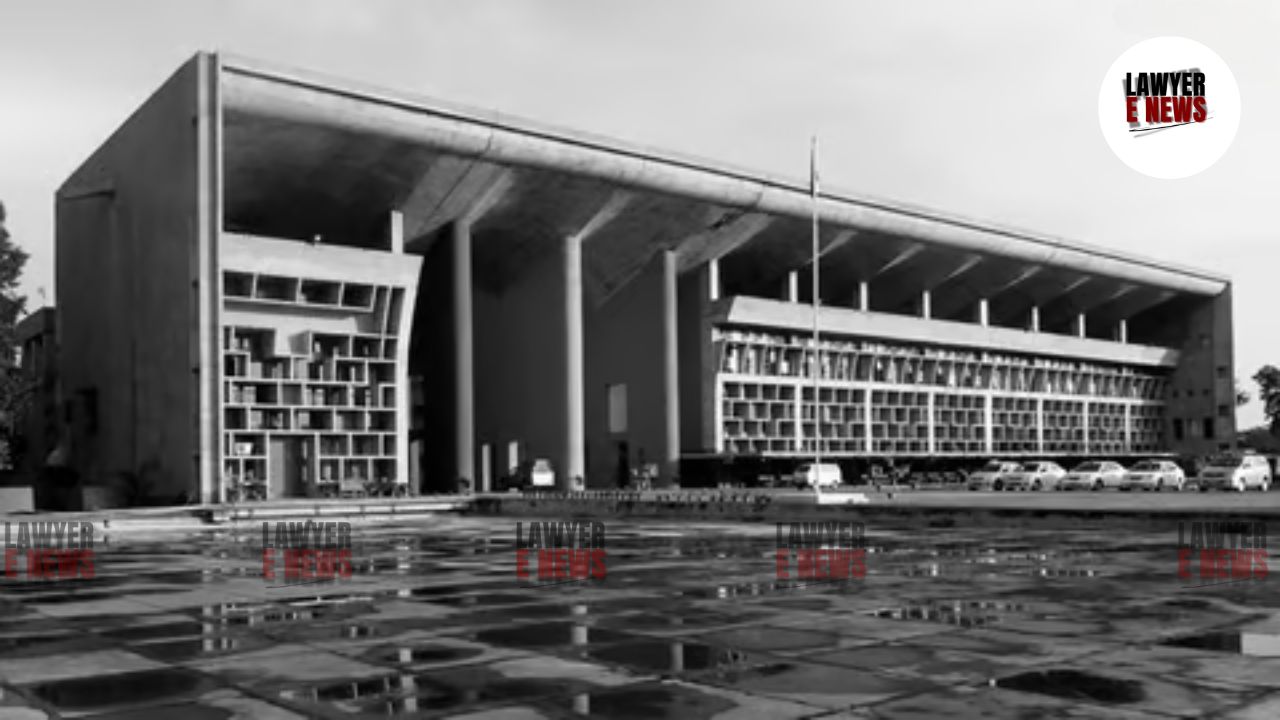
The Jharkhand High Court has quashed the FIR and the entire criminal proceedings against BALCO Limited and its high-ranking officials in a case arising from a commercial dispute. The court’s decision, delivered by Justice Sanjay Kumar Dwivedi, underscored the misuse of criminal law to settle civil disputes, stressing that the criminal justice system should not be exploited for personal vendettas.
The case involved a complaint filed by Ganesh Kumar Agiwal, proprietor of M/s Vassu Enterprises, against BALCO Limited and several of its executives. The dispute originated from a series of contracts between Vassu Enterprises and BALCO for material handling, housekeeping, and transportation services. Following the termination of these contracts in 2015, Agiwal alleged that BALCO had withheld machinery and payments amounting to over Rs. 15 crore, leading to significant financial losses and GST liabilities for his firm.
The High Court observed that the dispute between Vassu Enterprises and BALCO was purely civil in nature, arising from contractual obligations. Justice Dwivedi noted, “Every breach of contract would not give rise to an offence of cheating unless there was any deception played at the very inception.”
The court emphasized that converting civil disputes into criminal cases is a growing trend, often driven by the perception that civil remedies are slow and inadequate. It stated, “To pursue criminal charges in a case to abuse the criminal justice system with a motive to seek personal vengeance, rather than seeking justice, was further deprecated time and again by the Hon’ble Supreme Court and the High Courts.”
The court criticized the lower court’s order under Section 156(3) Cr.P.C., which directed the police to register an FIR and investigate the complaint without proper application of judicial mind. Citing the Supreme Court’s guidance in Priyanka Srivastava v. State of U.P., the judgment stated, “The learned Magistrate should take note of the allegations in entirety, the date of incident and whether any cognizable case is remotely made out.”
Justice Dwivedi remarked, “To allow the proceeding to continue, will amount to an abuse of the process of law. The allegations reveal a purely civil dispute for a money claim alleging that full payments were not made. There is no assertion of any dishonest intention or misappropriation to cheat from the very beginning.”
The quashing of the FIR and criminal proceedings by the Jharkhand High Court underscores the importance of distinguishing between civil and criminal matters. This judgment serves as a reminder that the criminal justice system should not be misused to exert undue pressure in commercial disputes. The pending case under the Micro, Small and Medium Enterprises Development Act will proceed independently, ensuring that the civil aspects of the dispute are addressed appropriately.
Date of Decision: August 2, 2024
BALCO Limited and Others vs. State of Jharkhand and Ganesh Kumar Agiwal