-
by sayum
05 August 2026 5:12 AM







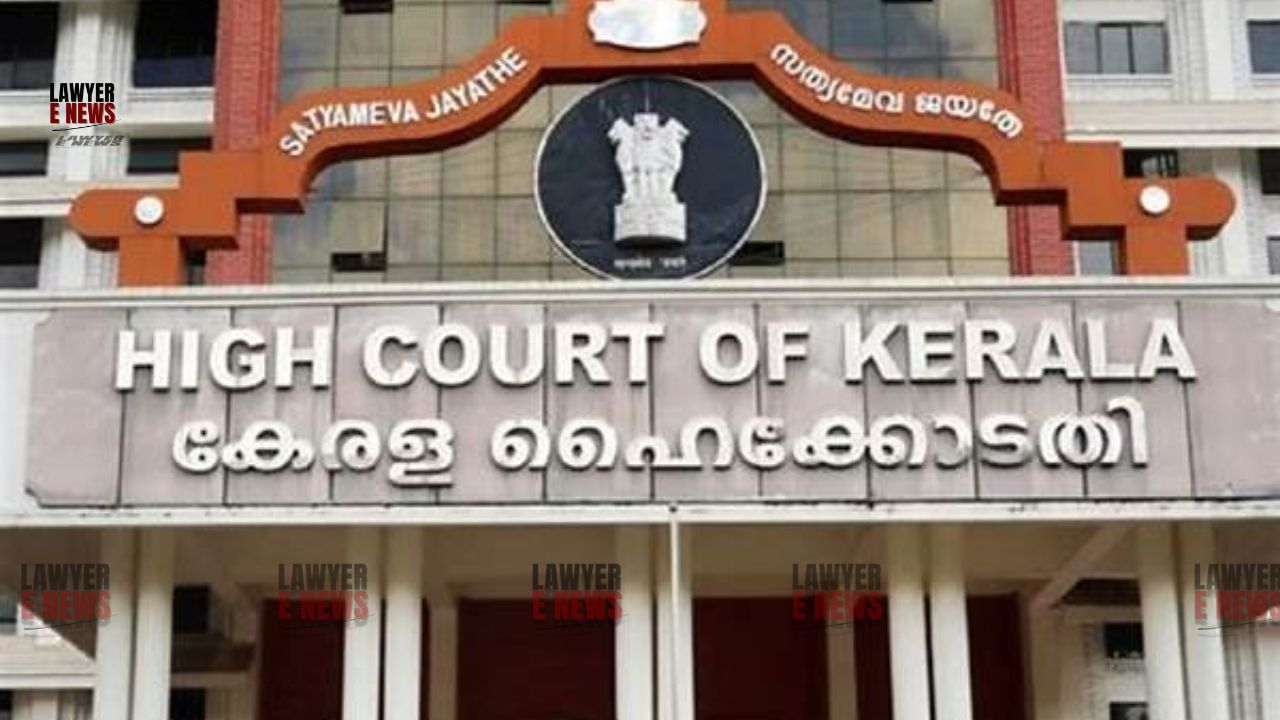
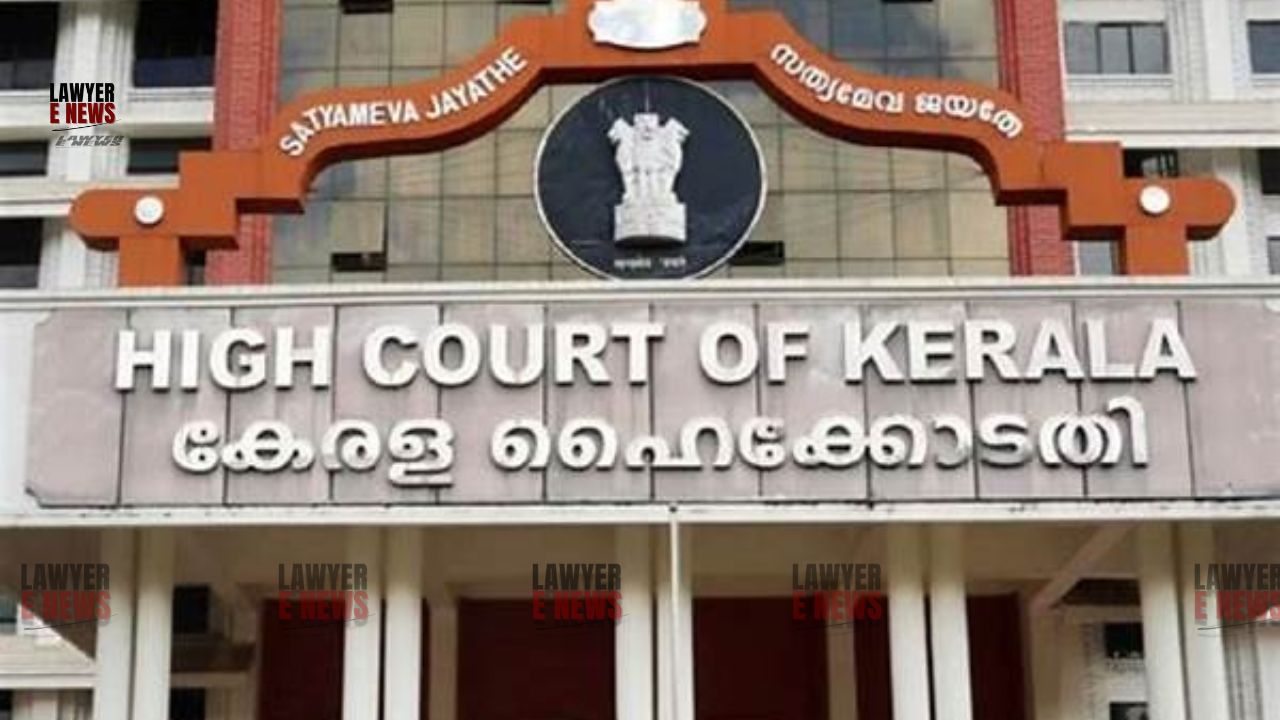
“Dishonour Memo Without Cheque Number Can’t Support Conviction — Fair Trial Demands Right to Examine Bank Manager”: In a significant decision Kerala High Court held that “a cheque dishonour memo which does not contain the cheque number cannot invoke the presumption under Section 146 of the Negotiable Instruments Act, 1881 (NI Act)”, and set aside the acquittal passed by the trial court.
Justice A. Badharudeen emphatically observed that “Section 146 NI Act does create a presumption about dishonour based on the bank's slip or memo, but for that presumption to operate, the memo must reflect the cheque number, date, and amount.”
The Court went further to hold that “denying the complainant an opportunity to examine the Bank Manager to prove the dishonour of the cheque, when the dishonour memo itself lacks the cheque number, amounts to a denial of fair trial.”
“Dishonour Memo Without Cheque Number Is Incomplete — Section 146 NI Act Cannot Be Blindly Invoked”: High Court Explains
The Court did not mince words while explaining the importance of cheque details in the dishonour memo. It remarked, “Section 146 of the NI Act makes the bank's slip a prima facie piece of evidence only if it carries the cheque number, date, and the amount of the dishonoured cheque.”
Justice Badharudeen observed, “In the present case, neither Ext.P2 intimation memo nor Ext.P3 dishonour memo disclosed the cheque number, which is the very foundation of the offence under Section 138 of the NI Act.”
The Court further declared, “Without the cheque number, the dishonour memo is merely a vague document. The trial court fell into error by refusing to allow the complainant to summon the Bank Manager to prove the crucial link between the cheque and the dishonour memo.”
“A Cheque Dishonour Memo Without Linking the Cheque Cannot Form the Basis of Conviction”: Court Warns Against Mechanical Application of Law
While elaborating on the nature of evidence under Section 146 NI Act, the Court noted, “For Section 146 to operate, it is not enough that there is any bank memo; the memo must directly pertain to the dishonoured cheque forming the subject matter of the prosecution.”
Justice Badharudeen underlined the trial court's error by stating, “Instead of curing the defect by allowing the complainant to lead oral evidence through the Bank Manager, the trial court dismissed the petition, shutting the door on the complainant’s right to prove his case.”
“Denying Right to Prove Basic Bank Evidence Strikes at the Root of Fair Trial”: Kerala High Court Sets Aside Acquittal
Terming the refusal to summon the Bank Manager as a serious procedural error, the Court made a strong observation: “Denial of the right to examine a key witness to explain the dishonour memo, especially when the memo itself is incomplete, amounts to violation of natural justice.”
The Court went on to hold, “The absence of cheque number in the memo does not mean the case collapses, but it necessitates the complainant being granted the opportunity to supply that missing link through oral evidence of the concerned bank official.”
Setting aside the trial court’s acquittal dated 06.02.2014, the Kerala High Court remanded the case for fresh adjudication, observing that “the complainant shall be allowed to examine the Bank Manager to prove the dishonour of the cheque as per law.”
The Court directed, “The complainant shall appear before the trial court at 11:00 a.m. on 01.07.2025, and thereafter the court shall proceed to dispose of the matter afresh, in accordance with law.”
This judgment sends a clear message that “a cheque dishonour memo devoid of the cheque number cannot be treated as sacrosanct evidence under Section 146 NI Act. Courts cannot mechanically apply presumptions without ensuring that the basic factual foundation of the dishonour is established.”
Date of Decision: 2 June 2025