-
by sayum
08 August 2026 1:54 PM







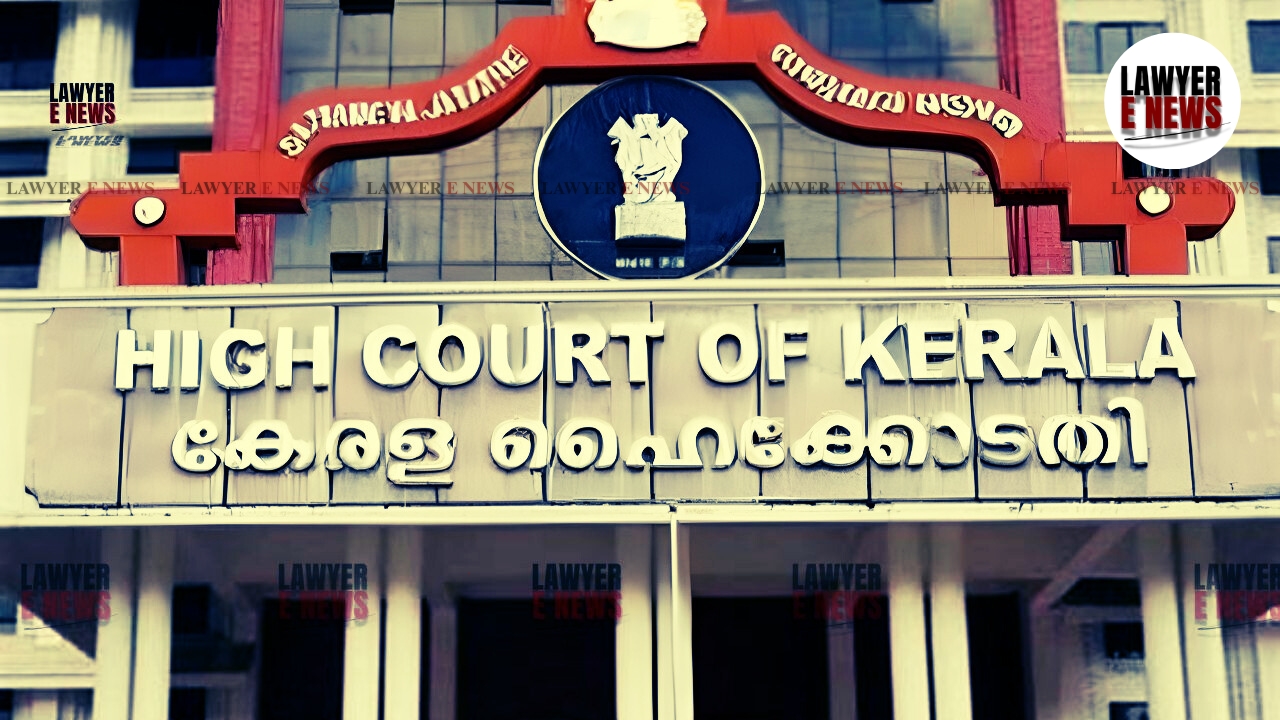
"Transparency And Fair Hearing Are Not Optional Even In Cricket Administration": In a strong indictment of procedural lapses in the realm of sports governance, the Supreme Court of India set aside a life ban imposed by the Kerala Cricket Association (KCA) on former Ranji Trophy player Santhosh Karunakaran, calling the action "excessive and unmerited." In its ruling Court held that the proceedings before the Ombudsman-cum-Ethics Officer were “non-transparent,” “procedurally unfair,” and suffered from denial of natural justice. The Court not only quashed the Ombudsman’s and the High Court’s orders but also revived the original application filed by the appellant, directing it be reheard within three months.
Santhosh Karunakaran, a respected former cricketer and member of the Thiruvananthapuram District Cricket Association, had filed Original Application No. 10 of 2019 before the Ombudsman of the KCA. His objective was to ensure uniformity and transparency in cricket administration across Kerala. He prayed for the implementation of model bye-laws—in line with the Lodha Committee recommendations adopted by the BCCI—across all District Cricket Associations (DCAs).
The Ombudsman, however, dismissed the application on 3rd October 2020, citing the appellant's failure to implead the DCAs despite alleged prior directions issued on 13th February, 25th February, and 10th March 2020. This order was upheld by both the Single Judge and the Division Bench of the Kerala High Court, which accused the appellant of approaching the court “with unclean hands.”
Following this, the KCA convened a Special General Meeting and on 8th August 2021, imposed a lifetime ban, blacklisting Karunakaran from all cricketing activities in the state.
Ombudsman’s Proceedings Not Transparent
The Supreme Court found serious fault in the manner the Ombudsman handled the original application. The Court noted that despite repeated requests, the appellant was denied access to the records, including the very orders he was accused of violating.
As the Court observed: “The appellant had made out a plausible case to suggest that the proceedings before the Ombudsman were non-transparent… copies of the relevant records/orders were not provided to the appellant.”
Referring to the denial of documents on the ground that the Ombudsman is a persona designata and not a court of record, the Court strongly disagreed: “Such a justification for withholding access to records strikes at the heart of procedural fairness. Transparency cannot be avoided on technicalities when a person’s rights are at stake.”
Adding further weight to its conclusion, the Court referred to the Ombudsman’s earlier order dated 2nd August 2019, in which he had remarked that impleadment of DCAs might “entail unnecessary delay.” This, the Court said, could reasonably have led the appellant to believe that impleading DCAs was not mandatory.
“The order of 2nd August 2019 definitely gave rise to a reasonable belief that the appellant was not under any obligation to implead the DCAs.”
The Court emphasized that the application was not adversarial in nature:
“The only prayer of the appellant in the original application was to frame uniform Bye-laws… it was not a litigation requiring mandatory impleadment of all DCAs.”
On Life Ban: Supreme Court Calls It Harsh And Unjustified
The apex court was equally critical of the Kerala Cricket Association’s decision to blacklist the appellant and impose a life ban shortly after the High Court dismissed his writ appeal. The Court noted that the ban was imposed after a show-cause notice and a meeting, but without affording a fair and effective hearing, especially given the backdrop of flawed Ombudsman proceedings.
“The High Court has taken a very harsh view in rejecting the writ petition… concluding that the appellant had approached the court with unclean hands.”
“The decision of the KCA in blacklisting the appellant is also struck down and set aside.”
The Court made it clear that the right to participate in public or semi-public institutions like sports associations cannot be curtailed without strict adherence to due process.
“Banning a cricketer for life on such a procedural foundation is wholly unsustainable.”
Final Directions And Revival Of Application
The Supreme Court quashed the following orders:
The Ombudsman’s dismissal dated 3rd October 2020
The High Court’s judgments dated 27th January 2021 and 21st June 2021
The KCA’s blacklisting and life ban order dated 22nd August 2021
The Court further held:
“The proceedings of the Original Application No. 10 of 2019 filed by the appellant before the Ombudsman shall stand revived. The concerned parties shall be provided an opportunity of hearing, and the original application shall be decided afresh… within a period of three months.”
This decision reaffirms that sporting bodies are not above principles of natural justice, and must ensure transparency, procedural clarity, and fairness, especially when the career or reputation of an individual is at stake.
The Supreme Court’s ruling in Santhosh Karunakaran v. Ombudsman cum Ethics Officer, Kerala Cricket Association & Anr. stands as a clear message: administrative actions, even in the sphere of sports, must pass the test of legality and fairness. By restoring the original application and striking down the life ban, the Court reminded institutions like the KCA that disciplinary measures cannot be tools of reprisal or convenience.
“The application filed by the appellant was not in the form of any adversarial litigation requiring the mandatory opportunity of hearing to the DCAs.”
“Transparency, not opacity, must govern the conduct of Ombudsman proceedings.”
The ruling is a significant assertion of judicial oversight over opaque practices in sports governance and a step towards ensuring that those seeking reform are not silenced through procedural technicalities.
Date of Decision: 29 July 2025