-
by sayum
04 October 2026 12:06 PM







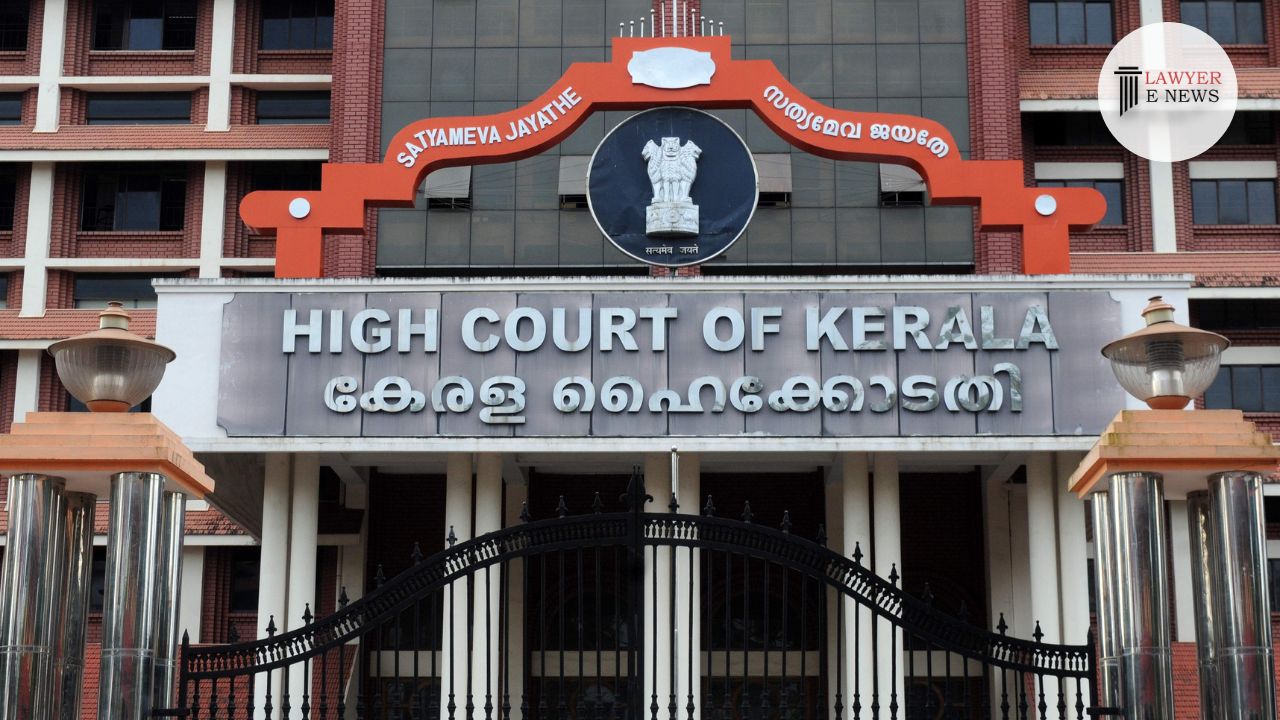
In a significant legal ruling, the High Court of Kerala, led by Justice C.S. Dias, delivered a judgment on 17th October 2023 that reinforces the legitimacy of complaints filed by companies under Section 138 of the Negotiable Instruments Act. The judgment sets a precedent for cases involving dishonored cheques and power of attorney holders.
Justice Dias observed, “The complaint is filed by the firm in its name and is represented by its Branch Manager, who has been authorized as per Ext.P10 resolution.” This clarification underscores that complaints filed by companies with authorized representatives are valid.
Distinction Between Individual and Corporate Complainants:
The judgment also makes a clear distinction between complaints filed by individuals and those by companies or firms. “A subtle distinction has been carved out in TRL Krosaki Refractories Ltd. By clarifying that in a complaint filed by a company/firm, a specific assertion regarding the knowledge of the power of attorney holder... broadly applies to complaints filed by individual complainants and not companies/firms,” noted Justice Dias.
Shift of Onus of Proof:
Furthermore, the judgment emphasized the shift of the onus of proof from the complainant to the accused in such cases. “In cases where the complainant/payee is a company, an authorized employee can represent the company. Therefore, the ratio decidendi in Narayanan.A.C broadly applies to complaints filed by individual complainants and not companies/firms,” the judgment highlighted.
Recovery Focus in Sentencing:
In determining the sentence, the Court focused on recovery rather than retribution, stating, “Unlike other forms of crime, the punishment under Section 138 of the Act is not a means of seeking retribution but a means to ensure payment of money.”
The case, initially filed by Popular Motor Corporation, highlights the importance of clear procedures and legal safeguards in cases of dishonored cheques. The judgment reinforces the rights of companies and firms to seek redress under Section 138 of the Negotiable Instruments Act and clarifies the standards of evidence and representation.
This judgment is expected to have far-reaching implications for similar cases in the future and provides clarity on the legal procedures for filing complaints in such matters.
Date of Decision: 17 October 2023
POPULAR MOTOR CORPORATION VS STATE OF KERALA