-
by sayum
05 October 2026 9:18 AM







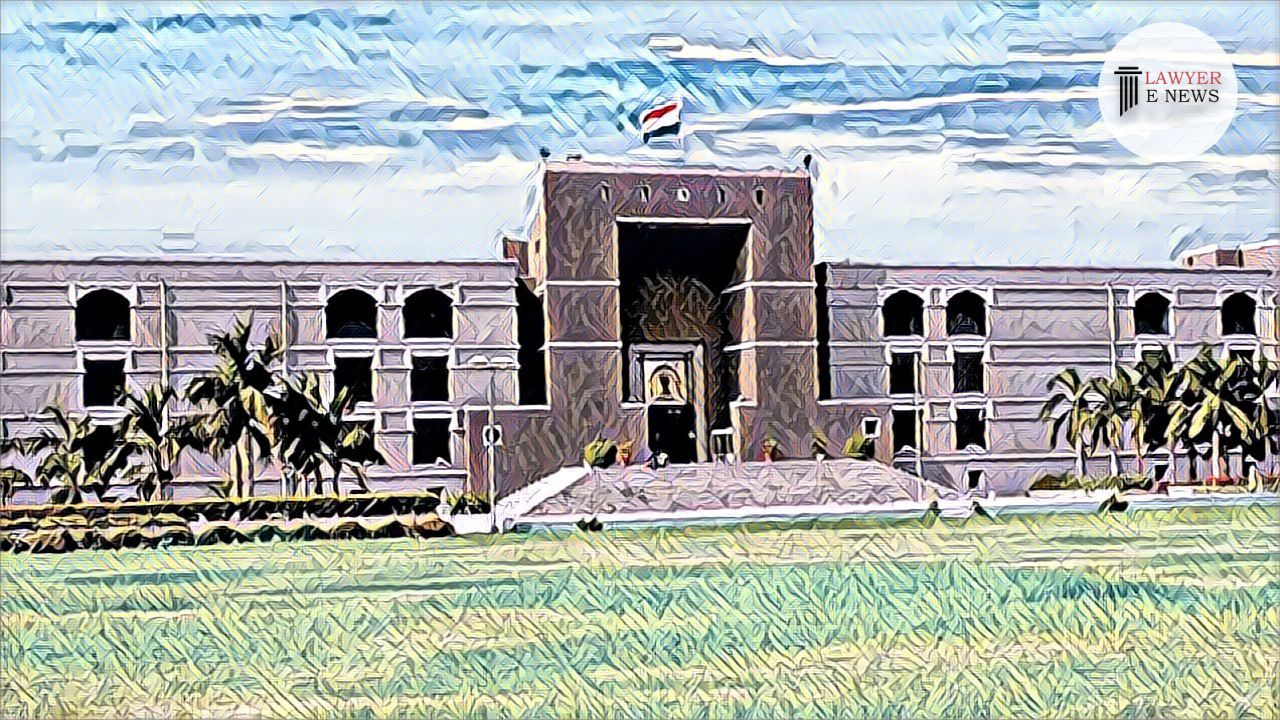
In a significant judgement dated February 16, 2024, the High Court of Gujarat, presided over by Honourable Ms. Justice Nisha M. Thakore, dismissed an appeal in a cheque dishonor case under Section 138 of the Negotiable Instruments Act, 1881. The court underscored the absence of sufficient evidence to establish the complainant’s financial capacity and the existence of a legally enforceable debt, thereby affirming the respondent’s acquittal.
Legal Point of the Judgement: The pivotal legal issue revolved around the presumption under Section 139 of the Negotiable Instruments Act, which assumes the existence of a debt or liability unless disproved. The case hinged on whether the appellant successfully rebutted this presumption by raising doubts about the complainant’s financial capacity and the authenticity of the promissory note.
Facts and Issues: The original complainant alleged that he had lent a sum of Rs. 15,00,000 to the accused in cash, who, instead of repaying the debt, issued three dishonored cheques. The accused challenged the complainant’s financial capacity to lend such an amount and disputed the execution of any promissory note. The trial court convicted the accused, but the appellate court acquitted them, prompting this appeal.
Court Assessment: The High Court meticulously analyzed the evidence, highlighting contradictions in the complainant’s statements regarding the promissory note and his financial capacity to lend the amount. The court observed, “The complainant has suppressed his income documents…no explanation or evidence is produced by the complainant to show his business capacity and the generation of income therefrom.” The court found the appellant unsuccessful in demonstrating a probable defence to rebut the statutory presumption under Section 139.
Justice Thakore noted, “The Court cannot ignore evidence which otherwise has been pointed out by the accused in the cross-examination of the complainant.” The contradictions in the complainant’s testimony raised reasonable doubt about the existence of a legally enforceable debt.
The High Court refused special leave to appeal and dismissed the appeals, upholding the acquittal of the respondent. The judgment emphasized the importance of concrete evidence in proving the financial capacity of the complainant and the existence of a legal debt in cases involving cheque dishonor.
Date of Decision: February 16, 2024
Jay Narayan Ruwala Vs. State of Gujarat