
-
by sayum
21 October 2026 5:27 PM







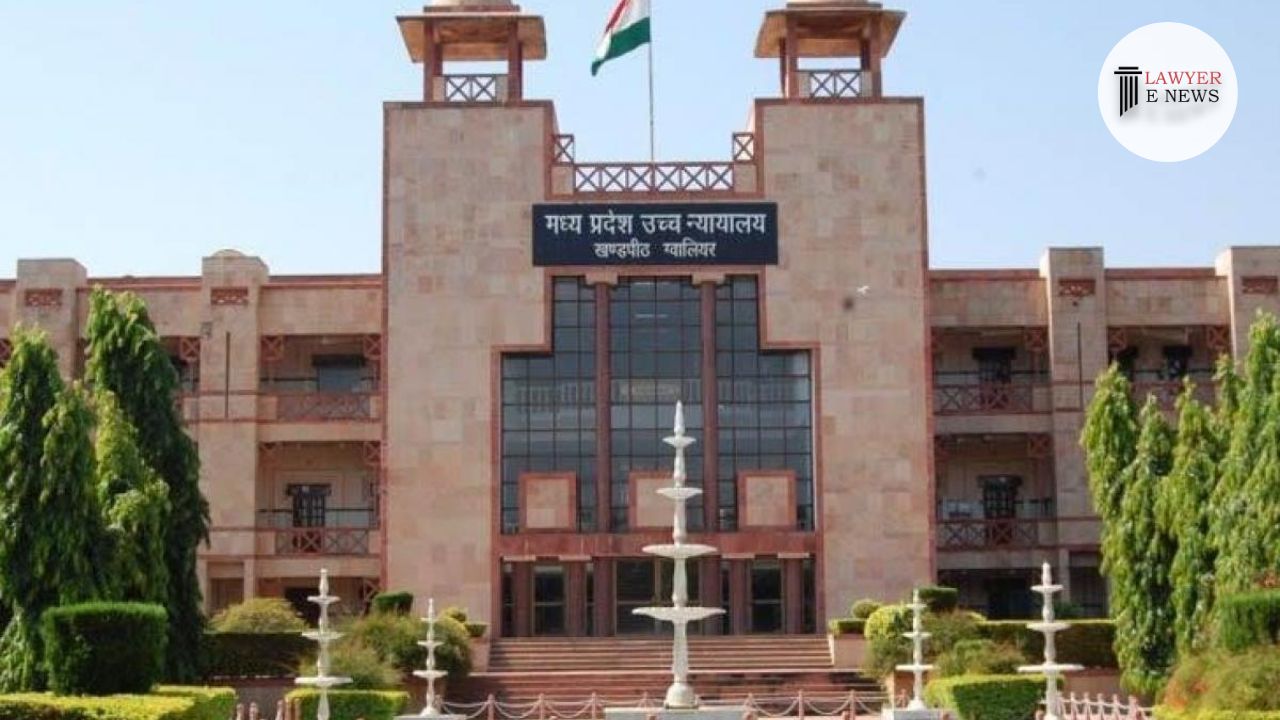
The Madhya Pradesh High Court recently dismissed a rape case filed against a man by his'second wife' on the grounds that it was a frivolous case containing false allegations against the man.
Bench of Justice Anand Pathak noted that the litigation was vexatious and frivolous in an effort to exert pressure on the man in order to extract money or an attempt by the prosecutrix ('second wife') to transform a domestic dispute into criminal allegations.
In this case, the 41-year-old respondent No.2/complainant/prosecutrix filed a First Information Report (FIR) against the 55-year-old Manohar Silawat (Applicant/Petitioner), alleging that she was raped by him in May 2001, resulting in her becoming pregnant and giving birth to one child.
In addition, it was alleged that he continued to have a physical relationship with her, called her for intermittent maintenance payments, committed rape, and threatened her with dire consequences.
The petitioner, on the other hand, filed the instant Section 482 CrPC to contest the FIR lodged against him and the subsequent criminal proceedings arising from the case under Sections 376 and 506 of the IPC.
Counsel for the petitioner stated that the complainant and petitioner are both from the Scheduled Caste and that, according to their customs, Natra (social customs such as live-in/marriage) was performed between them, wherein the petitioner lived with both of his wives with the consent of his first wife.
In addition, he argued that the petitioner was falsely accused because, despite the prosecutor's request, he did not transfer all of his property to her.
The Counsel also referred to an application made by the complainant/alleged victim before the Principal Judge, Family Court, Gwalior under Section 125 of the Cr.P.C. seeking maintenance from the petitioner on the basis that she is his wife and he removed her from his family household in July 2019.
The Court noted at the outset that the prosecutrix had lived with the petitioner and had been blessed with a son, Harsh (now nearly 20 years old), and that after 18 years she had filed a complaint against the petitioner resulting in the registration of a case.
When the petitioner and prosecutrix lived together as a couple for eighteen years, the Court stated that any allegations made by prosecutrix pale in comparison because they are primarily motivated to exert pressure. In addition, a review of the application under Section 125 of the Criminal Procedure Code filed by respondent No. 2 reveals that, on the one hand, she alleged that they lived in a live-in relationship, but now she claims that they were married. A position so divergent can only be taken when the facts are misrepresented.
As a result, the Court determined that allowing such false allegations to stand and dragging the petitioner into litigation to defend himself would be an injustice.
In light of this, the court dismissed the FIR and all criminal proceedings and accepted the petitioner's plea.
D.D: 09 JUNE 2022
MANOHAR SILAWAT Versus THE STATE OF MADHYA PRADESH