-
by sayum
08 October 2026 6:24 AM







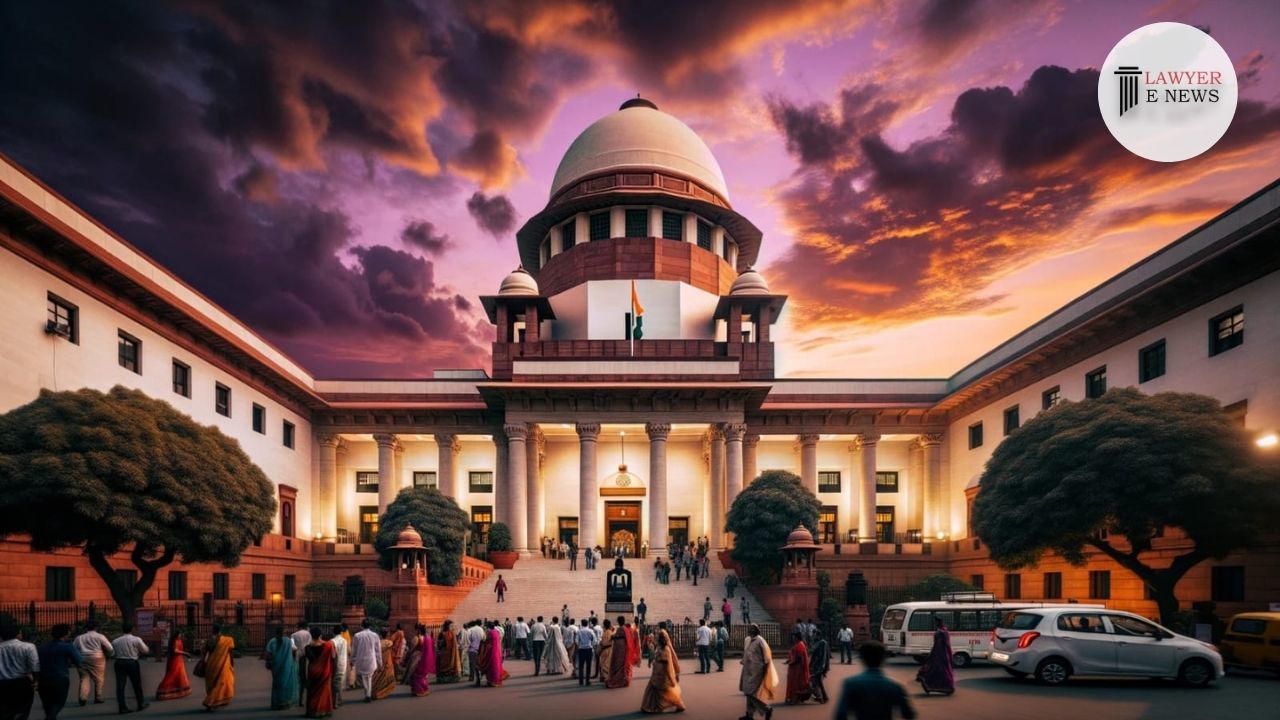
In a significant judgment, the Supreme Court of India emphasized the importance of timely and member-inclusive reforms within the Supreme Court Bar Association (SCBA). Addressing issues regarding SCBA governance, elections, and membership criteria, the Court observed, “The norms, eligibility conditions, membership fee structure etc., cannot remain static for decades and timely reforms to meet with the challenges that may confront the institution from time to time, are required to be carried out.”
The judgment arose from the failure of certain resolutions proposed during the SCBA Special General Body Meeting held on 30th April 2024. These included changes to eligibility criteria for office bearers, modifications in membership fees, and the introduction of minimum reservation quotas for women in the SCBA Executive Committee. All proposed resolutions failed to secure the required two-thirds majority vote, prompting judicial review.
The Supreme Court thoroughly reviewed the SCBA’s proposed changes and the broader implications for governance within the Bar. The Justices, Hon’ble Mr. Justice Surya Kant and Hon’ble Mr. Justice K.V. Viswanathan, provided a structured response to each issue:
Reform Proposals: The Court acknowledged the need for updating SCBA’s rules and procedures to stay relevant and effective but highlighted the necessity for these changes to be widely accepted and member-driven.
Election Process: Specific directions were issued for the upcoming SCBA elections, scheduled for 16th May 2024, ensuring an inclusive and updated voter list and establishing a senior advocate-led Election Committee to oversee the process.
Women’s Reservation: In a progressive move, the Court mandated a minimum reservation for women, stating, “Some of the posts in the Executive Committee must be reserved for women members of the Bar,” setting specific quotas for various committee roles.
Engagement and Transparency: The Court ordered the SCBA Executive Committee to invite and compile suggestions for reforms from its members by 19th July 2024, demonstrating a commitment to transparency and member engagement in the reform process.
Decision Concluding its decision, the Supreme Court mandated the SCBA to undertake a detailed and transparent reform process, involving the suggestions and active participation of its members. The decision ensures not only the responsiveness of SCBA governance structures to the needs of its members but also strengthens the democratic ethos within the institution.
Date of Decision: 2nd May 2024
Supreme Court Bar Association vs B.D. Kaushik