-
by sayum
02 October 2026 8:27 AM







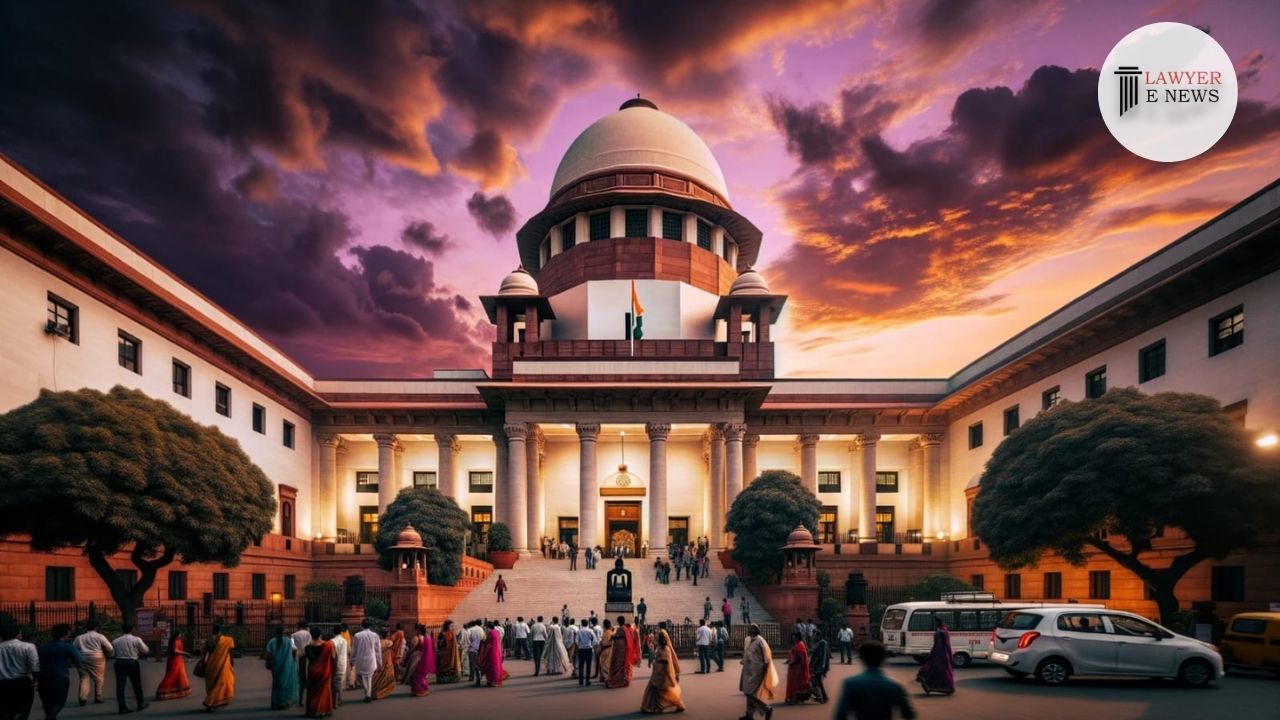
In a significant decision, the Supreme Court of India quashed the criminal proceedings against the accused in a forgery case, citing the larger interest of the parties involved. The bench comprising Justices M.R. Shah and Krishna Murari emphasized the importance of amicable resolution in family disputes and ordered the return of the withdrawn funds to the complainant. The judgment, delivered on March 24, 2023, sets a precedent for addressing similar cases in the future.
The case revolved around allegations of forgery concerning disputed signatures on a joint bank account. The accused, Hemantbhai Balvantbhai Patel and another person, were charged with forging the complainant's signature and subsequently withdrawing a substantial sum from the account. Despite efforts for an amicable resolution, the dispute remained unresolved, leading to the criminal proceedings.
During the proceedings, the appellants presented a Forensic Science Laboratory (FSL) report that supported their claim, suggesting a match between the disputed signatures and the complainant's genuine signatures on other documents. The appellants expressed their willingness to return the entire amount to the complainant, with the aim of restoring cordial relations within the family.
Considering the relationship between the parties involved and the failure of previous courts to discharge the accused, the Supreme Court formed a prima facie opinion favoring the quashing of the criminal proceedings. Justice M.R. Shah, delivering the judgment, stated, "To continue the criminal proceedings against the appellants would not be in the larger interest of the parties." The court also took into account the report of the FSL and the disputed documents, further strengthening its decision to quash the proceedings against the appellants.
In line with the court's ruling, the appellants were ordered to return the withdrawn amount, along with 12% simple interest, to the complainant within one week. Furthermore, the criminal proceedings against the complainant, arising from a separate FIR filed by the appellants, were also quashed to foster cordial relations among the family members.
By invoking Article 142 of the Indian Constitution, the court exercised its powers to achieve a just resolution in the best interest of all parties involved. The decision will serve as a guiding principle in similar cases, emphasizing the importance of reconciliation and harmony within families.
Date of Decision: March 24, 2023
Hemantbhai Balvantbhai Patel and Another vs The State of Gujarat and Another