-
by sayum
02 October 2026 8:27 AM







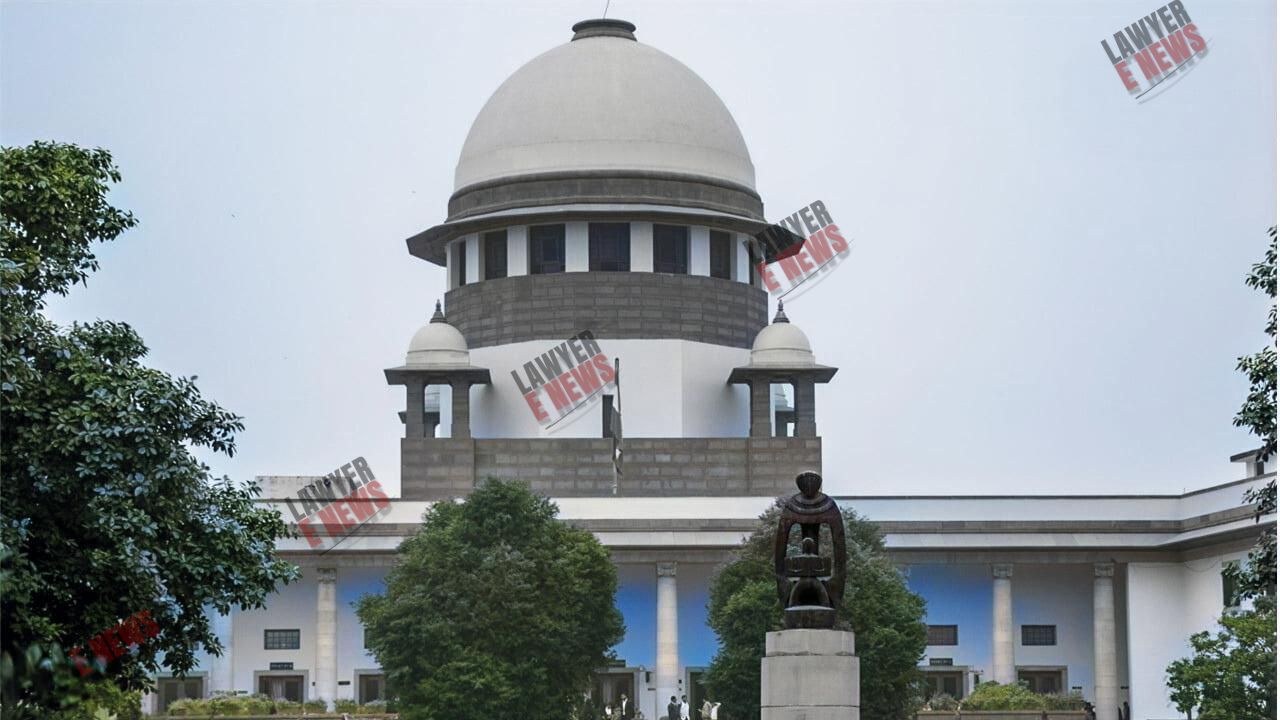
In a significant ruling, the Supreme Court of India expunged adverse remarks made by the High Court during the bail proceedings of a police officer, emphasizing the importance of caution and fairness in judicial remarks. The bench, comprising Justices Krishna Murari and Ahsanuddin Amanullah, held that passing adverse remarks without proper justification can harm the reputation of individuals and prejudice their trials. The court's decision also set aside a direction issued by the High Court to seek reports against an unconnected party, highlighting the need to confine jurisdiction to relevant matters. The judgment, which has far-reaching implications, underscores the court's commitment to protect the rights and reputation of individuals involved in legal proceedings.
"The courts must exercise caution and restraint while passing adverse remarks, particularly when the accused is not a party to the case. Unjustified and unreasonable remarks can cause great harm and prejudice to the accused," stated the bench in its ruling.
The case pertained to three criminal appeals arising from adverse remarks made by the High Court during the bail proceedings of a police officer accused of bribery. The appellants, including a senior IPS officer, sought the expungement of the adverse remarks and challenged the High Court's direction to seek reports against them.
The Supreme Court, citing previous judgments, emphasized that bail proceedings only establish a prima facie view of the case's merits and should not lead to unwarranted adverse remarks. It further highlighted the need to confine the court's jurisdiction to relevant issues and parties.
The bench stated, "A court's jurisdiction should not extend to unrelated matters or parties, particularly when it concerns bail proceedings. Passing remarks and directions outside the scope of the case can have far-reaching consequences and adversely affect individuals' rights."
The court's ruling brings relief to the appellants, expunging the adverse remarks made against them and setting aside the direction to seek reports. The decision reaffirms the judiciary's commitment to maintaining fairness, protecting reputations, and upholding the principles of justice.
Date of Decision: March 21, 2023
SEEMANT KUMAR SINGH vs MAHESH PS & ORS.