-
by sayum
03 October 2026 9:56 AM







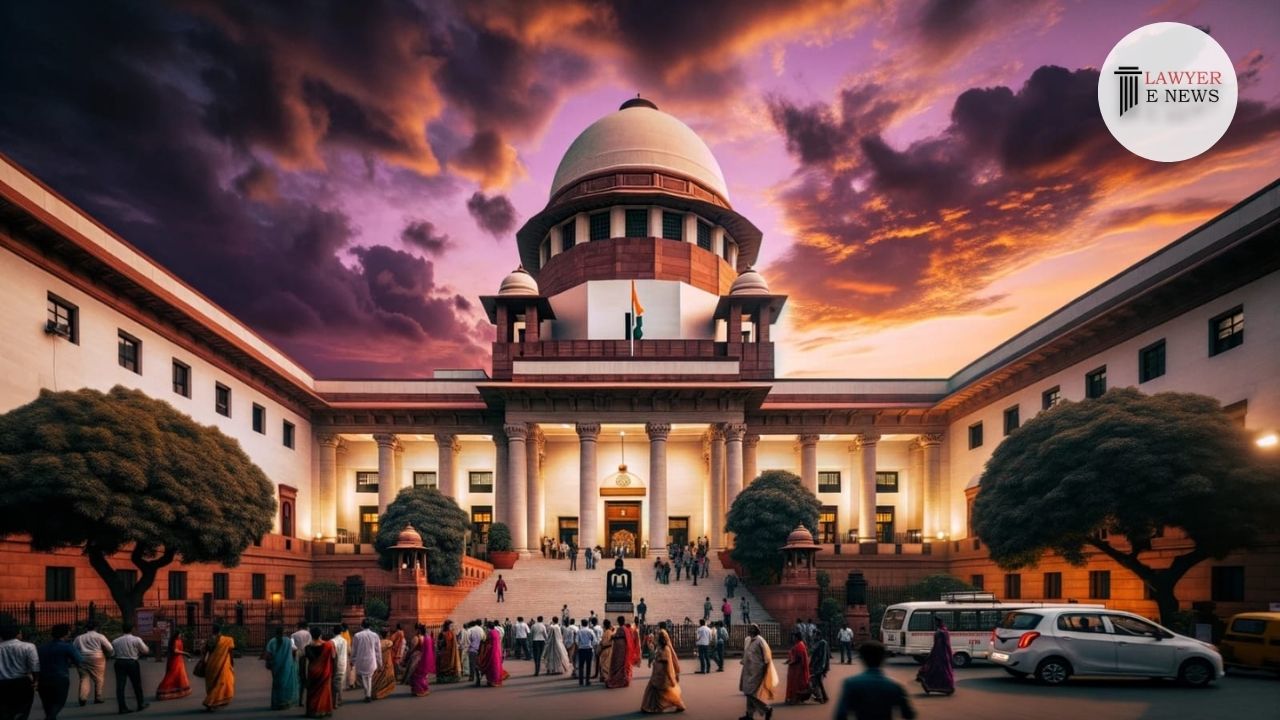
Supreme Court of India has made significant strides towards addressing the longstanding issue of vacancies and infrastructural deficits in the judiciary of various states. The judgment, delivered on 30th November 2023, in Civil Appeal No. 1867/2006, focuses on the states of Jharkhand, Karnataka, and Kerala.
The apex court, comprising the Chief Justice, Hon’ble Mr. Justice J.B. Pardiwala, and Hon’ble Mr. Justice Manoj Misra, underscored the urgency of filling judicial vacancies and improving court infrastructure. The court observed, “The timely filling of vacancies and enhancement of infrastructure is not just an administrative necessity but a constitutional obligation to ensure the right to speedy justice.”
In Jharkhand, the court ordered the notification and commencement of recruitment for 18 vacancies for Direct Recruitment of District Judges and 12 vacancies in the Limited Competitive Examination. The court also emphasized the need for expediting the construction of court halls and facilities, calling for a high-level meeting involving state officials and the High Court’s Building Committee.
Turning its attention to Karnataka, the Supreme Court noted that 19 vacancies for District Judges and 107 for Civil Judges (Junior Division) needed urgent filling. The court also highlighted infrastructure concerns, including pending proposals and ongoing construction, necessitating immediate action from the state government.
Regarding Kerala, the court expressed satisfaction with the ongoing recruitment processes but stressed the importance of their completion within the stipulated timelines. Additionally, the court directed the resolution of issues related to the NOC from the Jail Department affecting court center operations.
This judgment comes as a response to the chronic understaffing and infrastructure shortcomings in the Indian judiciary, which have been impediments to the timely dispensation of justice. The Supreme Court’s directives are expected to significantly impact the efficiency and effectiveness of the judicial process in these states, ultimately contributing to the broader goal of ensuring justice for all.
The judgment, while focusing on administrative aspects, sends a strong message about the judiciary’s commitment to upholding the constitutional mandate of delivering timely justice. As the court poignantly remarked, “Efficient judiciary is the cornerstone of a robust legal system, and our efforts today are a step towards strengthening this foundation.” The decision has been widely welcomed by legal experts and is seen as a pivotal moment in judicial administration in India.
Date of Order: 30-11-2023
MALIK MAZHAR SULTAN & ANR. VS U.P. PUBLIC SERVICE COMMISSION THROUGH ITS SECRETARY & ORS