-
by sayum
03 October 2026 9:56 AM







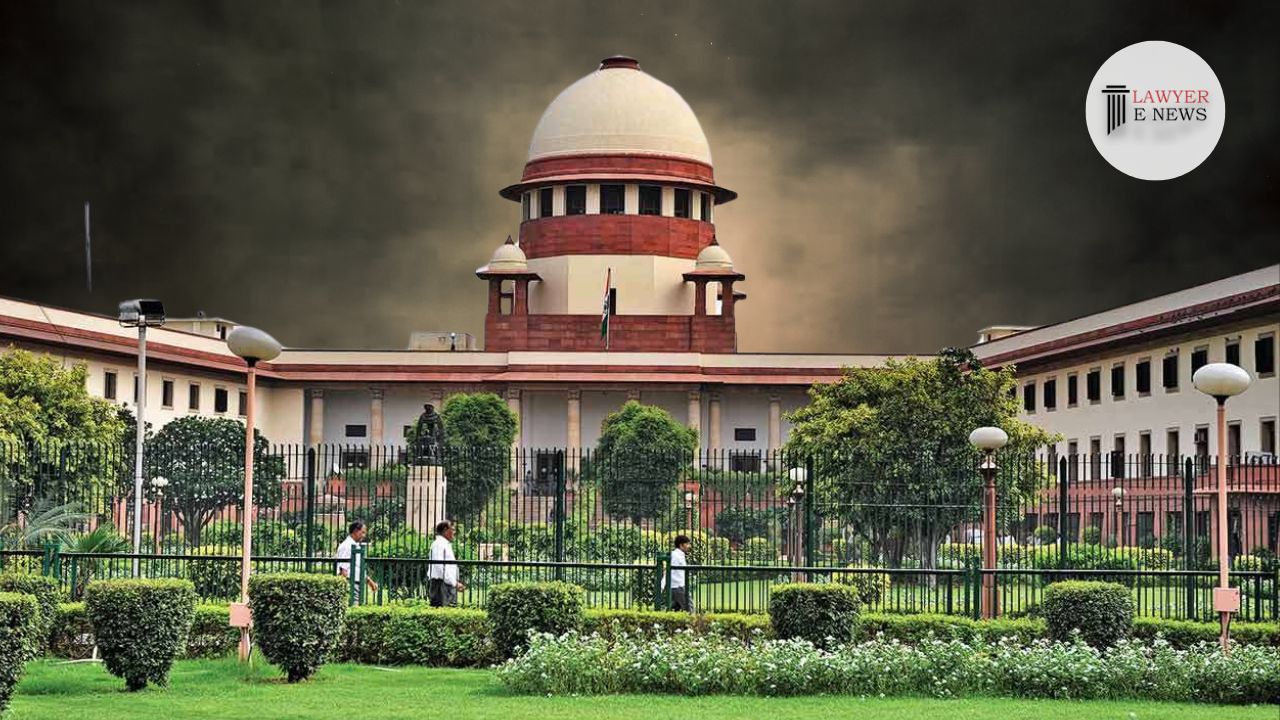
The Supreme Court of India has granted protection against arrest to Akhil Gogoi, a sitting member of the Assam Legislative Assembly, who is named as accused No. 1 in a criminal case. The case is related to alleged offences punishable under Sections 120B, 124A, 153A and 153B of the Indian Penal Code, 1860 read with Sections 18 and 39 of The Unlawful Activities (Prevention) Act, 1967.
Mr. Gogoi was arrested on December 17, 2019, and a chargesheet was filed on May 29, 2020. His bail application was rejected by the Special Court on August 7, 2020, and the challenge to the same before the High Court, as well as the Supreme Court, proved unsuccessful.
However, the Special Court (NIA) discharged Mr. Gogoi on July 1, 2021. As a result, he was released after being incarcerated for about 567 days. The National Investigation Agency (NIA) preferred an appeal before the Gauhati High Court, challenging the order of discharge. The High Court allowed the appeal, and the judgment of the Special Court was reversed.
Mr. Gogoi approached the Supreme Court through a Special Leave Petition (SLP) challenging the High Court's judgment. However, before hearing his plea, the Supreme Court ordered notice for a limited purpose to consider granting him protection against arrest. The Court then heard arguments on the matter of protection against arrest, and finally granted him protection against arrest and detention in connection with the case.
The Court noted that Mr. Gogoi had suffered incarceration for about 567 days, and since his release on July 1, 2021, he had been a free man for more than 21 months. His freedom was secured not by an order of bail, but by an order of discharge passed by the Special Court. The Court also noted that the offences under the Indian Penal Code alleged against Mr. Gogoi were punishable only with imprisonment for a period of up to three years.
Supreme Court held that Mr. Gogoi was entitled to be protected against arrest and detention in connection with the case. The Special Leave Petition was disposed of, confirming the High Court's judgment in all respects, but directing the release of Mr. Gogoi on bail, pending trial, subject to such terms and conditions as may be imposed by the Special Court (NIA) Guwahati.
Counsel: Huzefa Ahmadi, learned senior counsel for the petitioner; Tushar Mehta, learned Solicitor General and Ms. Aishwarya Bhati, learned Additional Solicitor General for the respondents.
AKHIL GOGOI VS THE STATE (NATIONAL INVESTIGATION AGENCY) & ORS.