
-
by sayum
22 October 2026 4:10 PM







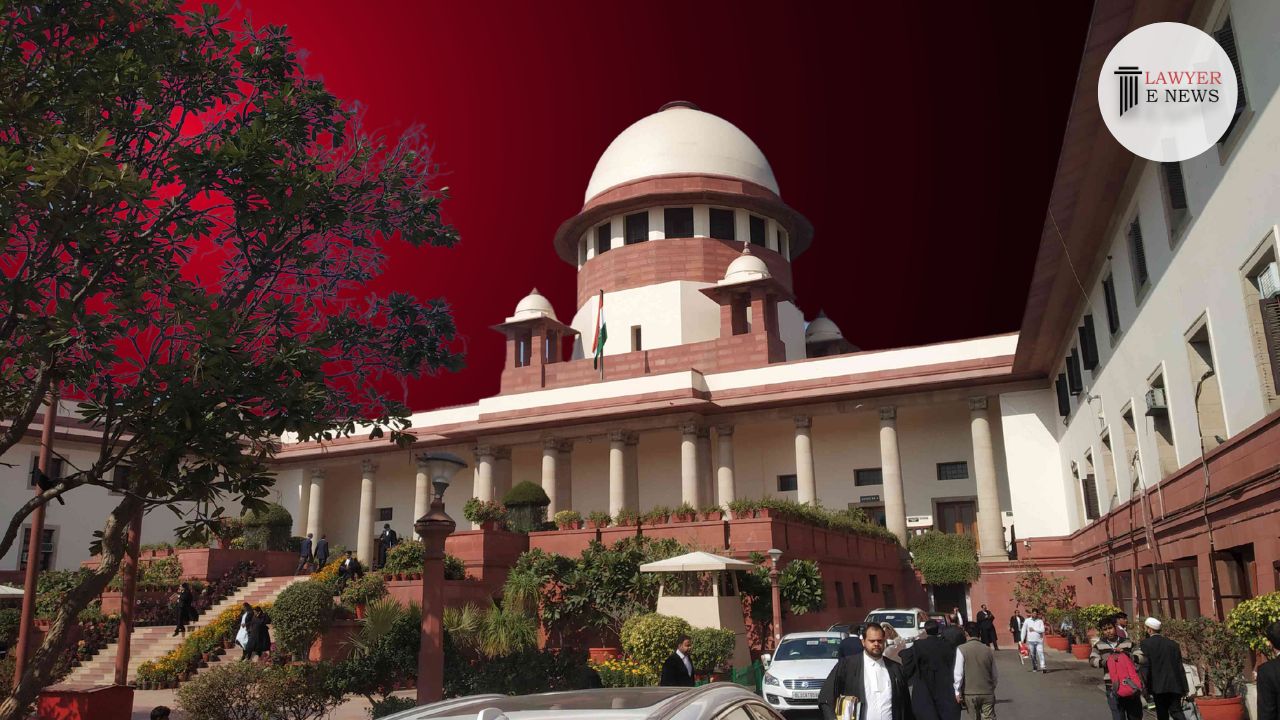
In a recent order, the Supreme Court of India granted bail to Sajid Khan, the petitioner in a case related to dowry death. The Court emphasized the importance of an expedited trial and the protection of witnesses. The bench, comprising of Hon'ble Mr. Justice Surya Kant and Hon'ble Mr. Justice Dipankar Datta, passed the order today.
The petitioner, Sajid Khan, had sought enlargement on bail in connection with FIR No.285/2021 registered at Police Station Kho-Nagoriya, Jaipur City, which alleged offenses under Sections 498-A and 304-B of the Indian Penal Code. The case pertained to the unnatural death of Khan's wife, Tazruma, within seven months of marriage. The deceased's parents had alleged that she was subjected to mental torture and dowry demands by Khan and his parents.
The Supreme Court noted that while the trial was ongoing, a significant number of witnesses, including private witnesses, had already been examined. Out of 30 witnesses, 19 had been examined, with all private witnesses having testified. The Court expressed its concern about the possibility of harassment to certain witnesses, particularly the sister of the deceased, who resided with Khan's family.
"In the peculiar facts and circumstances of this case, we also direct the Trial Court to make an endeavor to conclude the trial expeditiously," the Court observed. The judges underscored the importance of completing the trial swiftly while granting bail to Khan. The Court also directed Khan to stay outside Jaipur City except for court appearances, aiming to mitigate potential influence on witnesses.
Khan's bail had been initially granted by the High Court but was later set aside by the Supreme Court. The Court's order today highlighted the necessity of considering bail after substantial examination of vital witnesses.
The Supreme Court's decision has been seen as a balancing act between the accused's right to personal liberty and the need to ensure a fair trial. Legal experts have praised the Court's focus on the timely conclusion of proceedings and safeguarding the integrity of witness testimonies.
The special leave petition for bail has been disposed of by the Supreme Court, with the petitioner granted bail subject to certain conditions. The Court's order also directed the Trial Court to expedite the trial process. The decision has drawn attention to the complexities of cases involving serious charges and the delicate balance between personal liberty and ensuring justice.
Date of Decision: 14-08-2023
SAJID KHAN vs STATE OF RAJASTHAN & ANR