-
by sayum
17 August 2026 3:17 PM







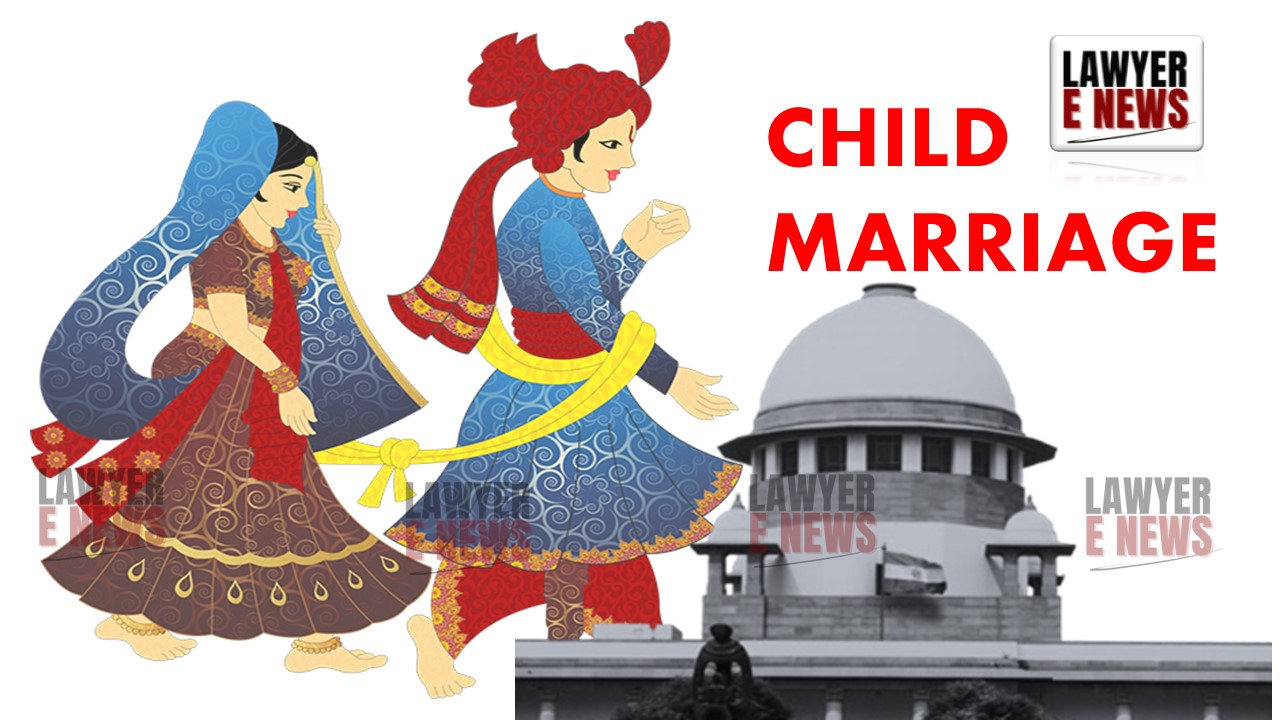
Magistrates must proactively issue preventive injunctions to halt child marriages, especially during mass wedding ceremonies. In a landmark judgment on October 18, 2024, the Supreme Court of India empowered magistrates to take suo motu action to prevent child marriages under the Prohibition of Child Marriage Act (PCMA), 2006. This ruling was part of a comprehensive set of guidelines issued in the case of Society for Enlightenment and Voluntary Action & Anr. v. Union of India & Ors., where the Court addressed the urgent need to strengthen enforcement mechanisms against child marriages across the country.
"Magistrates should not wait for complaints; they are empowered to act on credible information or even suspicion to stop child marriages."
The Supreme Court directed all magistrates vested with authority under Section 13 of the PCMA to take proactive steps to prevent the solemnization of child marriages, including issuing suo motu injunctions when necessary. The Court emphasized that magistrates should focus particularly on "auspicious days," known for mass weddings, when the risk of child marriages is highest.
The suo motu empowerment allows magistrates to act independently, even without a formal complaint, to prevent imminent child marriages. This proactive approach aims to close the enforcement gap, ensuring that judicial authorities can intervene before the marriage takes place, rather than only addressing the issue after the fact.
The Court highlighted that child marriages often occur during public or mass wedding ceremonies, making it difficult for authorities to intervene in real-time. By granting magistrates the power to issue preventive injunctions, the Court aims to ensure immediate action is taken to stop such ceremonies from proceeding. This directive reinforces the role of the judiciary in preventing harm before it occurs, aligning with the Court's broader objective of shifting focus from penalizing to preventing child marriages.
"Magistrates must be particularly vigilant during mass weddings, using their judicial powers to issue preventive orders and protect children's rights."
The Supreme Court’s ruling empowering magistrates to take suo motu action is a major step towards ensuring stricter enforcement of child marriage laws in India. This proactive judicial measure is designed to prevent marriages before they occur, reinforcing the legal protection for children and furthering the country’s commitment to ending child marriage.
Date of Decision:October 18, 2024.
Society for Enlightenment and Voluntary Action & Anr. v. Union of India & Ors.