
-
by sayum
22 October 2026 4:10 PM







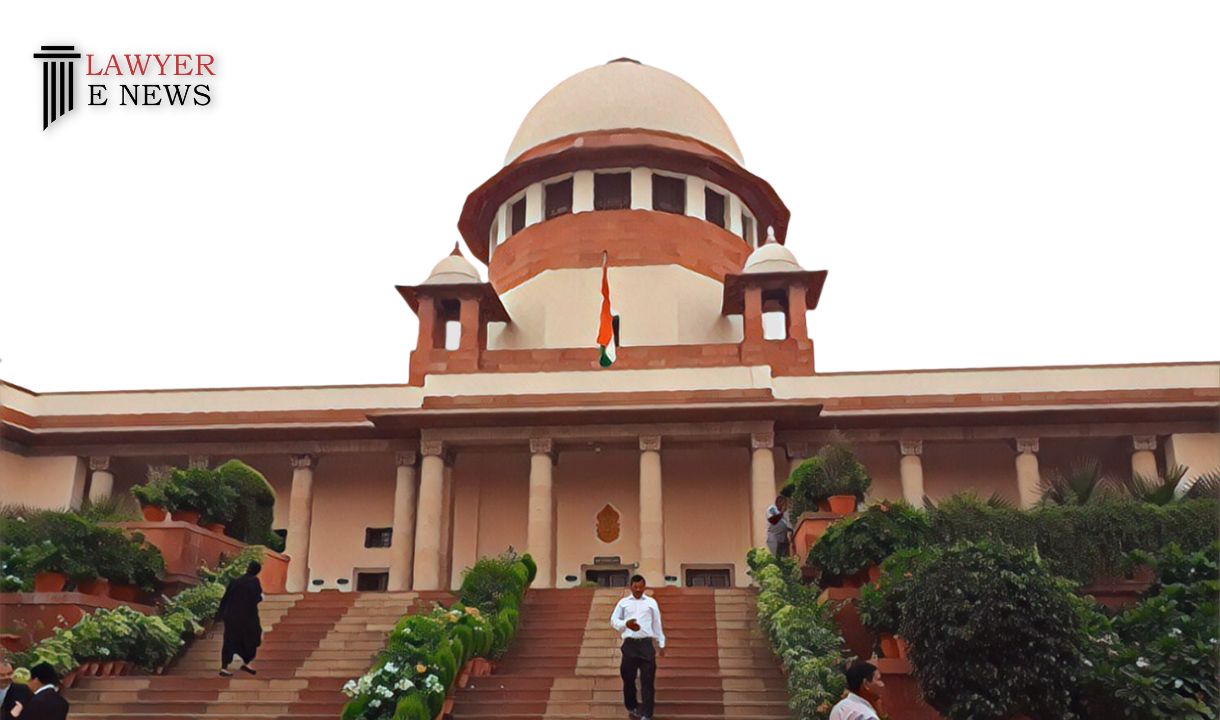
On 2 August 2023, In a significant ruling, the Supreme Court of India acquitted the appellants, Avtar Singh and Sohan Lal, in a Criminal Appeal (No. 1050 of 2013) challenging their convictions and sentencing under Sections 342 and 376(2)(g) of the Indian Penal Code (IPC). The judgment, delivered by Justice Hima Kohli and Justice Rajesh Bindal, highlighted various discrepancies in the prosecution’s version and pointed out the lack of evidence connecting the appellants to the alleged crime.
The case revolved around the alleged rape and abduction of the prosecutrix, whose version of events implicated Avtar Singh, Sohan Lal, and Gian Singh. However, the trial court had earlier acquitted Gian Singh, which the Supreme Court noted as breaking the chain of events presented by the prosecution.
Citing the medical examination report, the Court found no external or internal injuries on the prosecutrix’s body, discrediting her claim of repeated rape over multiple days. The Court further disregarded the appellants’ alibi claim without any reason and highlighted the lack of scientific evidence linking semen stains on clothes to the accused.
Justice Rajesh Bindal, in his judgment, emphasized the need for credible evidence, stating, “There was no evidence brought on record to connect the present appellants with the offence.” Justice Hima Kohli also noted the material discrepancies in the statements of the prosecutrix and her mother, undermining the credibility of the prosecution’s case.
The Court concluded that the findings of the trial court were ”completely perverse” and allowed the appeal, setting aside the convictions of Avtar Singh and Sohan Lal. The appellants were acquitted of all charges, and their bail bonds were discharged.
This landmark judgment reaffirms the importance of credible evidence and the need for a rigorous examination of the prosecution’s version in criminal cases.
Date of Decision: August 2, 2023
Avtar Singh & Anr. vs State of Punjab