CBI Can’t Prosecute When Bank Suffers No Loss: Andhra Pradesh High Court Discharges Bhimavaram Hospitals Directors in ₹1.5 Crore SBI Case Section 256 CrPC Cannot Be A Shield For An Accused Who Never Faced Trial: Allahabad High Court Restores 8 Cheque Bounce Complaints Minimum Wages Cannot Be Ignored While Determining Just Compensation: Andhra Pradesh High Court Re-Fixes Income of Deceased Mason, Enhances Interest to 7.5% 34 IPC | Common Intention Is Inferred From Manner Of Attack, Weapons Carried And Concerted Conduct: Allahabad High Court Last Date of Section 4 Publication Is Crucial—Error in Date Cannot Depress Market Value: Bombay High Court Enhances Compensation in Beed Land Acquisition Appeals Order 26 Rule 10-A CPC | Rarest of Rare: When a Mother Denies Her Own Child: Rajasthan High Court Orders DNA Test to Decide Maternity Acquittal Is Not a Passport Back to Uniform: Punjab & Haryana High Court Upholds Dismissal of Constable in NDPS Case Despite Trial Court Verdict Limitation Under Section 468 Cr.P.C. Cannot Be Ignored — But Section 473 Keeps the Door Open in the Interest of Justice: P&H HC Non-Stamping Renders A Document Inadmissible, Not Void – Defect Is Curable Once Duty Is Paid: Punjab & Haryana High Court Upholds Specific Performance MP High Court Upholds Ladli Behna Yojana Criteria; Rules Registration Deadlines and Age Limits Fall Under Executive Domain Criminal Courts Are Not Recovery Agents: Orissa High Court Grants Bail in ₹3.5 Crore Land Fraud Cases Citing Article 21 and Terminal Illness Employee Cannot Switch Cadre At His Sweet Will After Accepting Promotion: J&K High Court Rejects Claim For Retrospective Assistant Registrar Appointment Anticipatory Bail Cannot Expire With Charge-Sheet: Supreme Court Reiterates Liberty Is Not Bound by Procedural Milestones Order II Rule 2 Cannot Eclipse Amendment Power Under Order VI Rule 17: MP High Court Refuses to Stall Will-Based Title Suit Grounds of Arrest Must Be Personal, Not Formal – But Detailed Allegations Suffice: Kerala High Court Upholds Arrest in Sabarimala Gold Misappropriation Case Grounds of Arrest Are Not a Ritual – They Are a Constitutional Mandate Under Article 22(1): Allahabad High Court Sets Aside Arrest for Non-Supply of Written Grounds Sect. 25 NDPS | Mere Ownership Cannot Fasten NDPS Liability – ‘Knowingly Permits’ Must Be Proved Beyond Reasonable Doubt: MP High Court Section 308 CrPC | Revocation of Pardon Is Not Automatic on Prosecutor’s Certificate: Karnataka High Court Joint Family and Ancestral Property Are Alien to Mohammedan Law: Gujarat High Court Sets Aside Injunction Right to Health Cannot Wait for Endless Consultations: Supreme Court Pulls Up FSSAI Over Delay in Front-of-Pack Warning Labels If A Son Dies Intestate Leaving Wife And Children, The Mother Has No Share: Karnataka High Court

Sub-Judge Got Bail in Rape Case - J&K HC

07 May 2024 8:19 AM

By: Admin


In October 2021, a fast track court in Jammu convicted Sub-Judge Rajesh Kumar Abrol of violating Sections 420 (cheating) and 376 (rape) of the Ranbir Penal Code (RPC).

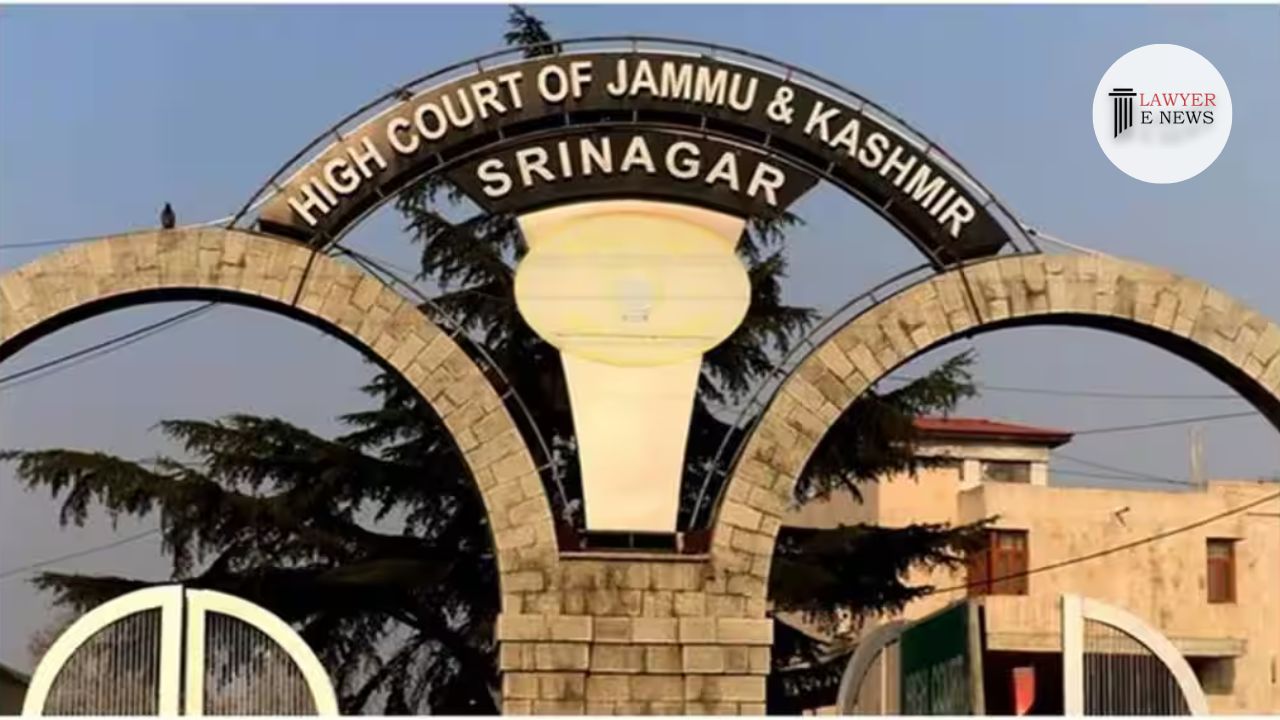
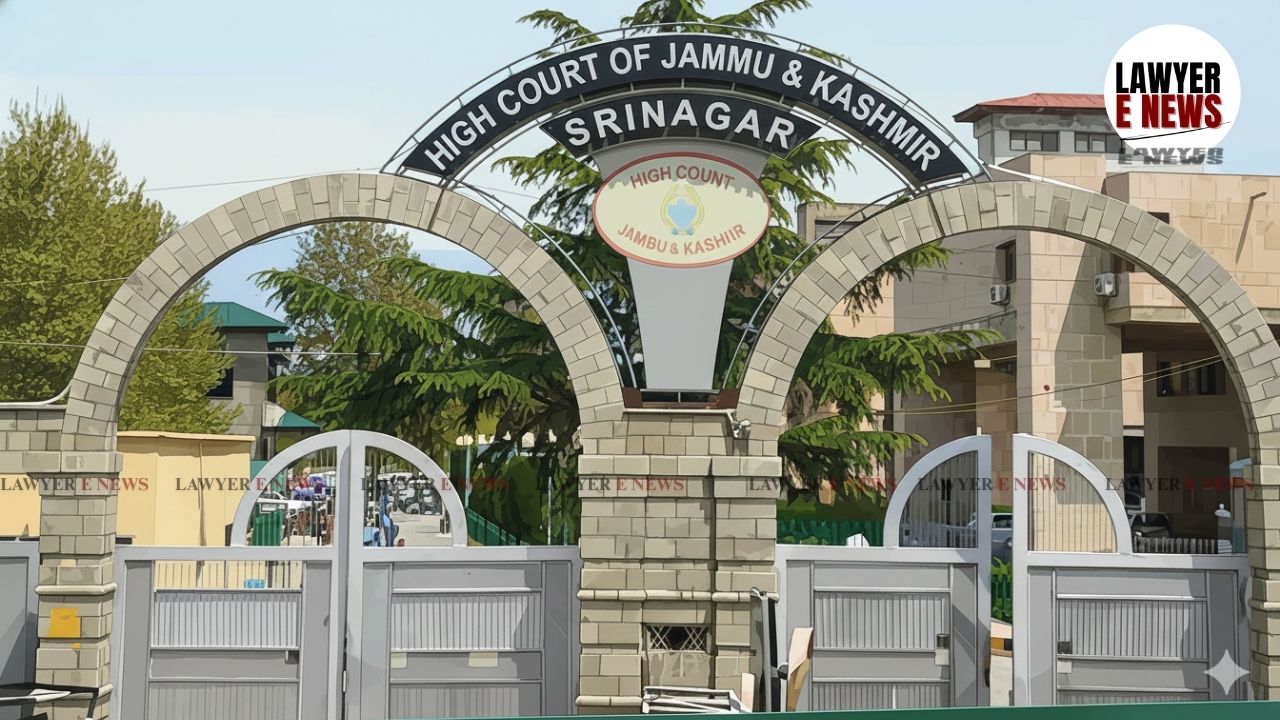
The High Court of Jammu & Kashmir and Ladakh has granted bail to sub-judge Rajesh Kumar Abrol (appellant), who was convicted by a fast track court in Jammu in 2018 for raping and cheating a woman who had sought his legal assistance

The High Court was hearing an appeal against a fast track court's October 2021 judgement convicting and sentencing Abrol to ten years in prison for rape (Section 420 of the Criminal Procedure Act) and cheating (Section 376 RPC).

According to the prosecution, the victim, a resident of the Ramban district, met Abrol while she was defending herself in court. Abrol, a judge, promised legal assistance and requested domestic support from her. Having a child to support, the woman began working in the home of Abrol, who also promised her daughter a better education. The accused promised to pay her a monthly salary of 5,000. The appellant ended the victim's marriage to her husband by procuring a notarized divorce decree. Later, when Abrol learned that she was planning to leave his home, he pleaded with her to remain, placed Maang on her forehead, and assured her that she would henceforth be his wife.He also disclosed that he had divorced his wife and had been living alone for the past seven years. By these actions, the defendant obtained the victim's consent to engage in sexual activity with her. She yielded to his pressure without disclosing it to anyone.

According to the prosecution, after one year of marriage to Abrol, the woman discovered that he had betrayed her, as he was already married to another woman, his second wife, following the dissolution of his first marriage.

The trial court stated in its order of conviction that there was a complete chain of events and facts indicating that the accused committed the crime, and that all the circumstances brought to light and established were consistent with the accused's guilt and inconsistent with his innocence.

On appeal, Abrol's attorney argued that the request for suspension of sentence and bail should be liberally considered unless there is a statutory restriction.The Additional Advocate General opposed the appeal on the grounds that the appellant ruined the survivor's life under the guise of marriage and therefore does not merit leniency.

After examining the opposing arguments, the High Court determined that there is no statutory restriction or prohibition against suspending the appellant's sentence and releasing him on bail. Therefore, the court suspended Abrol's sentence and granted him bail.

D.D:30.05.2022

Rajesh Kumar Abrol V/s  UT of J&K

Latest Legal News