-
by sayum
26 August 2026 9:49 AM







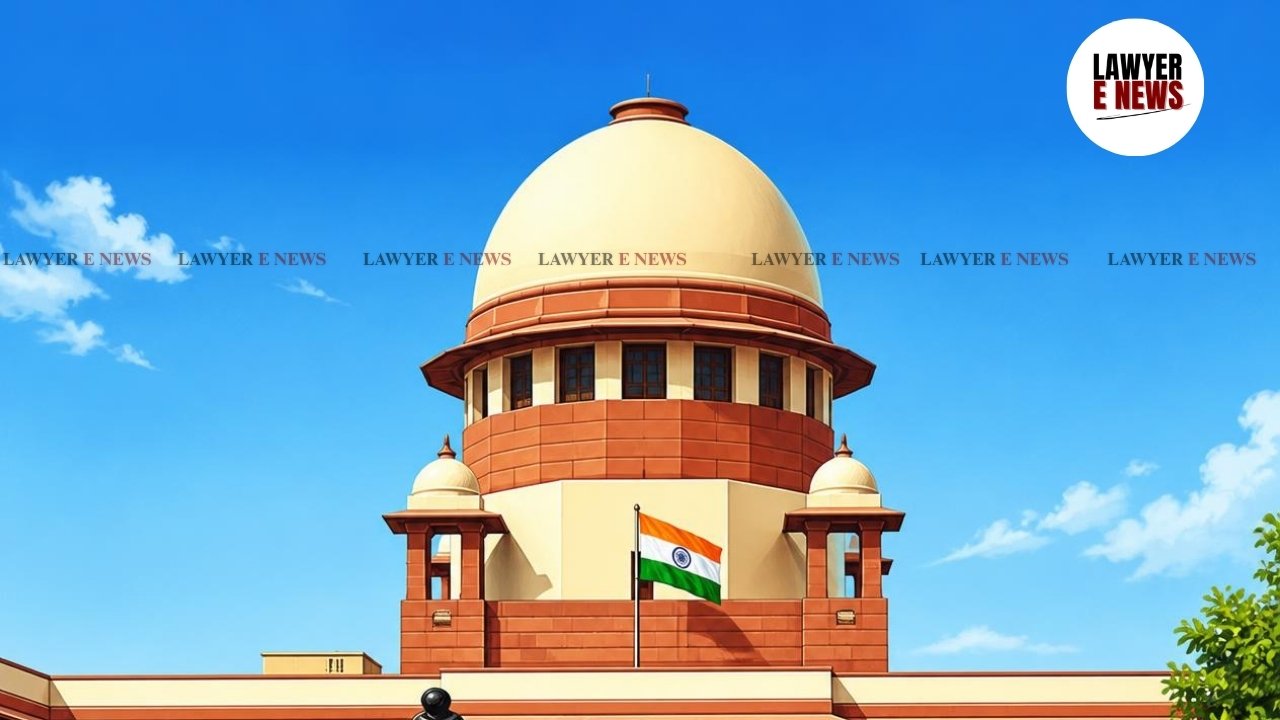
"This is a welfare State, and a welfare State that has, for decades... taken the benefit of the labour, skill, and continuous attendance of the appellants, cannot in fairness and good conscience now cast them aside on the strength of an internal file infirmity of its own creation." Supreme Court, in a significant ruling dated August 04, 2026, held that the State cannot deny regularisation to long-serving temporary employees on the basis of internal procedural flaws or file infirmities of its own creation after extracting labour from them for decades.
A bench of Justices Sanjay Karol and Nongmeikapam Kotiswar Singh observed that a welfare State, acting as a model employer, cannot be permitted to approbate the benefit of long, uninterrupted service while reprobate the commitment that induced and sustained it.
Genesis of the PWD Labour Supply Society
The appellants were originally engaged between 1967 and 2003 through private contractors executing works for the Public Works Department of the Government of Goa. To eradicate contract labour exploitation, the State constituted the PWD Labour Supply Society, headed by the Principal Chief Engineer. Cabinet-approved measures eventually led to the grant of temporary status to 1,399 members with parity in pay and emoluments, culminating in a formal 2014 government order recognising their entitlement to absorption against future vacancies.
Question of Legality Under Umadevi Framework
The primary question before the court was whether long-serving temporary employees engaged through a State-backed society are entitled to one-time regularisation under the Constitution Bench ruling in State of Karnataka v. Umadevi. The court was also called upon to determine whether the State can subsequently defeat such claims by pleading that initial engagements lacked open competitive processes or that executive orders lacked formal Finance Department concurrence.
State Cannot Resile From Solemn Assurances "State's Conduct Reflects Consistent Intention"
The bench noted that the PWD Labour Supply Society was not an ordinary private contractor arrangement, but a creature of the State established to formalise regularisation. The collective weight of Cabinet decisions, committee scrutinies, and the conferral of temporary status manifested a clear and abiding governmental intention to absorb these workers.
"Technical Deficiencies Cannot Prejudice Workers"
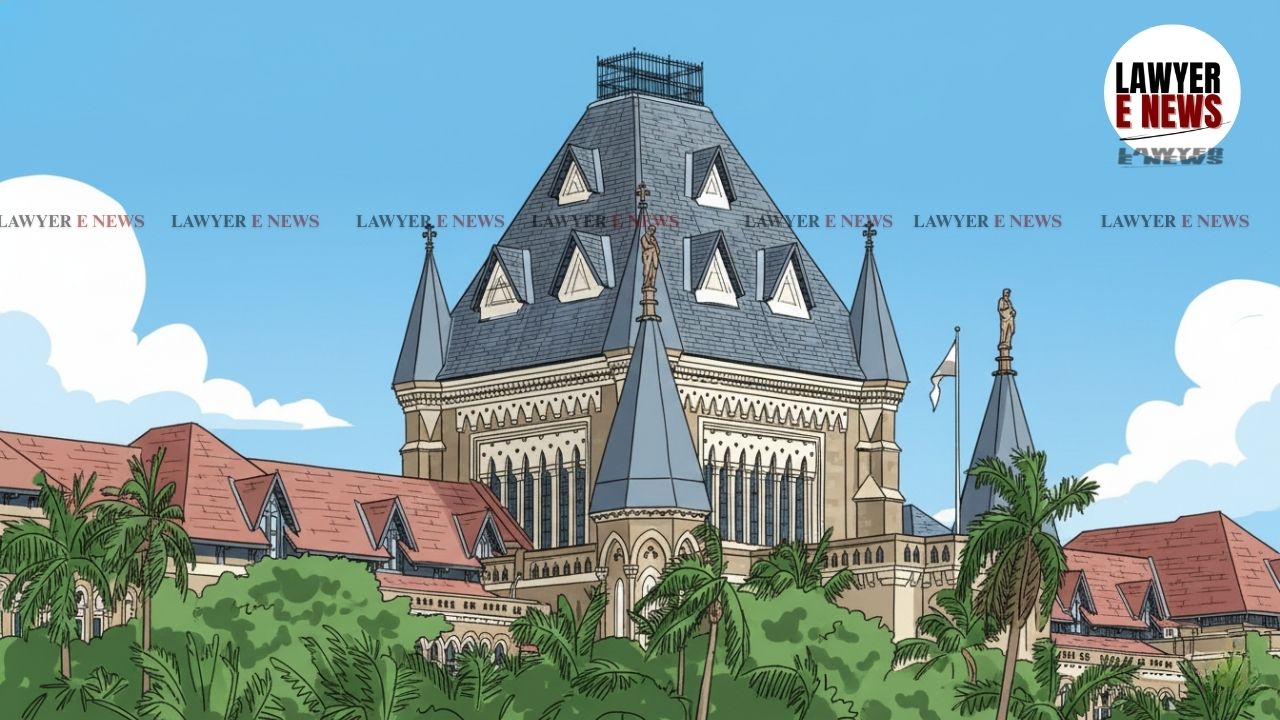
Addressing the State's contention that the 2014 temporary status order lacked formal concurrence under Article 166 of the Constitution, the court held that the State cannot rely on internal file infirmities never disclosed to the appellants. The order had earlier been placed before the Bombay High Court in 2006 proceedings to dispose of a trade union petition based on the Advocate General's statement, creating a legitimate expectation that the State was bound to honour.
Umadevi Does Not Bar Fair Regularisation Schemes "Distinction Between Illegal and Irregular Appointments"
The court reiterated that the landmark Constitution Bench ruling in State of Karnataka v. Umadevi (2006) 4 SCC 1 was directed against backdoor illegal entries and does not strip the executive of its power to frame regularisation schemes for long-serving temporary personnel performing essential and perennial duties. Referring to precedents such as State of J&K v. Distt. Bar Assn., Bandipora (2017) 3 SCC 410, Sheo Narain Nagar v. State of U.P. (2018) 13 SCC 432, Jaggo v. Union of India, and Shripal v. Nagar Nigam, Ghaziabad, the bench stressed that Umadevi cannot be deployed as a shield to perpetuate exploitative engagements.
"Exploitation Disguised As Temporary Employment"
The court observed that the appellants' engagements squarely fell within the one-time measure contemplated by paragraph 53 of Umadevi, as they were not clandestine backdoor entries but the outcome of a structured administrative process. Denying regularisation after utilizing workers for decades amounts to perpetuating the exact form of exploitation that the PWD Labour Supply Society was created to prevent.
Directions for Creation of Supernumerary Posts "Relief Confined To Named Claimants"
Dismissing the State's floodgates argument, the court clarified that granting relief to identified claimants whose facts have been fully scrutinized does not open unmanageable administrative burdens. The bench set aside the Bombay High Court's judgment and directed the State of Goa to frame an appropriate scheme within four months to regularise the appellants.
"Mandate For Supernumerary Post Creation"
The court ordered that if sufficient sanctioned vacancies are unavailable, the State must create supernumerary posts on a one-to-one basis to absorb the workers. These supernumerary posts will be personal to the incumbents, automatically abolished upon their retirement, resignation, or death, and not treated as cadre additions. Regularisation was granted with effect from February 09, 2021—the date of instituting Writ Petition No. 95 of 2021—entitling them to seniority, pensionary, and retiral benefits, though monetary arrears of pay were restricted from the date of the judgment.
In conclusion, the Supreme Court firmly reiterated that public sector entities must uphold the highest standards of fairness, equity, and the model employer doctrine, ensuring that long-standing temporary workers are not arbitrarily cast aside on technicalities after rendering decades of service.
Date of Decision: 04 August 2026