-
by sayum
06 October 2026 12:13 PM







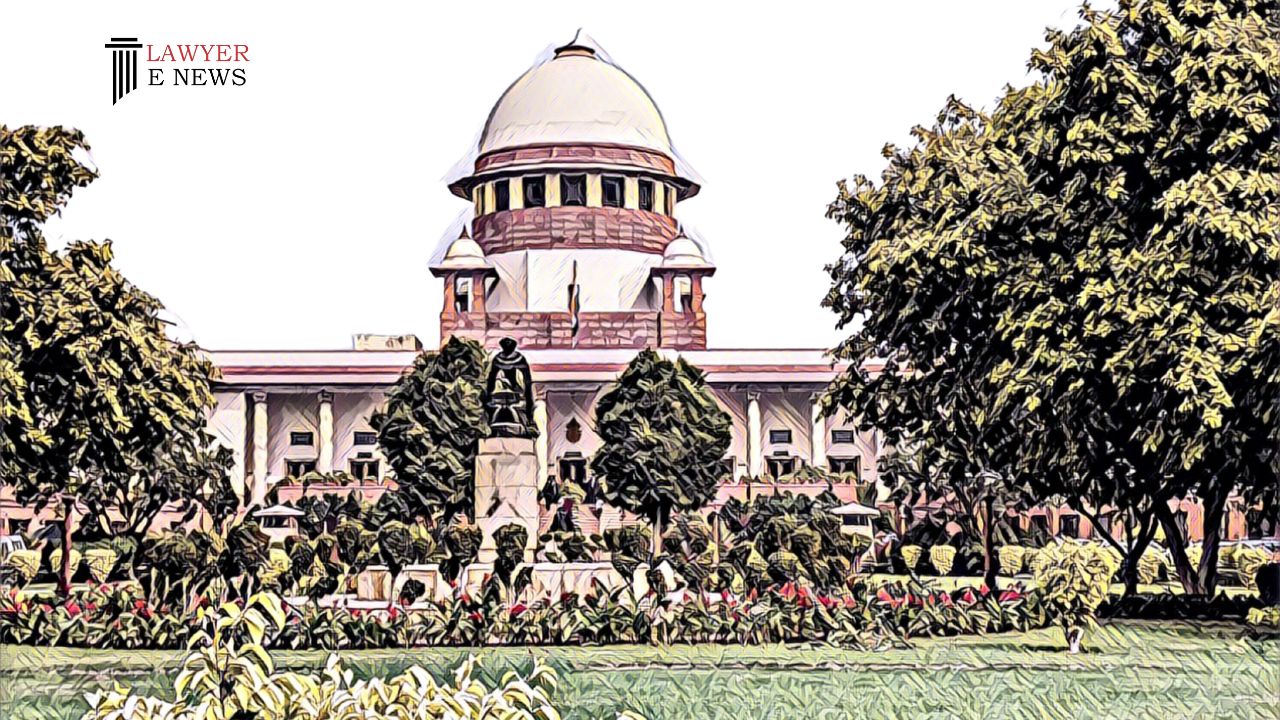
In a significant ruling, the Supreme Court has set aside the bail orders granted by the High Court to two accused in a brutal daylight murder, stressing the seriousness of the crime and the conduct of the accused. The apex court's decision underscores the necessity of considering the gravity of the offense and the influence of the accused on the local community, which resulted in an atmosphere of fear and the closure of local markets.
The judgment revolves around a grievous incident that occurred on January 2, 2022, involving the murder of Jitendra Singh by Vivek Pal and Punit Pal. The accused faced multiple charges under the Indian Penal Code (IPC), including murder and criminal conspiracy, highlighting the planned and violent nature of the attack.
The FIR detailed a violent assault where the accused, armed with lethal weapons, attacked the victim in broad daylight, leading to his death from severe head injuries. This incident had a chilling effect on the locality, with the market closing for ten days post-incident, illustrating the accused's significant local influence.
The Supreme Court meticulously reviewed the High Court's decision to grant bail and found several issues with its exercise of discretion. The Court referenced key precedents that dictate the careful consideration needed in bail decisions, especially in cases involving grave crimes and potential community impact.
The Court highlighted that the assault was premeditated and carried out in public, leading to the death of the victim. This act not only ended a life but also instilled fear within the community, impacting public order and local business operations.
The accused's influence was evident from the immediate shutdown of local markets after the incident. Additionally, there were allegations of the accused threatening witnesses, which could impede the judicial process.
The Supreme Court pointed out that the High Court failed to appropriately weigh the serious nature of the offense and the conduct of the accused against the judicial principles governing bail.
Concluding its assessment, the Supreme Court canceled the bail previously granted to Vivek Pal and Punit Pal, ordering their immediate custody. The decision mandates their return to jail and calls for an expeditious trial, ideally to be concluded within a year.
Date of Decision: April 19, 2024,
Ramayan Singh vs. The State of Uttar Pradesh & Anr.