Consensual Relationship That Later Turns Sour Is Not Rape: Andhra Pradesh High Court Grants Bail in Breach of Promise Case Double Presumption of Innocence Applies; No Interference Unless Trial Court Judgment Is Perverse: Allahabad High Court in Murder Appeal Under BNSS A Single Act of Corruption Warrants Dismissal – 32 Years of Service Offers No Immunity: Punjab & Haryana High Court Upholds ASI’s Removal Suit Against Trustee Without Charity Commissioner’s Consent Is Statutorily Barred: Bombay High Court Government Can't Deny Implied Surrender After Refusing to Accept Possession: Madras HC Clarifies Scope of Section 111(f) of TP Act Custodial Interrogation Must Prevail Over Pre-Arrest Comfort in Hate Speech Cases: Punjab & Haryana High Court Denies Anticipatory Bail for Provocative Remarks Against Migrants Mutation Order Without Notice Cannot Stand in Law: Orissa High Court Quashes Tahasildar's Rejection for Violating Natural Justice Cruelty Must Be Grave and Proven – Mere Allegations of Disobedience or Demand for Separate Residence Don’t Justify Divorce: Jharkhand High Court Rejects Husband’s Divorce Appeal Retaliatory Prosecution Cannot Override Liberty: Himachal Pradesh High Court Grants Bail in PMLA Case Post CBI Trap of ED Officer Illegal Remand Without Production of Accused Is Not a Technical Lapse, But a Constitutional Breach: Andhra Pradesh High Court Grants Bail in Major NDPS Case Inherent Power Under Section 528 BNSS Not a Substitute for Article 226 When FIR Is Under Challenge Without Chargesheet or Cognizance Order: Allahabad High Court Possession Without Title Is Legally Insubstantial: Gujarat HC Dismisses Appeal By Dairy Cooperative Over Void Land Transfer You Can Prosecute a Former Director, But You Can’t Force Him to Represent the Company: Calcutta High Court Lays Down Clear Limits on Corporate Representation in PMLA Cases Conviction Cannot Rest on Tainted Testimony of Injured Witnesses in Isolation: Bombay High Court Acquits Five in Murder Case One Attesting Witness is Sufficient if He Proves Execution and Attestation of Will as Required by Law: AP High Court Land Acquisition | Delay Cannot Defeat Just Compensation: P&H High Court Grants Enhanced Compensation Despite 12-Year Delay in Review Petitions by Landowners Allegations Implausible, Motivated by Malice: Kerala High Court Quashes Rape Case After Finding Abuse Claims a Counterblast to Civil Dispute Adoptions Under Hindu Law Need No Approval from District Magistrate: Madras High Court Declares Administrative Rejection of Adoptive Birth Certificate as Illegal

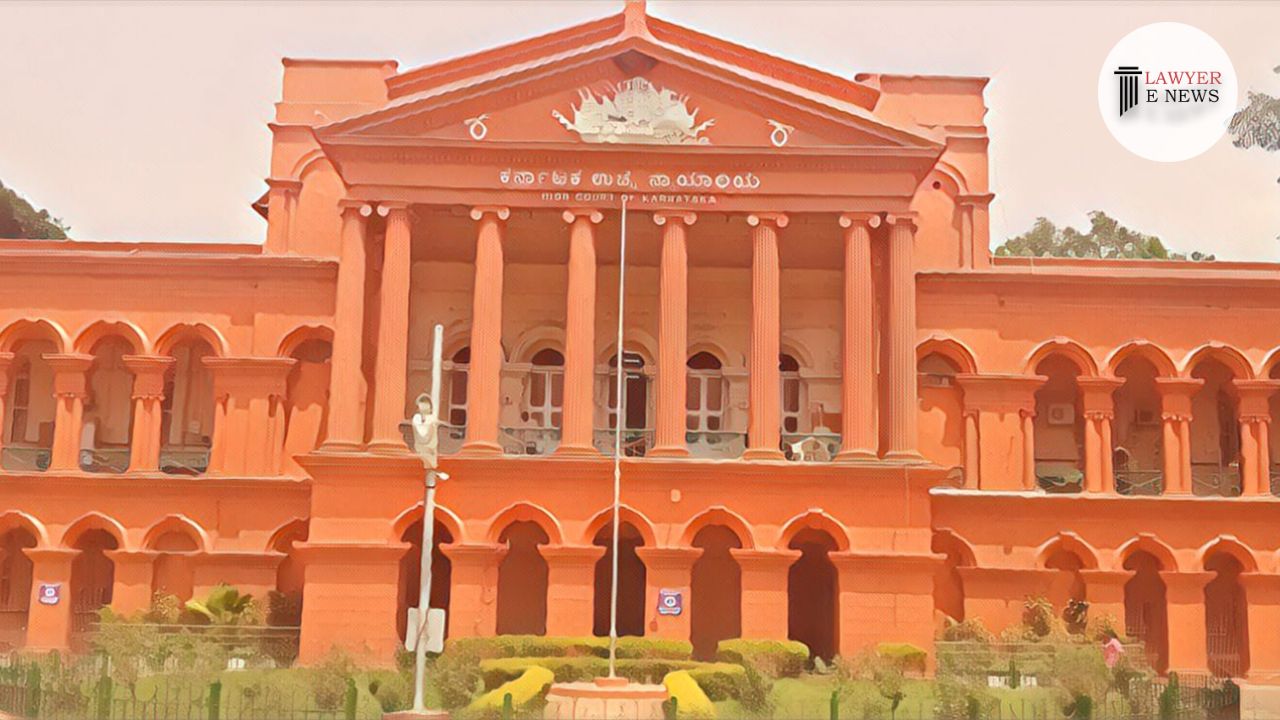
Refused To Quash FIR Against Advocates: In District Judge Application Case: Karnataka HC

07 May 2024 8:19 AM

By: Admin


In a significant ruling, the Karnataka High Court has dismissed a criminal petition seeking to quash proceedings in the charge sheet filed against an advocate for allegedly furnishing false information in his application for the post of District Judge.

Justice M. Nagaprasanna, presiding over the matter, emphasized the gravity of the accusation, stating, “The petitioner has deliberately suppressed the cases that were pending against him, therefore, it amounts to seeking to secure employment on account of misrepresentation.” This statement underlines the court’s stringent stance on maintaining honesty and integrity in the judicial selection process.

The case (Criminal Petition No.1644 of 2022) involved the petitioner, an advocate by profession, who was accused of failing to disclose his involvement in past criminal and civil proceedings while applying for the District Judge position. The court observed that such non-disclosure, especially by a practicing lawyer with substantial experience, cannot be overlooked.

The judgment went further to clarify the interpretation of Section 420 of the IPC, relating to cheating, in the context of judicial appointments. The court highlighted, “In cases where fraud and misrepresentation form the foundation for securing employment, can in a given case, be brought under the umbrella of the ingredients of cheating.”

In dismissing the petition, the court reinforced the critical nature of transparency and truthfulness in applications for judicial positions. The judgment serves as a precedent, emphasizing the high ethical standards expected from legal practitioners and the serious consequences of any deviation.

Justice Nagaprasanna also clarified that the observations made in the order are solely for the consideration of the case under Section 482 of the Cr.P.C., and should not influence any ongoing proceedings against the petitioner.

Date of Decision: 18th November 2023

SRI PALAKSHA S.S. VS THE STATE BY VIDHANA SOUDHA P.S.



Latest Legal News