-
by sayum
04 August 2026 1:39 PM







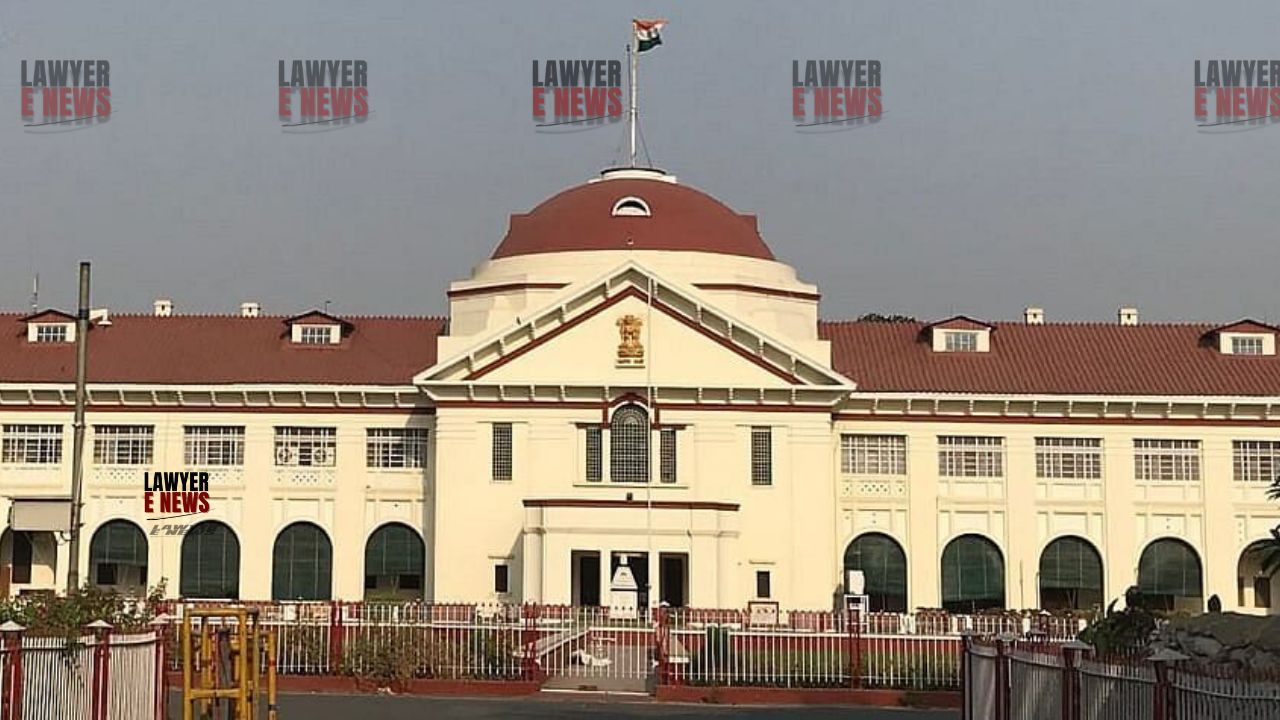
“Possession of tainted currency without proving demand and acceptance cannot result in conviction — demand is the heart of the offence under the PC Act” – In a significant reaffirmation of established legal principles on corruption jurisprudence, the Patna High Court set aside the conviction of a former Circle Officer and Head Clerk, who had been accused of accepting a ₹10,000 bribe in connection with a land dispute. Justice Rajiv Roy held that mere recovery of bribe money does not establish guilt unless the prosecution proves the foundational facts of demand and voluntary acceptance.
The Court declared, “Demand and acceptance are not mere technicalities — they are the sine qua non for corruption offences. If that chain is broken, no presumption can arise under Section 20 of the Prevention of Corruption Act.”
The prosecution alleged that the appellant, Sultan Ahmad (then Circle Officer), had demanded a bribe of ₹10,000 from a complainant, Priya Sharma, for facilitating recovery of allotted government land. The Vigilance Bureau laid a trap and claimed to have caught him accepting the bribe, following which he and a co-accused Head Clerk were convicted under Sections 7 and 13(2) read with 13(1)(d) of the Prevention of Corruption Act, and Section 12 for abetment. Both were sentenced to one year of imprisonment and fines.
However, the High Court found the entire case “procedurally defective, factually inconsistent, and legally unsustainable.” Justice Roy noted that “the conviction cannot stand merely because currency notes were found in the accused’s possession”, especially when the prosecution failed to prove the most essential element: the existence of a prior demand.
The Court scrutinized the complainant’s statements and found them riddled with inconsistencies. Justice Roy observed, “The complainant herself denied having any pending civil litigation, while records show Title Suit No. 170/2011 was instituted and her vakalatnama bore her signature. Such contradictions strike at the root of credibility.”
Further, Justice Roy took strong exception to the prosecution’s failure to examine the crucial trap witnesses who allegedly caught the officer red-handed. “The two constables who were part of the trap team were never examined. Their absence leaves a gaping hole in the evidentiary chain,” the Court remarked.
On the absence of genuine independent witnesses, the Court said, “The so-called neutral witnesses were from the complainant’s village and were never produced in court. This not only questions their impartiality but makes the recovery itself highly doubtful.”
The judgment leaned heavily on the Supreme Court’s ruling in Madan Lal v. State of Rajasthan, reiterating, “If demand is not proved, the entire case must collapse. The presumption under Section 20 can never be automatic—it must be triggered by proof of initial demand and voluntary payment.”
The Court also highlighted the disturbing pattern of using criminal law to pressurize officers into resolving civil disputes, stating, “The present matter is nothing but a veiled attempt to bypass civil proceedings through a fabricated criminal complaint.”
In unequivocal terms, the Patna High Court dismantled the prosecution’s case as a classic example of misuse of anti-corruption laws. By acquitting the accused officers, the Court sent a strong message that vigilance operations must adhere strictly to legal safeguards, and that the judiciary will not allow convictions based on procedural shortcuts and presumptive guilt.
Justice Roy concluded with a cautionary note: “The law demands more than theatrics. It demands truth established through credible evidence and lawful procedure. Anything less is a miscarriage of justice.”
Date of Decision: 15th April 2025