-
by sayum
03 October 2026 9:56 AM







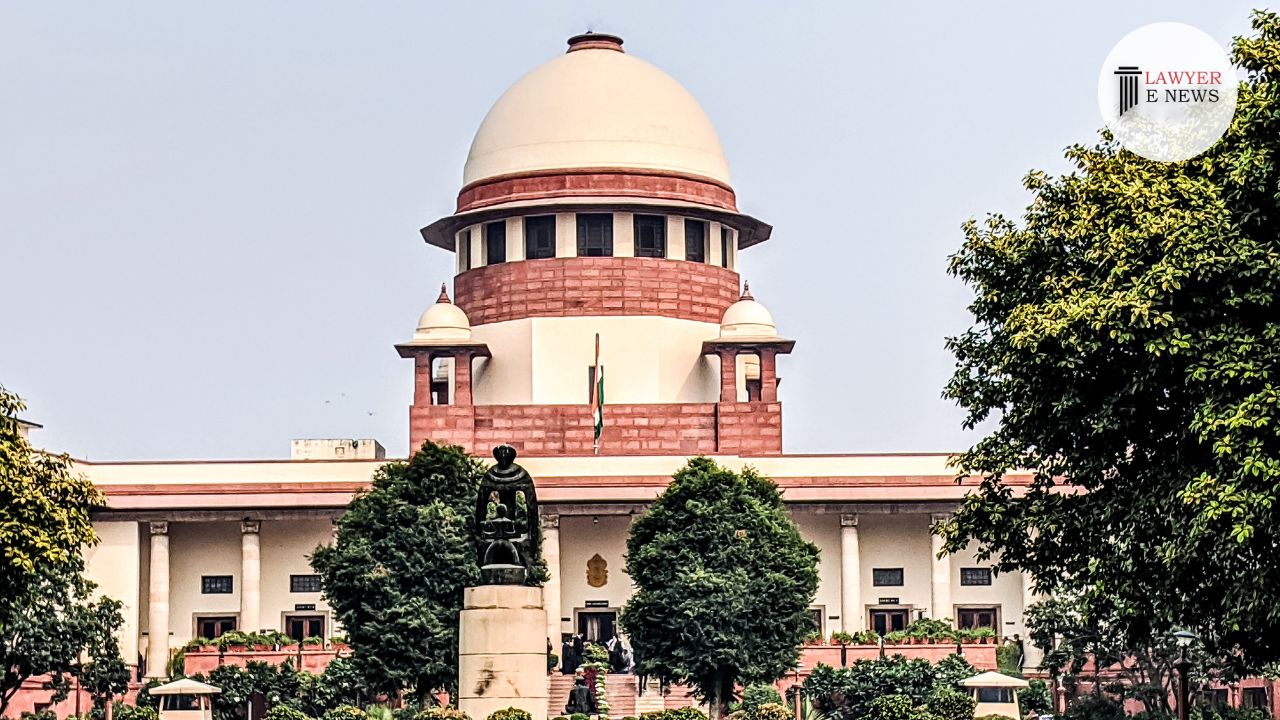
In a significant judgment, the Supreme Court of India upheld the decision of the Bombay High Court in the case of Sayunkta Sangarsh Samiti & Anr. vs The State of Maharashtra & Ors., emphasizing the statutory authority of the Slum Rehabilitation Authority (SRA) in the allotment process under slum rehabilitation schemes.
The appellants had challenged the High Court's dismissal of their writ petition, which contested the SRA's allotment methods in the redevelopment of slums in Mumbai’s Lower Parel Division. The primary contention revolved around an MoU between a minority group of slum dwellers and a developer, which was not in line with the standard procedures of the SRA.
In their ruling, the Supreme Court bench comprising Justices Aniruddha Bose and Sudhanshu Dhulia stated, "Private agreements cannot be enforced in Slum Rehabilitation Schemes as against the statutory mandate of the SRA." This observation highlights the court’s stance that individual or private agreements cannot override public policy and legal statutes, particularly in matters concerning welfare and redevelopment.
The judgment further reinforced the legal provisions for allotment under the Development Control Regulations (DCR) 1991 and Circular No. 162, dated 23.10.2015, mandating a lottery system for the allotment of rehabilitation tenements. The court emphasized the need for fairness and compliance with legal norms in the allotment process.
The apex court dismissed the appeal and upheld the High Court's decision, directing the SRA to carry out the allotment of flats in accordance with the law. It also vacated the order of status quo on the allotment of flats granted earlier by the court.
This decision is a significant affirmation of the statutory powers of the SRA and serves as a precedent in ensuring that slum redevelopment schemes are carried out in accordance with established legal procedures, safeguarding the rights and interests of slum dwellers. The court's ruling also serves as a caution against attempts to bypass statutory procedures, emphasizing the role of legal norms over private arrangements in public welfare projects.
Date of Decision: 15th December 2023
Sayunkta Sangarsh Samiti & Anr. VS State of Maharashtra & Ors.