-
by sayum
28 August 2026 2:11 PM







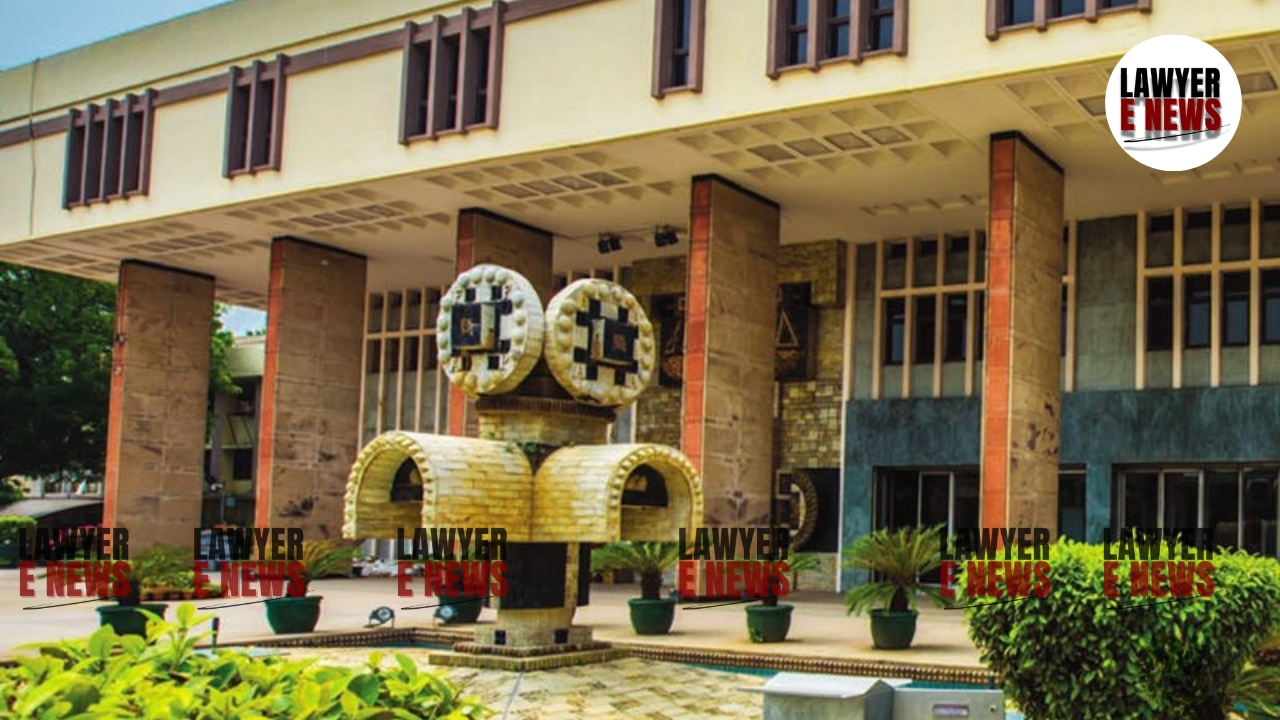
"The plea of alibi had to be proved with absolute certainty so as to completely exclude the possibility of the presence of the appellant in the rented premises at the relevant time. When a plea of alibi is raised by an accused it is for the accused to establish the said plea by positive evidence," Delhi High Court, in a significant judgment, affirmed the life imprisonment of a woman and her tenant for the murder of her husband, observing that the chain of circumstantial evidence, including the "last seen" theory and the motive of an illicit relationship, was complete.
A bench of Justice Navin Chawla and Justice Ravinder Dudeja held that the prosecution had successfully established an unbroken chain of events that pointed unerringly toward the guilt of the accused.
The case originated from the discovery of Inder Kumar Singh’s body, strangled with a rope in his Delhi residence in October 2002. The prosecution alleged that Singh’s wife, Meera, and their tenant, Ajay Singh, were involved in an extra-marital affair and murdered the deceased to continue their relationship. The trial court convicted them under Section 302 read with Section 34 of the IPC in 2004, prompting the present appeals.
The primary questions before the court were whether the circumstantial evidence met the high threshold required for conviction and whether the "last seen" evidence was sufficient. The court also examined the impact of the Investigating Officer’s failure to record the statements of the deceased's children and the validity of the plea of alibi raised by the wife.
Court Reiterates Five Golden Principles For Circumstantial Evidence
The court began its analysis by invoking the "Panchsheel" or five golden principles governing cases of circumstantial evidence as laid down by the Supreme Court in Sharad Birdhichand Sarda v. State of Maharashtra. It observed that for a conviction based on circumstances, the facts established must be consistent only with the hypothesis of the guilt of the accused and must exclude every possible hypothesis except the one sought to be proved.
"Last Seen" Theory Strengthened By Medical Evidence
The bench placed heavy reliance on the testimony of independent neighbours who saw both appellants leaving the house shortly before the body was discovered. The court noted that the appellants were seen leaving the premises between 4:00 PM and 4:30 PM on the day of the incident. This timeline closely aligned with the medical opinion, which estimated the time of death to be around 3:00 PM to 4:00 PM.
Court Explains Evidentiary Value Of "Last Seen" Circumstance
While acknowledging that it is not always prudent to base a conviction solely on the "last seen" theory, the court referred to the Supreme Court's ruling in Nizam & Anr. v. State of Rajasthan. It observed that in this case, the proximity of the time when the appellants were seen leaving the house and the discovery of the body with the door locked created a vital link that shifted the burden onto the accused to explain the circumstances of the death.
Illicit Relationship Proved As Cogent Motive For Murder
The High Court found that the prosecution had established a strong motive arising from the illicit relationship between the appellants. The testimony of the deceased’s brother, who had caught the appellants in a compromising position during Holi in 2002, was deemed credible. The court observed that such a relationship offered a plausible reason for the appellants to act in concert to eliminate the deceased.
> "The extra-marital affair of Meera with Ajay was the backbone of quarrel between Meera and the deceased... the existence of such a relationship offers a plausible reason for the commission of the offence."
Burden Of Proving Alibi Lies Heavily On Accused
The court rejected appellant Meera’s plea of alibi that she was at her parental home during the occurrence. Citing Shaikh Sattar v. State of Maharashtra, the bench held that a plea of alibi must be proved with absolute certainty so as to completely exclude the possibility of the presence of the accused at the spot. The court found her defense unconvincing as she could not explain her whereabouts between the incident and her arrest fifteen days later.
Absconding After Crime Indicates Consciousness Of Guilt
The conduct of the appellants after the incident was flagged as a significant incriminating circumstance. Both appellants were found to be absconding and were eventually apprehended together. The court noted that while absconding alone is not conclusive proof of guilt, when considered alongside other evidence, it demonstrates a "consciousness of guilt" and continued association between the co-accused.
Lapse In Investigation Not Fatal If Chain Of Circumstances Is Complete
The appellants argued that the non-examination of the deceased's children, who were present in the house, was a fatal flaw in the investigation. However, the court relied on Rajesh Yadav & Anr. v. State of U.P. to hold that every lapse in investigation does not necessarily vitiate the prosecution case. Since the defense also had the opportunity to produce the children as witnesses but chose not to, the court refused to draw an adverse inference against the prosecution.
Court Rejects Defense Of Property Dispute As Afterthought
The bench dismissed the defense theory that the husband was murdered by his own relatives over a property dispute. The court observed that since the property was already in Meera’s name, the husband’s death would not have benefited the in-laws. It concluded that the prosecution had woven a coherent narrative that excluded any reasonable doubt regarding the involvement of the wife and the tenant.
The High Court concluded that the conviction recorded by the Trial Court was based on proper appreciation of evidence without any perversity or illegality. Consequently, the appeals were dismissed, and the sentence of life imprisonment was affirmed. The appellants were directed to surrender before the Jail Superintendent within two weeks to undergo the remainder of their sentence.
Date of Decision: June 10, 2026