Trial Courts Must Award Just Compensation In POCSO Cases Beyond Fine Amounts; Interim Payment No Reason To Deny Final Relief: Madras High Court Section 482 CrPC Power Not For Conducting 'Mini-Trial'; Disputed Facts Must Be Adjudicated At Trial: Allahabad High Court Right To Walk On Demarcated Footpaths Is A Fundamental Right; Municipal Authorities Under Enforceable Duty To Provide Pedestrian Infrastructure: Supreme Court Right To Walk Is A Fundamental Right Under Articles 19(1)(d) & 21; Priority Over Motorised Vehicles: Supreme Court Municipal Commissioner Is Disciplinary Authority For All Employees Post-1993 Amendment; Existing Regulations Can't Fetter Statutory Power: Supreme Court High Court Cannot Force Plaintiff To Accept Monetary Compensation Instead Of Removal Of Encroachment Without Prayer: Supreme Court Recruitment Merit Is Not A Vested Right; Public Interest Justifies Disclosing Marks Of Candidates Outside Selection Zone: Supreme Court Special Police Establishment Not An 'Intelligence & Security Organisation', State Cannot Exempt It From RTI Act: Supreme Court Medical Practitioner Not Negligent Merely Because Result Was A Failure If Procedure Adopted Was Acceptable To Medical Science: Calcutta High Court Long Service Cannot Be Denied Regularization On Mere Technicalities If Appointment Wasn't Illegal: Andhra Pradesh High Court Rejection Of Nomination Paper Can Only Be Challenged Through Election Petition; Article 329(b) Bars Writ Jurisdiction: Supreme Court NI Act | Benefit Of Presumptions Under Sections 118 & 139 Not Available If Complainant Lacks Direct Knowledge Of Transaction: Kerala High Court Landowners Entitled To Solatium Under National Highways Act; Failure To Grant Is Ground To Challenge Award Under Section 34: MP High Court Transfer Policy Only Broad Guideline, Not Enforceable Under Article 226/227 In Absence Of Mala Fides: Rajasthan High Court

Petitioner Entitled to be Released on Interim Bail for One Week," Supreme Court Grants Relief to Convict for Daughter's Marriage Rituals

07 May 2024 8:19 AM

By: Admin


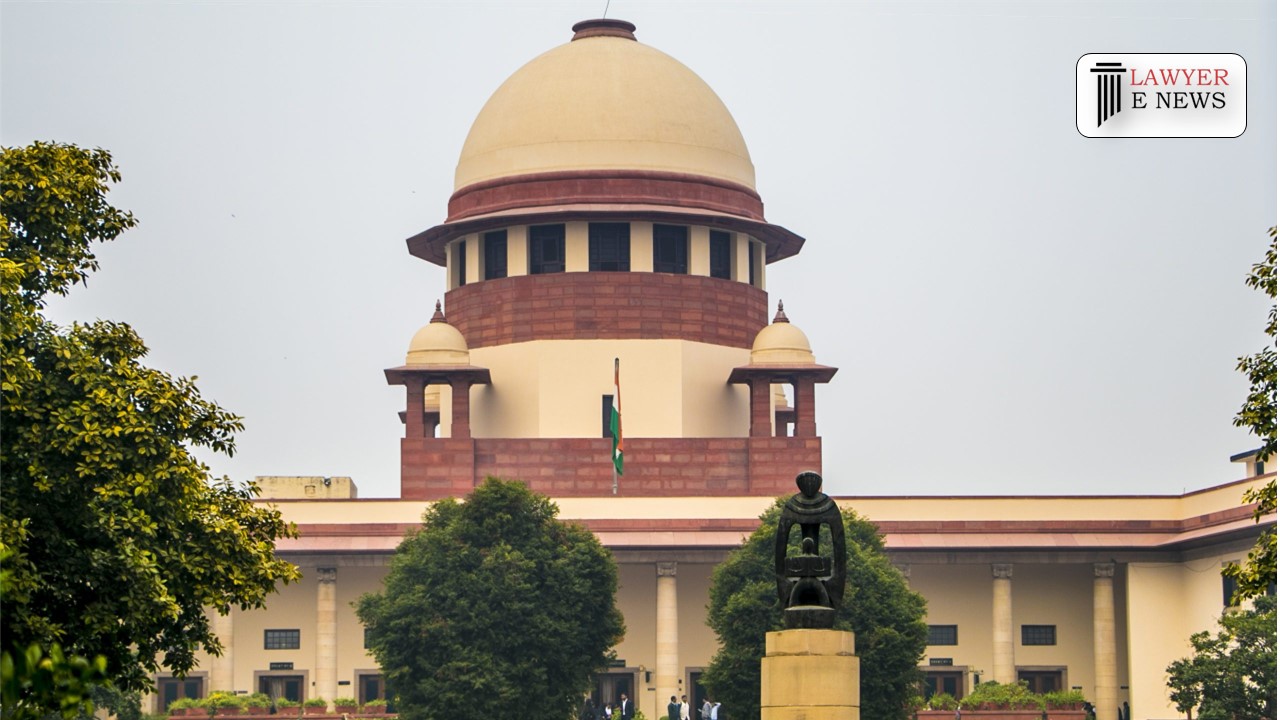
The Supreme Court of India granted interim bail to Dev Mani, who is convicted under severe charges including murder and rioting, emphasizing the importance of familial bonds and customs in its latest judgment. This decision allowed him to participate in the remaining customary rituals of his daughter's wedding.

Dev Mani, currently serving a sentence for convictions under IPC Sections 148, 149, 302, and 324, appealed for interim bail citing his daughter's ongoing marriage ceremonies which extend beyond the main event due to local traditions. Although the main wedding ceremony was completed on April 28, 2024, other significant cultural rituals were pending.

Cultural and Familial Considerations: The court acknowledged the cultural significance of a father's participation in his daughter’s marriage ceremonies, aligning its decision with societal values and previous legal precedents.

State's Agreement: The counsel for the state did not object to the interim bail, which significantly influenced the court's decision, allowing for a more humanitarian approach.

Imposed Conditions for Bail: Highlighting the need for balance between compassion and legal responsibility, the Supreme Court imposed strict conditions including daily reporting to the police and the provision of two sureties, emphasizing adherence to legal protocols.

Reflecting Judicial Compassion: This decision showcases the court's willingness to temper justice with compassion, recognizing the personal circumstances of the convict while ensuring compliance with legal standards.

Decision: The Supreme Court allowed the interim bail application, permitting Dev Mani to attend his daughter's post-wedding rituals for one week, with strict monitoring and surety conditions to ensure his return to custody.

Date of Decision: 29 April 2024

Indra Mani versus The State of Uttar Pradesh

 

Latest Legal News