-
by sayum
05 August 2026 4:21 AM







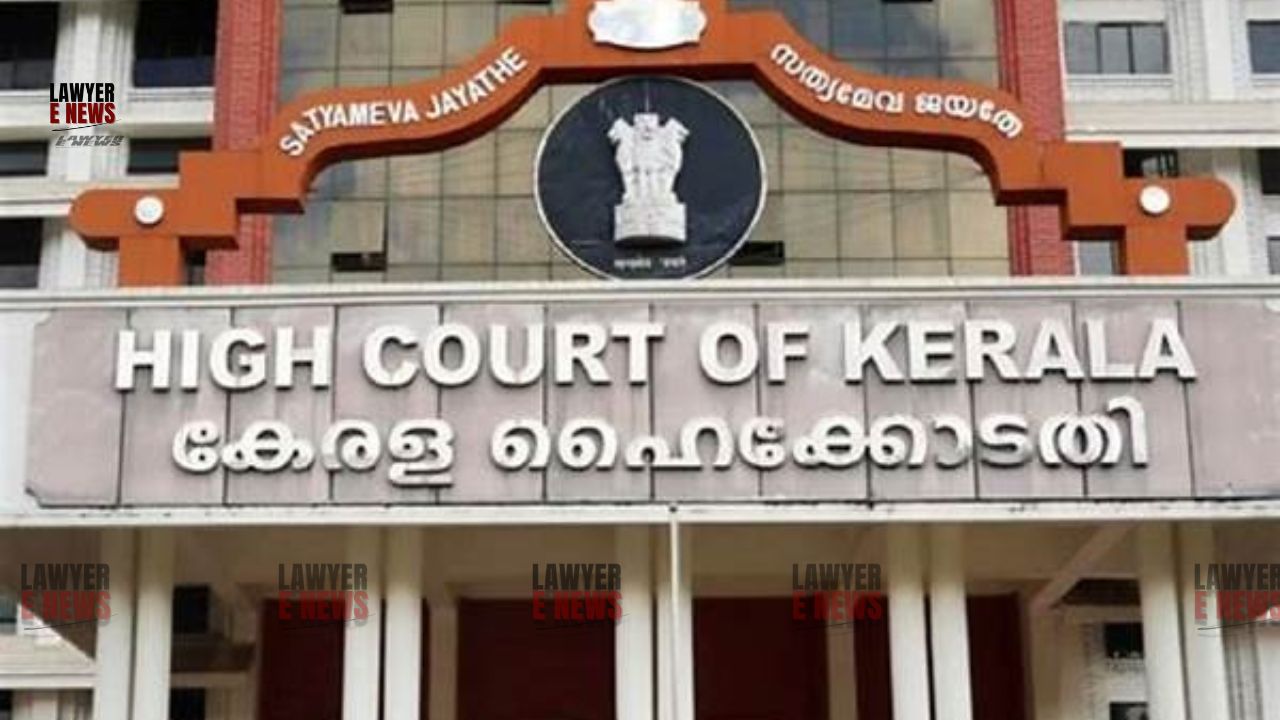
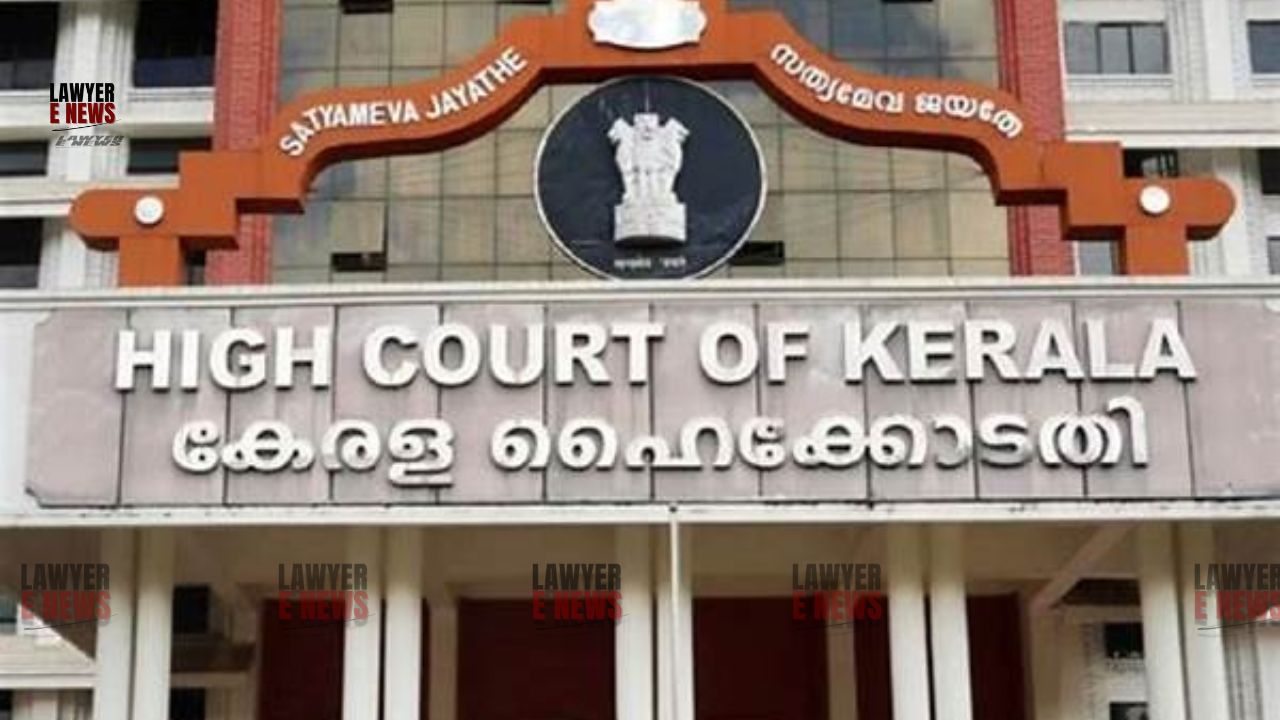
“The ultimate test shall be the test of prejudice”—Interrogatories not barred by timing or prior withdrawal, In a significant decision Kerala High Court upheld the right of a litigant to serve interrogatories even at the final stage of trial, provided they are relevant to the matters in issue and do not prejudice the opponent. Justice K. Babu ruled that “the power to serve interrogatories must not be confined within narrow limits, but exercised with caution to serve the ends of justice.”
The Court dismissed the defendant’s challenge to an order allowing the plaintiff to serve a set of interrogatories regarding title and possession of ancestral property allegedly fraudulently gifted to the defendant's grandson.
The dispute stems from a family property partition originally decreed in 1970 (O.S No. 76/1960). The plaintiff, a member of the Kuttipurath Chelath tharawad, claimed her rightful share of the property was usurped through a sham gift deed (No. 4283/2012) executed by her uncle (defendant No. 1) in favour of his grandson (defendant No. 3). She alleged that the properties allotted to her and her mother during the final decree proceedings were fraudulently dealt with without her knowledge.
The plaintiff sought leave to serve interrogatories on her uncle to establish his lack of authority over the disputed property. Though an earlier application for interrogatories (I.A No. 255/2017) was dismissed as not pressed, she filed a fresh application (I.A No. 843/2019) after discovering that records of the final decree were unavailable in court archives.
Whether interrogatories can be served after a similar application was dismissed as “not pressed” and the trial had commenced?
The Court ruled emphatically in the plaintiff’s favour: “Dismissal of the earlier application as not pressed does not act as a bar for filing a subsequent application seeking the same relief based on changed circumstances.”
Justice K. Babu clarified that the earlier withdrawal happened before trial and did not constitute a bar when new facts had emerged—specifically, the unavailability of final decree records that became critical to the case.
On the timing of the interrogatories, the Court reasoned: “Even at the advanced stage of trial, the merit of the petition is to be decided on the touchstone of ‘prejudice’. The ultimate test shall be the test of prejudice.”
As there was no claim that answering the interrogatories would prejudice the defendant, the Court found no infirmity in allowing the application.
Quoting from Raj Narain v. Indira Nehru Gandhi [(1972) 3 SCC 850], the Court reiterated: “The only questions that are relevant as interrogatories are those relating to any matters in question. Questions merely useful for cross-examination do not qualify.”
Justice Babu contrasted the English and Indian approaches, observing that unlike in England, Indian courts do not allow interrogatories to ascertain the “nature” of the opponent’s case, but strictly confine them to facts relevant to issues in the suit.
The Court cautioned: “A party is not entitled to go on a fishing expedition or embark on a roving inquiry in the garb of interrogatories.”
Dismissing the petition, the Court upheld the trial court’s decision to allow the interrogatories. It held that the questions aimed at clarifying defendant No. 1’s title over the property gifted to his grandson were relevant and permissible under law.
This judgment is a timely affirmation that procedural tools like interrogatories—if used properly—enhance judicial efficiency and fairness. The Kerala High Court reaffirmed that courts must not treat procedural powers as rigid checklists but as flexible instruments to secure justice.
Date of Decision: May 9, 2025