-
by sayum
28 August 2026 10:07 AM







“No Prima Facie Finding? Then No Anticipatory Bail in Atrocities Act Cases” – In a significant judgment delivered Supreme Court of India, comprising Justices Manoj Misra and Joymalya Bagchi, set aside the anticipatory bail granted to an accused who had been summoned under Section 319 CrPC in a case involving charges under Section 3(2)(v) of the Scheduled Castes and Scheduled Tribes (Prevention of Atrocities) Act, 1989. The apex court ruled that the statutory bar under Section 18 of the SC/ST Act squarely applies, and the High Court lacked jurisdiction to entertain the bail plea in the absence of a finding that no prima facie case under the SC/ST Act existed.
The Court held in Rajesh v. State of Haryana & Another that once a person is summoned as an accused in a case involving offences under the SC/ST Act, even if added later under Section 319 CrPC, the bar on anticipatory bail under Section 18 immediately comes into operation.
“Section 18 of the SC/ST Act Bars Anticipatory Bail for Accused Facing Atrocity Charges — Including Those Added Later Under Section 319 CrPC”
The second respondent in the case had been initially not named in the FIR (No. 365/2023) involving offences under Sections 302, 341, 148, 149 IPC and Section 3(2)(v) of the SC/ST Act. However, based on evidence during trial, the Trial Court invoked Section 319 CrPC and summoned the second respondent as an additional accused.
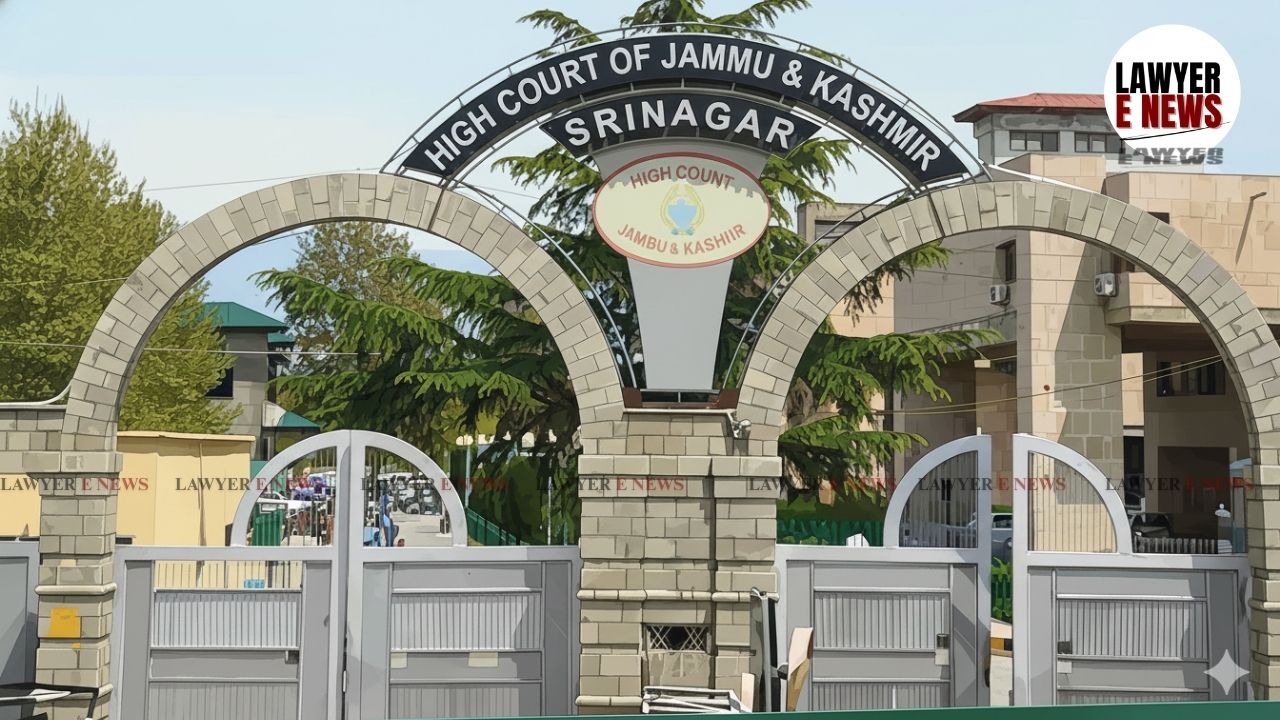
Despite the statutory bar under Section 18, the Punjab and Haryana High Court granted anticipatory bail on 01.07.2025. This was challenged by the complainant-appellant before the Supreme Court.
Rejecting the High Court’s reasoning, the Supreme Court held:
“Since it is not in dispute that the second respondent has been summoned in exercise of powers under Section 319 CrPC to be tried with other accused facing charge of an offence punishable under Section 3(2)(v) of the 1989 Act, in our view, the second respondent would be considered an accused for the said offence.” [Para 9]
“Therefore, in view of the bar, under Section 18 of the 1989 Act, on consideration of anticipatory bail prayer of an accused for an offence punishable under the said Act, the High Court had no jurisdiction to grant anticipatory bail.” [Para 10
“False Implication Is No Ground to Override Statutory Bar on Anticipatory Bail” – Allegations Must Be Tested in Regular Trial or Bail Hearing
The second respondent’s counsel argued that he had been falsely implicated, and therefore, the bar under Section 18 should not apply. The Supreme Court rejected this outright, holding:
“Mere allegations of false implication are insufficient to dilute the statutory bar. The Court must first record a finding that no prima facie case under the Act exists before even entertaining an anticipatory bail plea.” [Para 7]
The Court further emphasized that Section 319 CrPC summoning orders carry binding effect and cannot be casually ignored or bypassed in anticipatory bail proceedings.
“Since the order summoning the second respondent under Section 319 CrPC was not under challenge before the High Court, its validity could not have been tested… the bar on consideration of anticipatory bail prayer could not have been overlooked.” [Para 5]
“High Court Exceeded Jurisdiction Without Prima Facie Finding” – Supreme Court Invalidates Bail Order
The Court held that the High Court had no jurisdiction to entertain or grant anticipatory bail under Section 438 CrPC in a case involving offences under the SC/ST Act unless it first recorded a finding that no prima facie case under the Act was made out.
“In absence of any challenge to the order passed under Section 319 CrPC, it cannot be said that the second respondent is not an accused of an offence punishable under the 1989 Act.” [Para 10]
“Consequently, the order passed by the High Court is liable to be set aside and is hereby set aside.” [Para 10]
“Remedy Lies in Regular Bail” – Accused Permitted to Apply Before Trial Court
While allowing the appeal and quashing the anticipatory bail order, the Supreme Court offered liberty to the second respondent to seek regular bail:
“It is, however, observed that it shall be open for the second respondent to appear before the Trial Court and apply for regular bail in accordance with law. It is expected that the Trial Court shall consider his bail prayer expeditiously and in accordance with law.” [Para 11]
Legal Principles Reaffirmed by the Supreme Court:
Bar Under Section 18 of SC/ST Act is mandatory and applies even to those accused added later under Section 319 CrPC.
Anticipatory bail cannot be granted unless the Court first records a finding that no prima facie case exists under the SC/ST Act.
False implication or mere assertions by the accused do not justify bypassing the statutory bar.
Summoning orders under Section 319 CrPC have a binding effect and cannot be undermined in collateral anticipatory bail proceedings.
High Courts lack jurisdiction to grant anticipatory bail under Section 438 CrPC in such cases unless specific legal preconditions are met.
Supreme Court Upholds Rigour of Atrocities Act and Reins in Judicial Overreach in Bail Jurisdiction
This decision reinforces the strict statutory scheme laid down under the SC/ST (Prevention of Atrocities) Act, particularly Section 18, and serves as a cautionary precedent against judicial dilution of statutory bars through anticipatory bail orders.
The High Court’s anticipatory bail order was held to be without jurisdiction, and the appeal was allowed, reaffirming that procedural safeguards in atrocity cases cannot be circumvented without clear judicial findings.
Date of Decision: 08 October 2025