-
by sayum
23 August 2026 2:56 PM







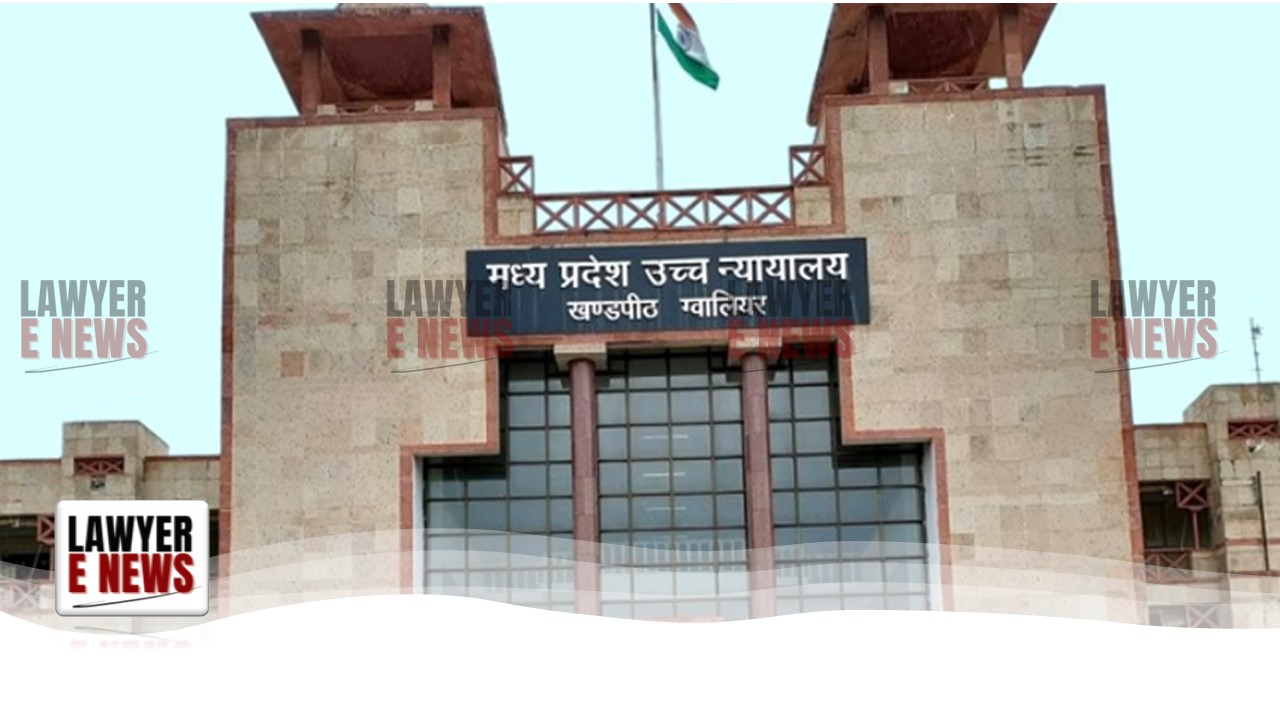
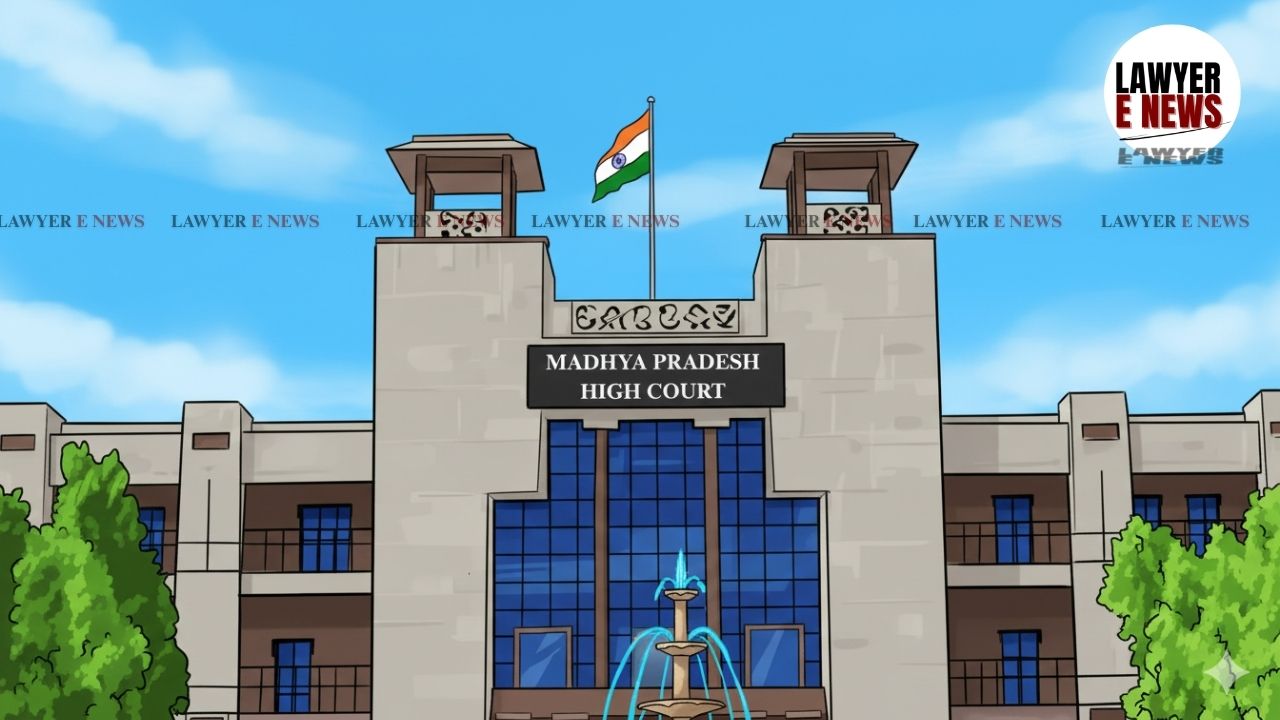
“Suit Filed After Vesting of Land in Central Government is Not Maintainable — Civil Court Cannot Adjudicate Disputes Post Notification under Section 10”, In a significant judgment that reinforces the statutory bar on civil litigation following land acquisition under special legislation, the Madhya Pradesh High Court at Jabalpur, held that once land vests in the Central Government under Section 10 of the Coal Bearing Areas (Acquisition and Development) Act, 1957, any civil suit seeking declaration of title and cancellation of sale deeds concerning such land is expressly barred under Section 26 of the said Act.
Deciding Civil Revision No. 788 of 2023 titled Atul Kumar Pathak & Others v. Ramsakhi Devi & Others, Justice Vivek Jain set aside the trial court’s refusal to reject the plaint under Order VII Rule 11 CPC, holding that the suit was patently barred by law and the trial court had erred in allowing it to proceed.
“Once the suit has been filed after issuance of Notification under Section 10 of Act of 1957 and the land stood vested in the Central Government, the suit is clearly not maintainable and is barred by law,” the Court ruled.
“Jurisdiction of Civil Courts Stands Ousted Once Notification Under Section 10 is Issued” – Plaint Rejected at Threshold
The dispute arose from a suit filed in 2022 by plaintiff Ramsakhi Devi, seeking declaration of title and cancellation of sale deeds executed by her relatives in favour of third parties in respect of agricultural land. However, the land in question had already been notified under Section 7(1) of the Coal Bearing Areas Act on 13 August 2020, followed by a Section 10 vesting notification on 6 August 2021, well before the suit was instituted.
While the trial court had rejected the application under Order VII Rule 11 CPC on the ground of jurisdiction, it had allowed the plaintiffs to cure defects relating to valuation and court fees. The defendants challenged this, arguing that the entire suit was barred under Section 26 of the 1957 Act and therefore the plaint should have been rejected outright.
Agreeing with the petitioners, Justice Vivek Jain held: “Since the title of the land now vests in the Central Government upon issuance of Notification under Section 10 of the Act of 1957, therefore, the only question that now remains is the right of the plaintiff to receive share in compensation, and nothing else.”
The Court emphasized that all disputes regarding title, entitlement, and apportionment of compensation must now be adjudicated before the Tribunal constituted under Section 14, and not in a civil court.
“Coal Bearing Areas Act is a Self-Contained Code — Civil Court Has No Role Post Acquisition”
Citing the statutory scheme under Sections 14, 17, and 26 of the Act, the Court explained that the Tribunal constituted under Section 14 is competent to decide disputes relating to entitlement to compensation, including incidental questions of ownership and title, which become relevant only for determining who should receive compensation, not for adjudicating title in the classic civil sense.
The judgment quotes Section 26 unequivocally: “No civil court shall have jurisdiction in respect of any matter which the Central Government or the competent authority or any other person is empowered by or under this Act to determine.”
The Court further underlined that the Tribunal is not a mere administrative forum but a judicial authority chaired by a person who is, has been, or is qualified to be a High Court judge, and is empowered under Section 14(8) with all powers of a civil court to summon witnesses, examine evidence, and issue commissions.
“Declaration of Title Becomes Irrelevant Once Land Vests in Government — Right Survives Only to Claim Compensation”
Rejecting the argument that a civil suit was maintainable to adjudicate complex questions of title, the Court adopted the reasoning of the Patna High Court in Somra Manjhi v. Central Coalfields Ltd. (1996 SCC OnLine Pat 648) and the Jharkhand High Court in Most. Shanti Devi v. Md. Abdul (2022), both of which held that: “The main purport of such suits is nothing but to get compensation… Title questions can be decided by the Tribunal to the limited extent of determining entitlement to compensation. The Civil Court’s jurisdiction is ousted under Section 26.”
The Court expressly disagreed with the contrary view of the Bombay High Court in Sandeep v. Suchita (2019 SCC OnLine Bom 13281), which had allowed civil courts to entertain such title disputes post-acquisition. The Madhya Pradesh High Court held: “The Bombay High Court seems to have skipped the provision of Section 14(2), which mandates that the Tribunal shall consist of a person qualified to be a High Court judge, implying that it is a judicial forum capable of adjudicating such disputes.”
Limitation Issue Left Open: Pleading of “Date of Knowledge” Makes It a Mixed Question of Law and Fact
On the alternative ground of limitation, the High Court declined to reject the plaint, noting that the plaintiff had specifically pleaded that she came to know about the impugned sale deeds only on 27 February 2022, when she visited the land and observed construction activities.
Citing Articles 58 and 59 of the Limitation Act, 1963, which prescribe a three-year limitation from the date when the right to sue or knowledge of the instrument arises, the Court held:
“Though the date of the sale deed is not disclosed, the date of knowledge is pleaded. Therefore, limitation becomes a mixed question of law and fact.”
Accordingly, the plaint was not rejected on the ground of limitation but only under Order VII Rule 11(d) CPC for being barred by law, i.e., Section 26 of the 1957 Act.
“Trick of Pleading Cannot Confer Jurisdiction — Real Nature of Relief Sought Must Be Examined”
Quoting with approval the Patna High Court’s reasoning, the Court reminded that the camouflage of reliefs or artistic drafting of the plaint cannot override statutory bars: “The trick of pleadings and the camouflage of the reliefs are not decisive… What must be seen is the real purport of the suit — in this case, it is nothing but a claim to compensation.”
The Court thus reinforced that title declarations post-acquisition are academic, and plaintiffs must pursue their claims only before the designated Tribunal, if they claim to be interested persons entitled to compensation.
“The revision is allowed. The order of the trial Court is set aside. The application filed by the petitioner under Order 7 Rule 11 CPC is allowed and the plaint stands rejected on the ground of the suit being barred by Section 26 of the Coal Bearing Areas (Acquisition and Development) Act, 1957. Parties to bear their own costs.”
This judgment establishes clear guidance that once acquisition is complete under the 1957 Act, all title and compensation-related disputes must be raised before the statutory Tribunal, and civil courts are divested of jurisdiction.
Date of Decision: 6 January 2026