-
by sayum
22 October 2026 4:10 PM







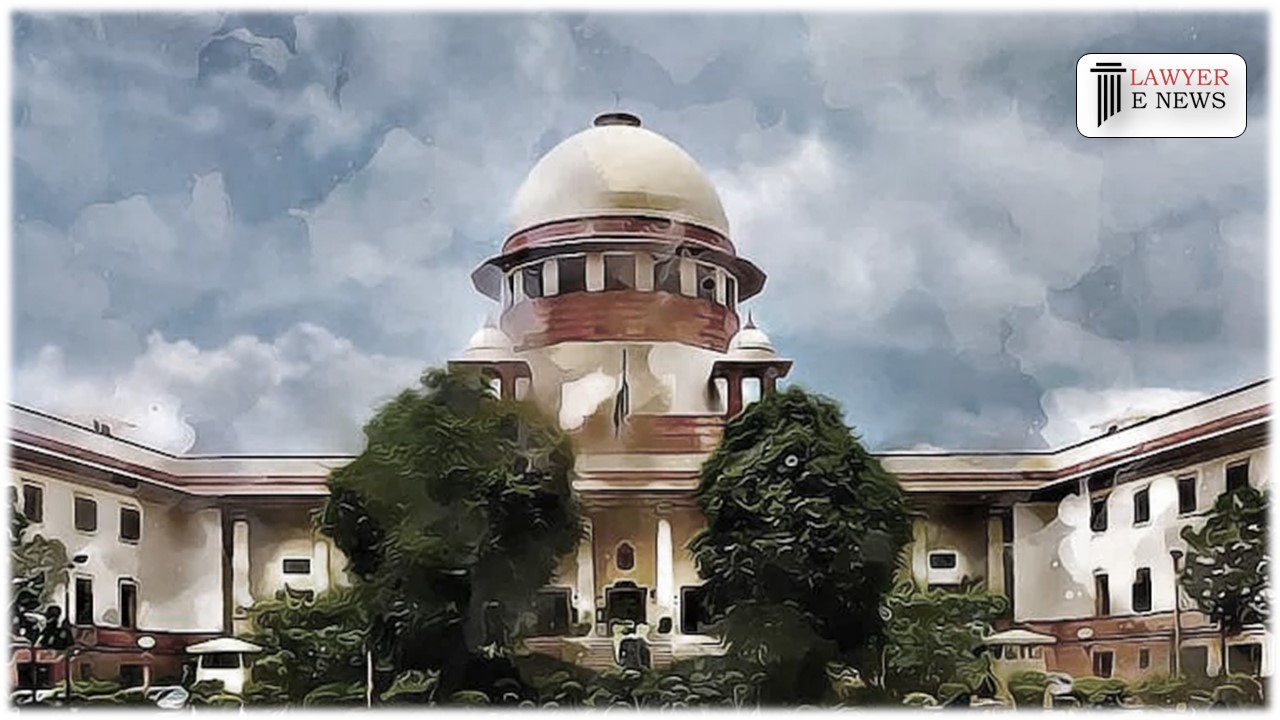
In a significant ruling, the Supreme Court of India has addressed the issue of maintainability of a Special Leave Petition (Civil) against an order passed in review. The judgment, delivered by Justices Krishna Murari and Sanjay Karol, provides crucial insights into the interpretation of Order XLVII Rule 7 of the Civil Procedure Code.
The case before the apex court involved an appeal against an order and judgment passed by the High Court of Karnataka. The appellants sought to challenge the original order as well as the subsequent order passed in review. The respondents raised a preliminary objection, arguing that the Special Leave Petition against an order passed in review is not permissible under the applicable rules.
The Court carefully examined the provisions of Order XLVII Rule 7 and agreed with the respondents' contention. The rule expressly states that no appeal by way of Special Leave Petition can be filed against an order passed in review. However, the appellants contended that the liberty granted by the Supreme Court to approach the High Court in review provided an avenue for filing a subsequent Special Leave Petition.
To resolve the conflicting viewpoints, the judges delved into relevant case law. They noted a potential inconsistency in the existing precedents and concluded that the issue of maintainability needed to be decided by a larger bench of the Supreme Court. Recognizing the importance of settling the matter, the Court proposed placing the case before the Chief Justice of India for the constitution of a larger bench.
The judgment also explored the doctrine of merger concerning the dismissal of a Special Leave Petition by way of a nonspeaking order. It observed that such a dismissal does not attract the doctrine of merger and is not considered as law under Article 141 of the Constitution. This finding implies that the dismissal without reasons does not have the effect of res judicata, allowing the possibility of filing a fresh Special Leave Petition.
While acknowledging the potential consequences of a broader interpretation, the Court emphasized the need for reasons in dismissals to avoid opening the floodgates of litigation. Therefore, it deemed it crucial to refer the issue of maintainability to a larger bench for a definitive decision.
Date of Decision: 5th July, 2023
NARAHARI & ORS. vs S.R. KUMAR & ORS.