-
by sayum
17 August 2026 3:17 PM







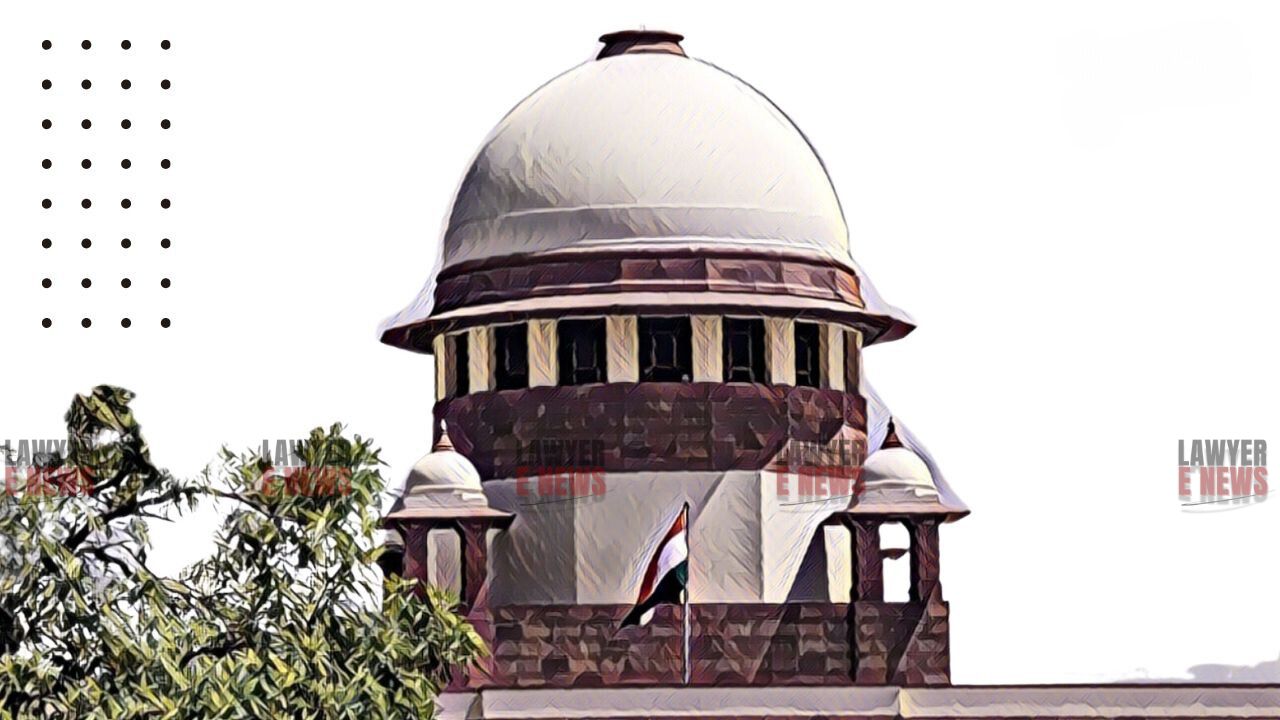
Supreme Court of India ruled in Central Bureau of Investigation vs. Srinivas D. Sridhar, dismissing the CBI’s appeal against the discharge of Srinivas D. Sridhar, the former Chairman and Managing Director (CMD) of the Central Bank of India. The Court held that mere suspicion, even in the case of hurriedly approved loans, is insufficient to frame charges against a public servant without concrete evidence of complicity in the conspiracy.
The case concerned a large-scale loan fraud involving M/s Electrotherm (India) Ltd., wherein the Central Bank of India extended three facilities worth ₹436.74 crores. The CBI filed a charge sheet against the company’s executives and bank officials, including Sridhar, alleging a conspiracy to defraud the bank. The High Court discharged Sridhar, stating there was insufficient evidence to link him to the fraudulent activities, prompting the CBI to appeal.
The primary issue was whether the mere fact that the loan facilities were sanctioned rapidly, coupled with the respondent's involvement in signing the loan approval memorandum, constituted enough evidence to proceed with charges of conspiracy and criminal misconduct under the Prevention of Corruption Act.
The Supreme Court noted that while the speed of the loan sanction raised suspicion, there was no substantial evidence to prove that Sridhar knowingly participated in a fraudulent scheme. The Court emphasized that the loan proposals had undergone scrutiny by multiple committees, including the Loan Advisory Committee, before reaching Sridhar for final approval. The Court held that mere suspicion, without direct evidence of involvement, cannot justify framing charges against the CMD.
The Court found that the role of Sridhar was limited to signing a memorandum approved by senior officers and participating in a committee meeting. The Court stressed that there was no material to suggest that Sridhar personally met any of the accused or benefitted from the fraud. The allegations of conspiracy were deemed insufficient to warrant a trial.
The Supreme Court upheld the High Court’s decision to discharge Sridhar, concluding that there was no direct evidence of his involvement in the conspiracy. However, the trial against other accused persons in the case was allowed to proceed.
Date of Decision: October 16, 2024
Central Bureau of Investigation vs. Srinivas D. Sridhar