-
by sayum
21 October 2026 5:27 PM







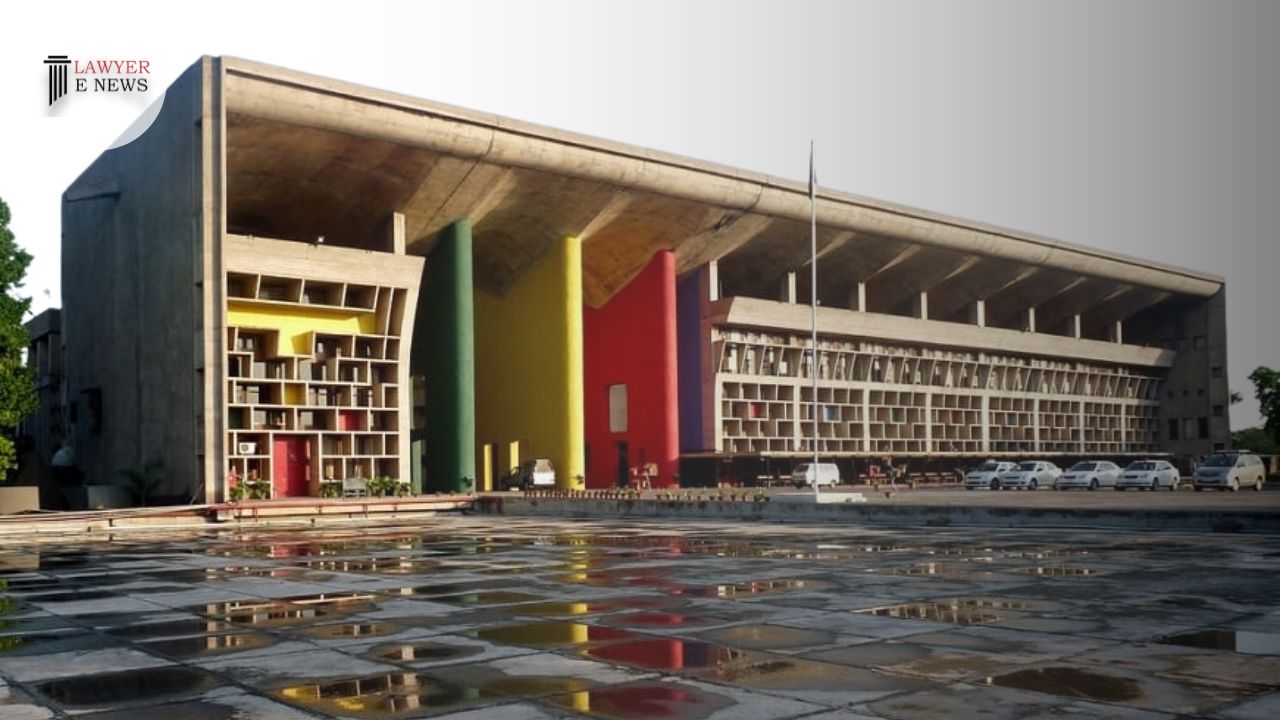
Punjab and Haryana High Court observed (in Mahdeep Singh Vs Lovleen Kaur D.D 2nd May 2022 ) while referring the case of A Jayachandra vs. Aneel Kaur, 2005 (2) SCC 22 , breaking down of marriage is not one of statutory grounds on which Court can direct dissolution of marriage, but the Court with a view to do complete justice and shorten the agony of the parties engaged in long drawn legal battle, directed in those cases dissolution of marriage.
The appellant and respondent were married in Amritsar on 6.10.2011 according to Hindu customs. There was no dowry. After marrying, the couple lived together. This marriage produced no offspring. Since the beginning of the marriage, the respondent has been unkind to the appellant and his family.
The respondent said she was forced to marry the appellant after a few days. She picked petty conflicts. She used profanity. She intimidated the appellant and his family with a bogus criminal case. On 29.10.2012, she left her husband. On 14.12.2012, she filed a police report against the appellant and his family. After pressuring the appellant and his family, she collected Rs.1,25,000/- (Rs.70,000/- via cheque and Rs.55000/- in cash) and items she brought of her own volition. In a statement dated 16.01.2013, she retracted the complaint.
Respectable helped the couple decide to seek for mutual divorce. Later, she withdrew her consent for divorce, and the petition was rejected as withdrawn on 15.02.2013. Respondent now lives with her parents. He sought for divorce under Section 13-B of the Hindu Marriage Act. But same was dismissed by the Family Court.
Aggrieved Husband/ Appellant approached the Punjab and Haryana High Court in 2017 and the parties were referred to Mediation and Conciliation Centre of High Court. But the mediation has failed between the parties.
Hon’ble High Court observed that that the parties are staying separately for the last about 10 years and Court made several attempts to settle the dispute amicably between the parties but all in vain. Referred the case of Chandra Kala Trivedi vs. Dr. S.P. Trivedi, 1993 (4) SCC 232 wherein Hon'ble the Supreme Court while considering a case where marriage was irretrievably broken down and held that in this case, the decree of divorce can be granted where both the parties have levelled such allegations against each other that the marriage appears to be practically dead, and the parties cannot live together.
High Court held that the couple's marriage has ended irretrievably, and they can't live together again. Not granting divorce would be terrible for both parties. It's also undisputed. Respondent filed a complaint against appellant, and appellant was discharged on 17.10.2018 (A-1). Divorce granted however appellant directed to make an F.D of Rs.6 lacs in the name of the respondent-wife.
D.D:- 02.05.2022
Maheep Singh Vs. Loveleen Kaur