-
by sayum
24 August 2026 10:50 AM







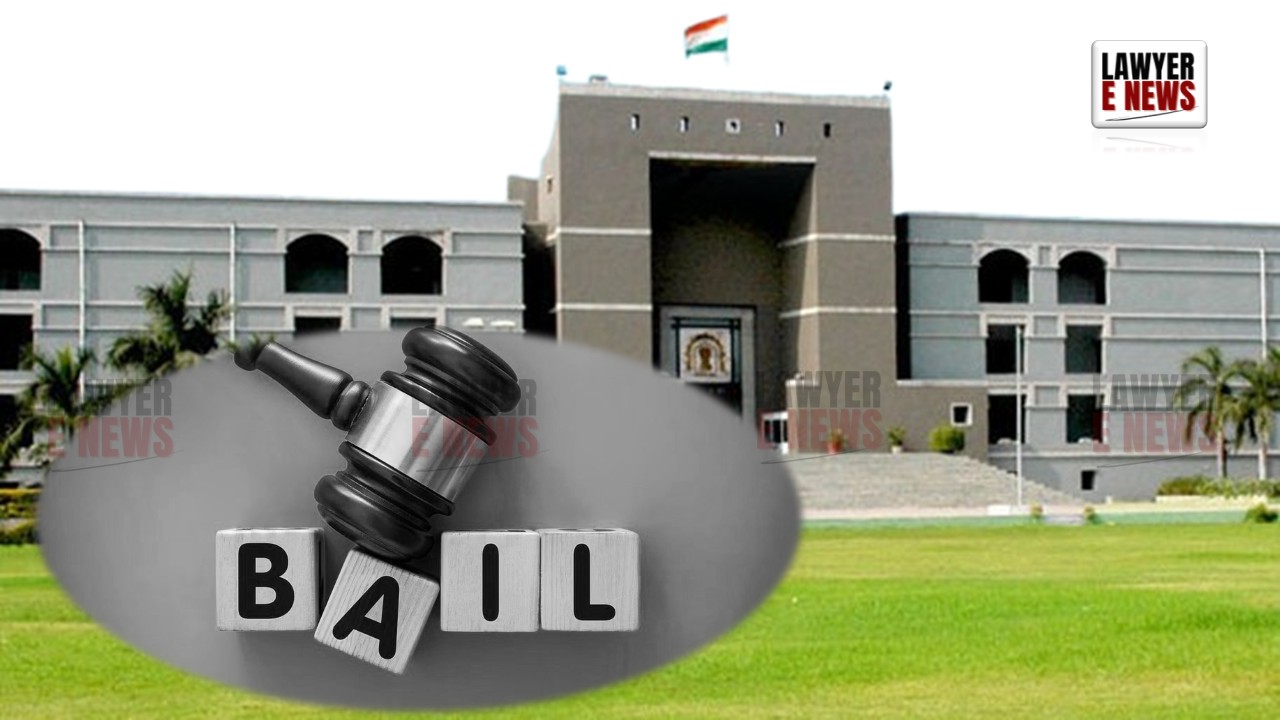
“Unnatural sex against the will and wish of a spouse causes immense physical pain and emotional trauma” – Gujarat High Court dismissed an anticipatory bail plea filed by a man facing grave accusations of sexual, physical, and mental abuse of his wife. The judgment, rendered by Justice Divyesh A. Joshi, reinforces the evolving judicial approach towards recognizing the bodily autonomy of a spouse and underscores that serious matrimonial offences cannot be trivialized under the garb of routine domestic disputes.
The application was filed under Section 482 of the Bharatiya Nagarik Suraksha Sanhita, 2023 (BNSS), seeking anticipatory bail in connection with FIR No. 11191011250327 of 2025 registered at DCB Police Station, Ahmedabad City. The applicant, along with his parents, faces allegations under Sections 498-A, 323, 354, 354-B, 376, 506, and 114 of the IPC, with the complainant alleging sustained sexual abuse, dowry harassment, physical assaults, and acts of cruelty, including attempted burning with lit cigarettes.
“Grave and Serious Allegations”, Not a Simple Matrimonial Dispute: Court
At the heart of the court’s decision lies a stark recognition of the serious nature of the allegations. Rejecting the defense's contention that the dispute was a fallout of a matrimonial discord and divorce proceedings, the Court observed:
“This is not a simple case of matrimonial dispute. It prima facie seems to be something beyond the general and usual allegations stated to be made in every matrimonial dispute by the wife.”
The complainant, a highly educated woman, alleged sustained cruelty over a span of two years, including being beaten, strangulated, and burned with cigarettes by the applicant. The FIR also detailed repeated incidents of unnatural sex and sexual assault by the applicant, causing severe physical and emotional trauma.
Despite arguments raised about a delay in the registration of the FIR, the Court found merit in the complainant’s explanation that she was traumatised, faced societal stigma, and had initially been turned away by the police when she attempted to lodge the complaint. It held: “Delay in lodging FIR in cases involving sexual abuse and matrimonial cruelty is not fatal and does not discredit the prosecution case at the bail stage.”
“Marriage is Not a Blanket Consent for Intimacy”: Court on Marital Rape Allegations
In a powerful acknowledgment of sexual autonomy within marriage, the Court stated:
“Marriage has been seen as an automatic grant of sexual consent since decades, however, modern legal frameworks increasingly recognize the bodily freedom of an individual, even within a marital relationship.”
The Court made a pointed observation that: “Having unnatural sex by any spouse against the will and wish of the other partner not only causes immense physical pain but also gives mental and emotional trauma to the unconsented spouse.”
It further emphasized that allegations of sexual abuse within a marriage must not be brushed aside at the anticipatory bail stage, particularly when corroborative materials such as WhatsApp chats containing abusive, intimidating messages and death threats are prima facie available and certified under Section 65-B of the Indian Evidence Act.
Custodial Interrogation Necessary to Recover Electronic Evidence, Streedhan, and Intimate Photographs
The Court also underscored the necessity of custodial interrogation to facilitate the recovery of crucial electronic and physical evidence allegedly in the applicant’s possession. This includes the complainant’s jewellery (streedhan), confidential business documents, and hard disks containing intimate images, which, according to the prosecution, are yet to be seized.
The Court stated: “The presence of the applicant, in the peculiar facts and circumstances of the present case, seems to be needed to uncover the real truth.”
“Grant of anticipatory bail at the initial stage is likely to hamper the investigation and investigating agency is likely to lose an opportunity to exploit all the fact situation, probabilities or opportunities which the Agency may get during the custodial interrogation of a person.”
The bench relied on multiple Supreme Court precedents, including Siddharam Satlingappa Mhetre v. State of Maharashtra, Sushila Aggarwal v. State (NCT of Delhi), and Pratibha Manchanda v. State of Haryana, affirming that anticipatory bail is not meant to shield those facing credible accusations of grave offences.
No Special Circumstances or False Implication Established: Bail Rejected
Rejecting the contention that the FIR was a counterblast to the divorce petition filed by the applicant, and that he was falsely implicated, the Court noted:
“When no special and compelling circumstances are made out and no case of false implication of present applicant in the alleged offence is made out before this Court, I am of the opinion that this Court should refrain itself from exercising its discretionary powers in favour of the present applicant at this stage.”
The Court found the trial court’s earlier rejection of anticipatory bail to be just and proper, stating that it saw no grounds for interference.
However, it clarified that its observations are confined solely to the present anticipatory bail proceedings and will not affect the consideration of any future application for regular bail or the merits of the trial.
Gravity of Offence Prevails Over Plea for Liberty
In its final determination, the Gujarat High Court placed the gravity of the offence, the societal interest in a fair and thorough investigation, and the potential for tampering with sensitive evidence above the applicant’s plea for protection from arrest. The judgment stands as a significant reiteration of the evolving jurisprudence that recognizes the rights and dignity of women even within the private sphere of marriage.
Date of Decision: 5th January 2026