-
by sayum
03 October 2026 9:56 AM







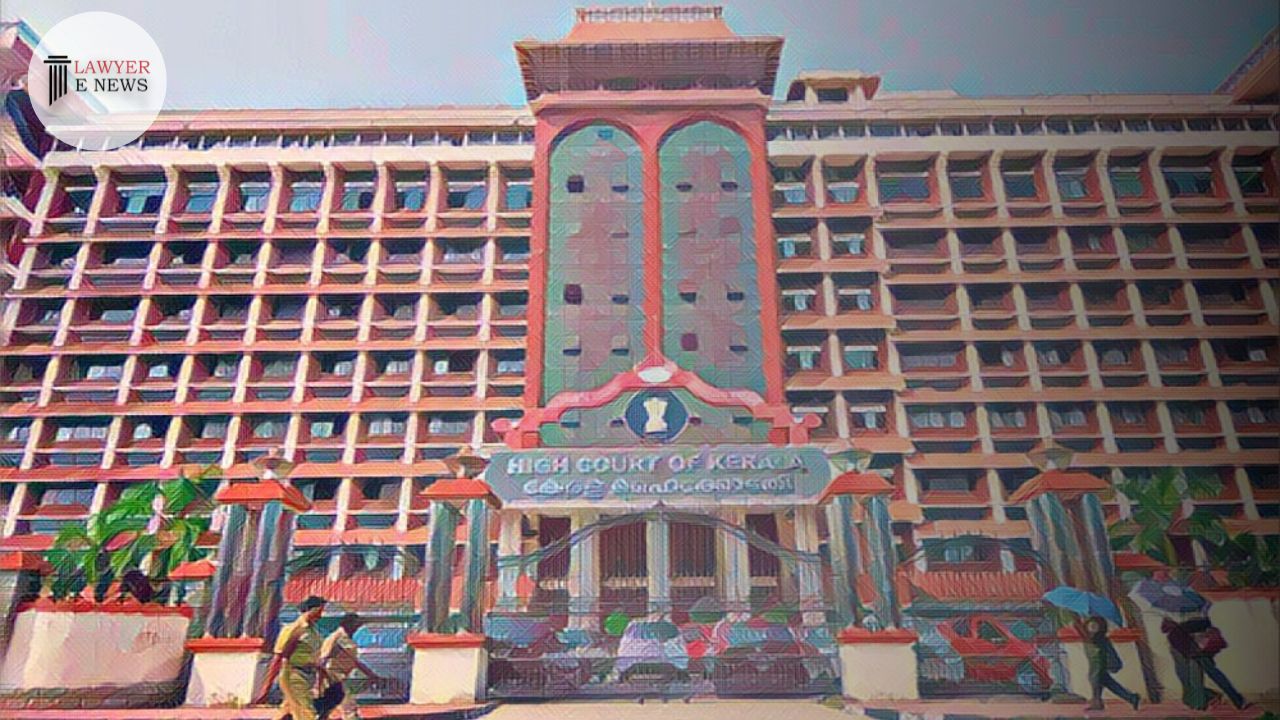
In a significant ruling that underscores the vicarious liability of managing partners in firms, the High Court of Kerala, led by the Honourable Mrs. Justice Sophy Thomas, affirmed the conviction of a managing partner under Section 138 of the Negotiable Instruments Act. The judgment, delivered on Friday, emphasized the principle that a managing partner cannot disassociate from the liabilities of the firm they represent.
The case, stemming from the dishonour of cheques issued by Fortis Marketing, represented by its managing partner, Shanavas P., saw a detailed discussion on the extent of liability borne by individuals in managerial positions. The Court observed, “the liability of the revision petitioner was vicarious, co-extensive with that of the 1st accused,” thereby aligning with the established legal framework on corporate responsibility.
Further elaborating on the role of power of attorney holders, the Court clarified their competence in representing companies in legal proceedings. This decision was pivotal in addressing a common issue in corporate law disputes, particularly those involving financial instruments like cheques.
The case, which initially saw the conviction of the accused by the Sessions Court of Manjeri, was brought to the High Court in a revision petition. The petitioner contested the legal basis of the complaint and the extent of their personal liability. However, the High Court’s decision reaffirmed the trial court’s judgment, underlining the principle that “managing partner cannot have a defense distinct from that of the firm.”
Date of Decision: November 24, 2023
SHANAVAS P., MANAGING PARTNER, FORTIS MARKETING VS M/S. BABIN TECHNOLOGIES PVT. LTD. And Others