CBI Can’t Prosecute When Bank Suffers No Loss: Andhra Pradesh High Court Discharges Bhimavaram Hospitals Directors in ₹1.5 Crore SBI Case Section 256 CrPC Cannot Be A Shield For An Accused Who Never Faced Trial: Allahabad High Court Restores 8 Cheque Bounce Complaints Minimum Wages Cannot Be Ignored While Determining Just Compensation: Andhra Pradesh High Court Re-Fixes Income of Deceased Mason, Enhances Interest to 7.5% 34 IPC | Common Intention Is Inferred From Manner Of Attack, Weapons Carried And Concerted Conduct: Allahabad High Court Last Date of Section 4 Publication Is Crucial—Error in Date Cannot Depress Market Value: Bombay High Court Enhances Compensation in Beed Land Acquisition Appeals Order 26 Rule 10-A CPC | Rarest of Rare: When a Mother Denies Her Own Child: Rajasthan High Court Orders DNA Test to Decide Maternity Acquittal Is Not a Passport Back to Uniform: Punjab & Haryana High Court Upholds Dismissal of Constable in NDPS Case Despite Trial Court Verdict Limitation Under Section 468 Cr.P.C. Cannot Be Ignored — But Section 473 Keeps the Door Open in the Interest of Justice: P&H HC Non-Stamping Renders A Document Inadmissible, Not Void – Defect Is Curable Once Duty Is Paid: Punjab & Haryana High Court Upholds Specific Performance MP High Court Upholds Ladli Behna Yojana Criteria; Rules Registration Deadlines and Age Limits Fall Under Executive Domain Criminal Courts Are Not Recovery Agents: Orissa High Court Grants Bail in ₹3.5 Crore Land Fraud Cases Citing Article 21 and Terminal Illness Employee Cannot Switch Cadre At His Sweet Will After Accepting Promotion: J&K High Court Rejects Claim For Retrospective Assistant Registrar Appointment Anticipatory Bail Cannot Expire With Charge-Sheet: Supreme Court Reiterates Liberty Is Not Bound by Procedural Milestones Order II Rule 2 Cannot Eclipse Amendment Power Under Order VI Rule 17: MP High Court Refuses to Stall Will-Based Title Suit Grounds of Arrest Must Be Personal, Not Formal – But Detailed Allegations Suffice: Kerala High Court Upholds Arrest in Sabarimala Gold Misappropriation Case Grounds of Arrest Are Not a Ritual – They Are a Constitutional Mandate Under Article 22(1): Allahabad High Court Sets Aside Arrest for Non-Supply of Written Grounds Sect. 25 NDPS | Mere Ownership Cannot Fasten NDPS Liability – ‘Knowingly Permits’ Must Be Proved Beyond Reasonable Doubt: MP High Court Section 308 CrPC | Revocation of Pardon Is Not Automatic on Prosecutor’s Certificate: Karnataka High Court Joint Family and Ancestral Property Are Alien to Mohammedan Law: Gujarat High Court Sets Aside Injunction Right to Health Cannot Wait for Endless Consultations: Supreme Court Pulls Up FSSAI Over Delay in Front-of-Pack Warning Labels If A Son Dies Intestate Leaving Wife And Children, The Mother Has No Share: Karnataka High Court

Landlords Must Comply with Statutory Requirements: Supreme Court Affirms Tenants’ Rights in Eviction Dispute

07 May 2024 8:19 AM

By: Admin


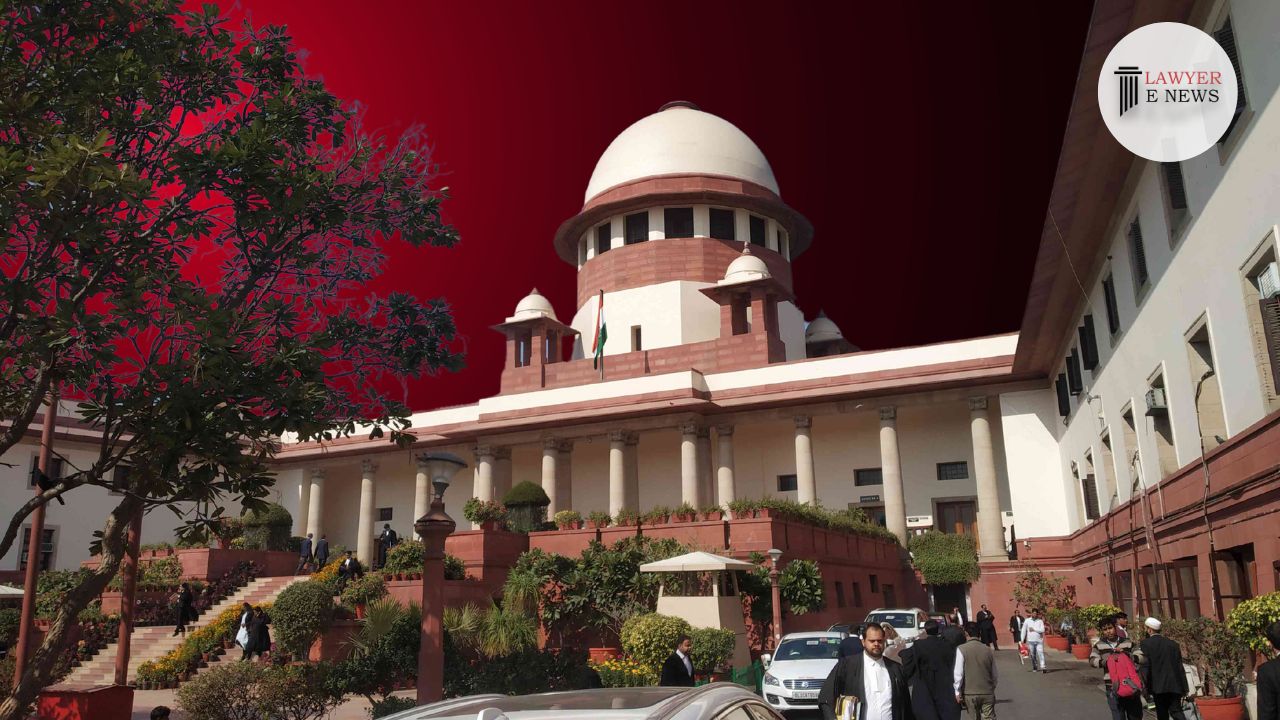
In a landmark judgment that reiterates the rights of tenants, the Supreme Court today dismissed the appeals filed by landlords in the case of Baitulla Ismail Shaikh & Anr. Vs. Khatija Ismail Panhalkar & Ors. (Civil Appeal Nos. 1543 and 1544 of 2016). The apex court upheld the Bombay High Court’s decision, which had invalidated eviction decrees against the tenants under the Maharashtra Rent Control Act, 1999.

The landlords had challenged the High Court’s judgment that set aside the eviction decrees based on various grounds, including alleged default in rent payment, unauthorized constructions, and demolition notices issued by the Mahabaleshwar Giristhan Municipal Council.

The Supreme Court bench, comprising Justices Aniruddha Bose and Bela M. Trivedi, emphasized the importance of strict adherence to statutory provisions in landlord-tenant disputes. The court observed, “In eviction proceedings, landlords must rigorously comply with statutory requirements.” This observation underlines the necessity of due process and legal compliance in eviction cases.

The case revolved around the interpretation of Sections 15 and 16 of the Maharashtra Rent Control Act, 1999, particularly focusing on the grounds for eviction and the necessity for demolition. The Supreme Court noted that both the trial and appellate courts had failed to address the requirement of part-demolition under Section 16(4) of the Act and did not adequately assess the ‘immediate purpose of demolition’ for eviction under Section 16(1)(k).

The High Court, in its revisional jurisdiction, had found non-compliance with these statutory provisions and set aside the lower courts’ decrees. The Supreme Court concurred with this view, affirming the High Court’s judgment. The apex court stressed that a landlord’s claim for eviction must be substantiated by full disclosure of their property holdings to assess their bona fide need for the premises.

Date of Decision: 30th January 2024

BAITULLA ISMAIL SHAIKH AND ANR. VS HATIJA ISMAIL PANHALKAR AND ORS.

 

Latest Legal News