-
by sayum
29 August 2026 5:15 AM







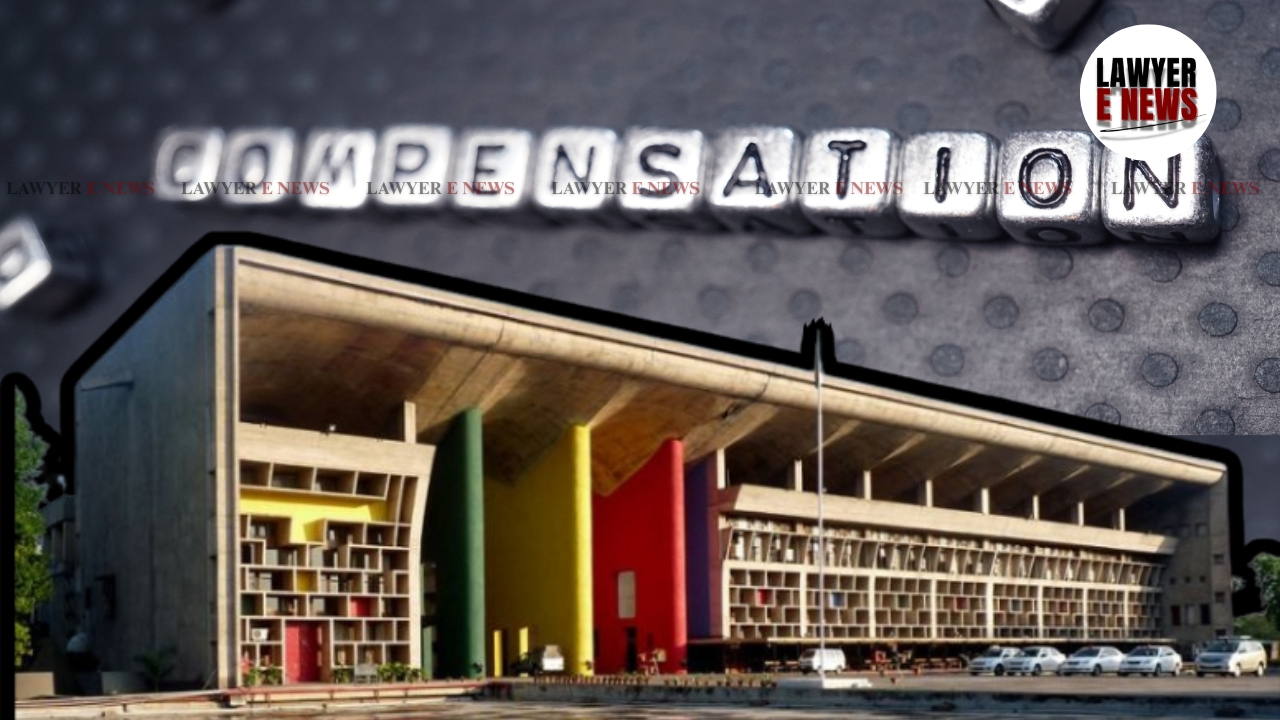
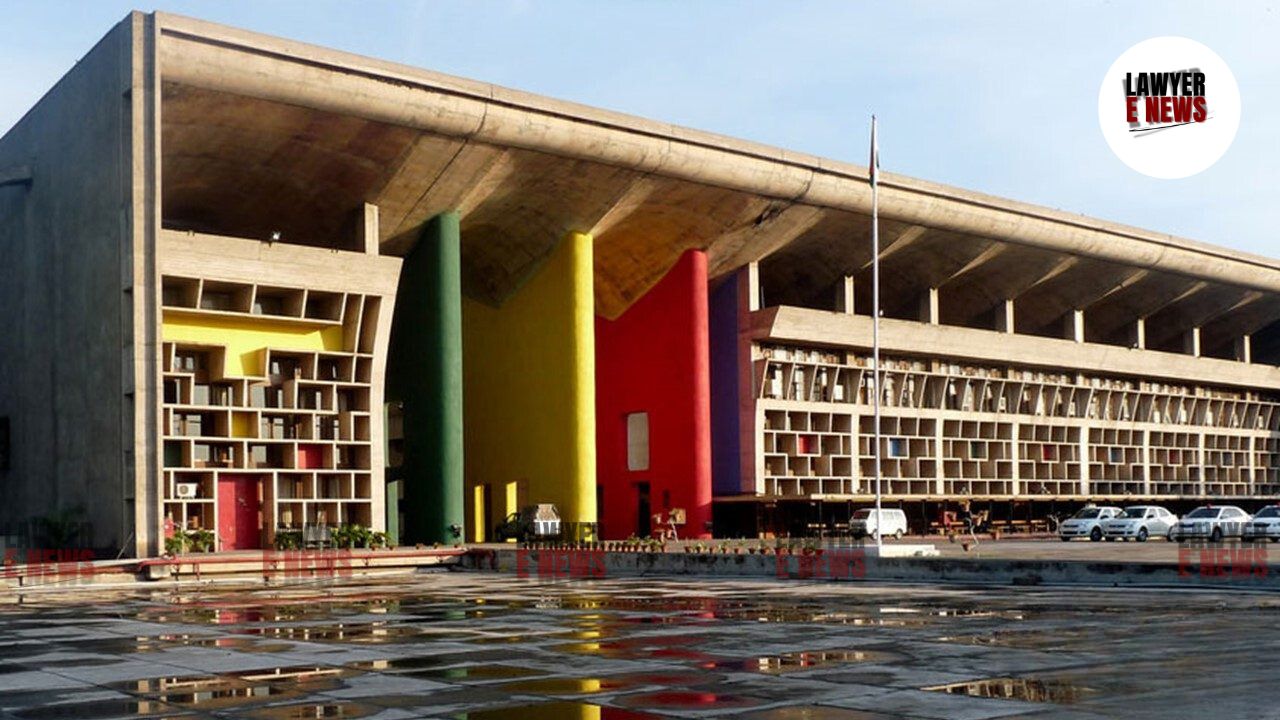
Punjab and Haryana High Court delivered a significant judgment, rejecting the insurer’s attempt to cut down a motor accident award while enhancing the compensation granted to the claimants. Justice Harkesh Manuja held that the notional income of a deceased homemaker could not be equated merely to minimum wages but had to reflect her multifaceted services to the family and society.
“Invaluable Emotional Support of a Homemaker Cannot Be Assessed in Money”
The Court observed that the Tribunal erred in fixing the deceased Nirutma’s monthly income at ₹11,240 by equating her to a skilled labourer under minimum wages. Justice Manuja stressed that a homemaker not only contributes household labour but also renders emotional, managerial and caregiving services that substantially reduce the family’s financial burdens. Referring to precedents like Kubra Bibi v. Oriental Insurance Co. Ltd. (2023) and Rajendra Singh v. National Insurance Co. Ltd. (2020), the Court held: “Even the invaluable emotional support and the contribution of housewife to her husband, children and in-laws, cannot be assessed in terms of money.”
Accordingly, the Court reassessed the notional income at ₹18,000 per month, recognizing her additional role as a seamstress running a stitching-cum-training centre.
The case arose out of a fatal accident on 17 January 2021, in which Nirutma lost her life. Her family sought compensation of ₹80 lakh under Section 166 of the Motor Vehicles Act, 1988. The Motor Accident Claims Tribunal, Jhajjar, on 5 February 2024, awarded ₹25,69,400 with 6% interest, holding that the accident occurred solely due to rash and negligent driving of the offending car. Both sides appealed: the claimants for enhancement and the Insurance Company for reduction of the award.
“No Evidence of Contributory Negligence – Defence of Insurer Baseless”
The Insurance Company argued that the deceased contributed to the accident and that the driver lacked a valid licence. However, the Court found that the insurer had not produced any cogent material to substantiate these allegations. Justice Manuja noted that there was no FIR or independent investigation report indicating contributory negligence and further recorded: “Insurance Company failed to prove that driver held no valid licence. No investigation or witness was produced to substantiate the defence under Section 149(2) of the Motor Vehicles Act.”
Thus, the Tribunal’s findings that the accident was caused solely by the rash driving of the respondent driver were upheld, and the insurer’s appeal was dismissed.
Enhanced Compensation: Recognising Unpaid Labour
Reassessing the compensation, the Court fixed annual income at ₹2,16,000, added 25% future prospects, and applied a multiplier of 14 in view of the deceased’s age of 43 years. The total loss of dependency came to ₹37,80,000. Funeral expenses and loss of estate were enhanced to ₹18,000 each, while consortium benefits were fixed at ₹1,92,000. In total, the compensation payable to the family rose to ₹40,08,000, an enhancement of ₹14,38,600 over the Tribunal’s award.
The Court also increased the interest rate from 6% to 9% per annum, relying on Supe Dei v. National Insurance Co. Ltd. (2009) and Puttamma v. K.L. Narayana Reddy (2014).
By dismissing the insurer’s appeal and granting enhancement, the High Court reinforced the principle that the services of a homemaker cannot be undervalued in motor accident compensation claims. The judgment highlights a broader recognition of the unpaid yet essential economic and emotional contribution of women within the household, giving it tangible legal acknowledgment in fatal accident claims.
Date of Decision: 16 September 2025