-
by sayum
03 October 2026 9:56 AM







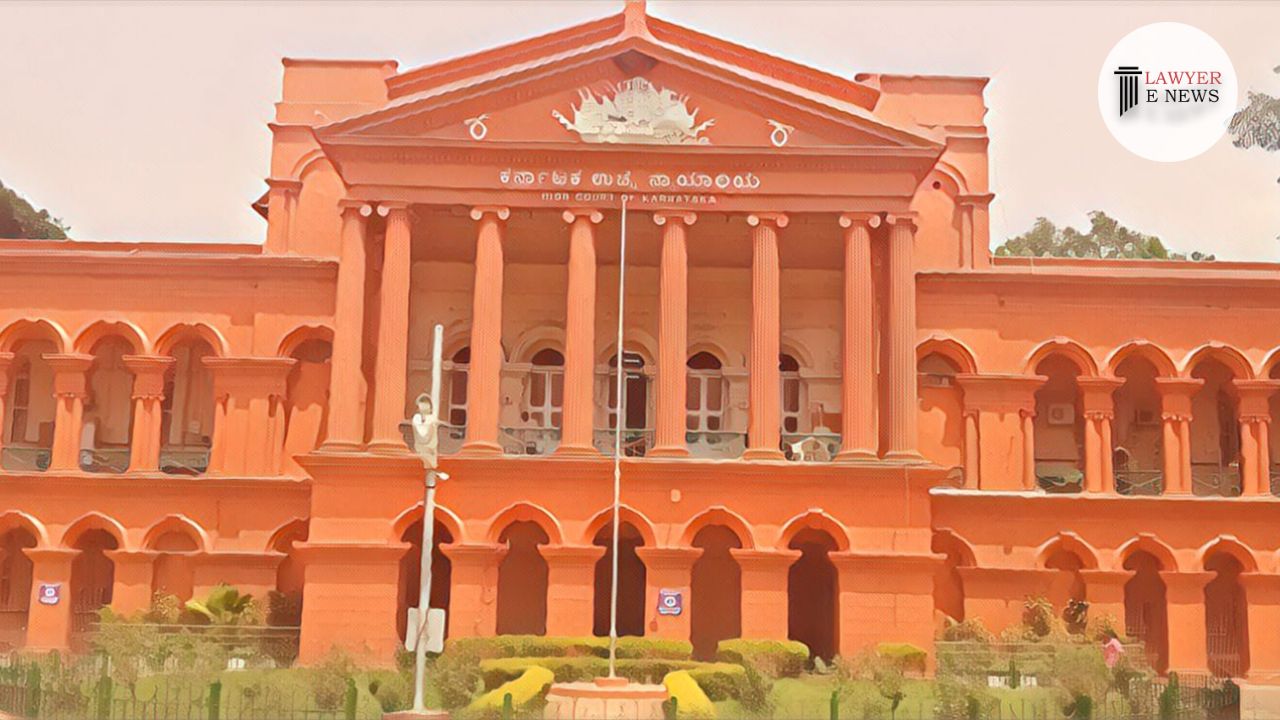
In a significant ruling, the Karnataka High Court upheld the acquittal of respondents in a high-profile dowry death case. The bench, comprising Hon’ble Dr. Justice H.B.Prabhakara Sastry and Hon’ble Mr. Justice Anil B. Katti, delivered the verdict, emphasizing the lack of substantial evidence against the accused.
The case, which garnered public attention, involved allegations of dowry death, including demands for dowry, harassment, and murder by setting the victim, Sumalatha, on fire. The appellant had challenged the respondents’ acquittal, initially pronounced by the Trial Court, under several sections of the IPC and the Dowry Prohibition Act.
In their verdict, the High Court observed, “Insufficient evidence to establish the demand for dowry or harassment related to dowry,” underscoring the prosecution’s failure to establish a clear linkage between the victim’s death and the alleged dowry demand. The Court further noted inconsistencies and contradictions in testimonies, particularly concerning the alleged oral dying declaration of the deceased.
Another critical point made by the bench was the principle of double presumption in favor of the accused in cases of appeal against acquittal. “The appellate Court has to be relatively slow in reversing the order of the trial court rendering acquittal,” the Court remarked, aligning with established legal precedents.
The verdict emphasized the need for comprehensive scrutiny in cases appealing against an acquittal, considering the double presumption of innocence in favor of the accused. “Unless High Court finds out there is complete mis-reading of the material evidence which was led to miscarriage of justice, the view taken by the Trial Court which can also possibly be a correct view need not be interfered with,” the bench stated.
Date of Decision: 28 November 2023
NARASIMHARAJU VS T.S.RAMESH