
-
by sayum
28 August 2026 2:11 PM







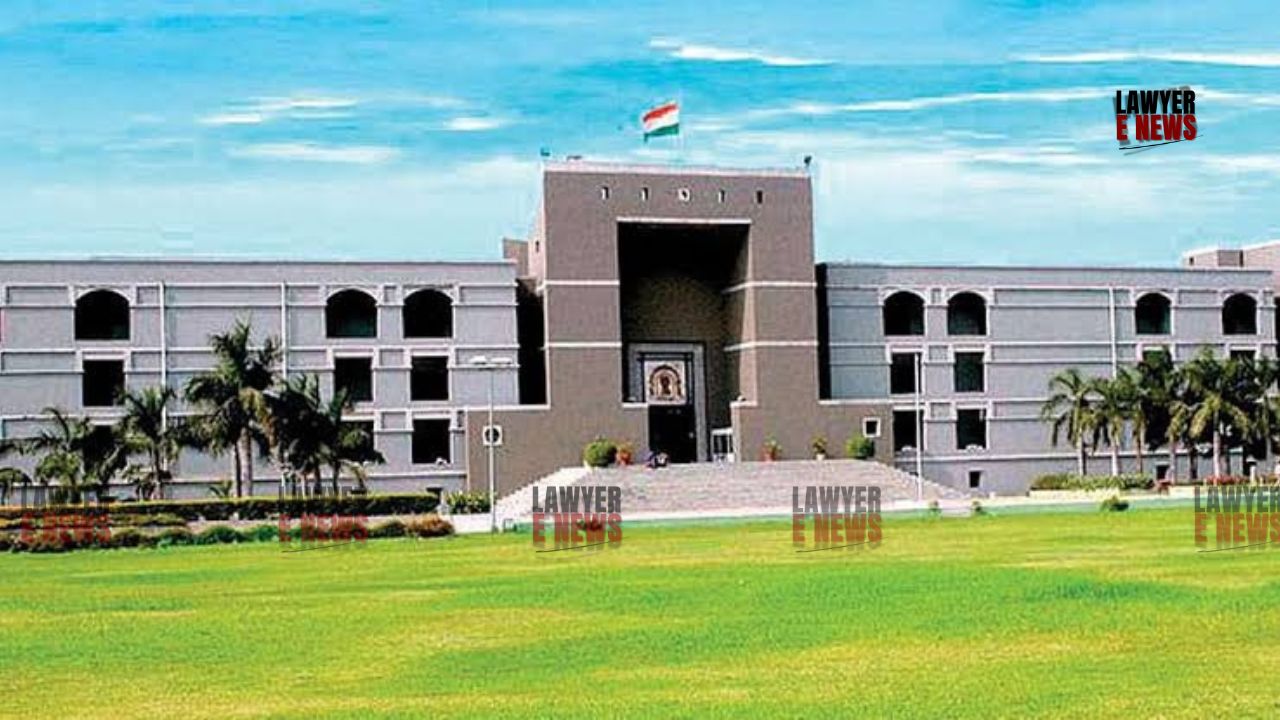
"Freezing of an entire bank account without specifying the quantum of suspected amount or without establishing the involvement of the account holder in any criminal activity results in undue hardship and adversely affects the fundamental rights of the citizen," Gujarat High Court, in a significant ruling, held that the investigative power to freeze bank accounts must be exercised in a reasonable and proportionate manner.
A bench of Justice Niral R. Mehta observed that freezing an entire primary savings account for a negligible disputed amount involves a violation of the right to livelihood and dignity guaranteed under Article 21 of the Constitution of India.
The petitioner, Arjun Kuruveetil Peethambaran, approached the High Court after his primary HDFC Bank account was debit-frozen by cybercrime authorities. The freeze was initiated following communications regarding two suspicious credit transactions totaling a mere ₹1,100. The petitioner contended that the account was used for his salary, rent, and EMIs, and the total freeze prevented him from accessing his lawful earnings despite not being named as an accused.
The primary question before the court was whether the investigating agency is justified in freezing an entire bank account when the disputed amount is quantified and significantly lower than the total balance. The court was also called upon to determine if such an action constitutes a disproportionate restriction on a citizen's fundamental rights.
Power To Freeze Not Absolute; Must Be Proportionate
The Court acknowledged that while the power of investigative agencies to direct the freezing of bank accounts during a probe is undisputed, such power is not unfettered. The bench noted that any such action must be "reasonable, proportionate and lawful" to withstand judicial scrutiny. The Court emphasized that a blanket freeze without establishing the account holder's direct involvement in criminal activity leads to "undue hardship."
Entire Account Freeze Violates Right To Livelihood
In the present case, the Court found that the applicant was not shown as an accused in any criminal proceedings. The suspicious amount was quantified at only ₹1,100. The bench observed that freezing the entire account, including salary and lawful deposits, was disproportionate and resulted in serious prejudice.
"Freezing of the entire account, including the applicant's salary and lawful deposits, is disproportionate and results in serious prejudice affecting his right to livelihood and dignity guaranteed under Article 21 of the Constitution of India."
Ends Of Justice Met By Restricting Freeze To Disputed Amount
The Court expressed the opinion that the ends of justice would be served if the freeze was restricted only to the extent of the disputed amount. This approach allows the investigating agency to secure the suspected funds while permitting the citizen to operate the remaining balance for daily survival and financial obligations.
Court Explains Balance Between Investigation And Rights
The bench reiterated that the transaction trail reflected suspicious amounts of ₹500 and ₹600, aggregating to ₹1,100. However, restricting access to the applicant's legitimate earnings and savings due to these limited transactions was viewed as an overreach of investigative authority that failed the test of proportionality.
"This Court is therefore of the considered opinion that the ends of justice would be met if the respondent authorities are directed to restrict the freeze only to the extent of the disputed amount."
The High Court allowed the petition and directed HDFC Bank to defreeze the account. The bank was ordered to mark a lien only to the extent of ₹1,100, which shall remain subject to the outcome of the cybercrime investigation. The petitioner was permitted to operate the account fully for all other amounts, with a caveat to cooperate with the investigating agency as required.
Date of Decision: May 04, 2026





