-
by sayum
28 August 2026 2:11 PM







"The FIR was lodged only after the complainant was served with a show-cause notice by her employer — such timing opens a gaping possibility of vengeance" - Supreme Court of India delivered a significant judgment quashing a rape FIR and chargesheet filed under Sections 376 and 376(2)(n) of the Indian Penal Code, observing that the allegations appeared to be a retaliatory move following workplace action initiated by the accused. The Court held that the timing, circumstances, and delay in lodging the FIR rendered it manifestly mala fide and an abuse of the criminal justice process, warranting intervention under Section 528 of the Bhartiya Nagrik Suraksha Sanhita, 2023 (BNSS), the statutory successor to Section 482 CrPC.
The Bench of Justice Sanjay Karol and Justice Nongmeikapam Kotiswar Singh ruled that courts must not turn a blind eye to surrounding events that reveal an ulterior motive, and emphasized the need to “read between the lines” when complaints arise only after the complainant faces professional or administrative consequences.
“Courts Must Not Restrict Themselves To FIR Pleadings When Vengeance Is The Real Motive” – Inherent Power Must Be Used To Thwart Abuse of Law
The central allegation by the complainant — a Computer Operator at Suhagi Municipal Corporation — was that the appellant, her colleague and Assistant Revenue Inspector, engaged in sexual relations with her on the false pretext of marriage. She claimed that he called her to his residence after office hours on 15th March 2023, assured her of marriage, and had physical relations with her, which allegedly continued until 10th April 2023. The FIR, however, was filed months later, and crucially, only after the complainant received a show cause notice from her employer following complaints made by the appellant regarding her alleged misconduct, harassment, and threats.
The appellant had, on 24th April 2023, filed a complaint under Section 155 CrPC detailing repeated harassment and suicide threats by the complainant. This was followed by written complaints to the Municipal Commissioner and other authorities on 5th July 2023, seeking protection from false implication and expressing fear of mental breakdown. In response, the complainant was issued a show-cause notice on 6th July 2023, threatening employment termination if she failed to clarify her conduct. It was only after these developments that the FIR alleging rape was filed.
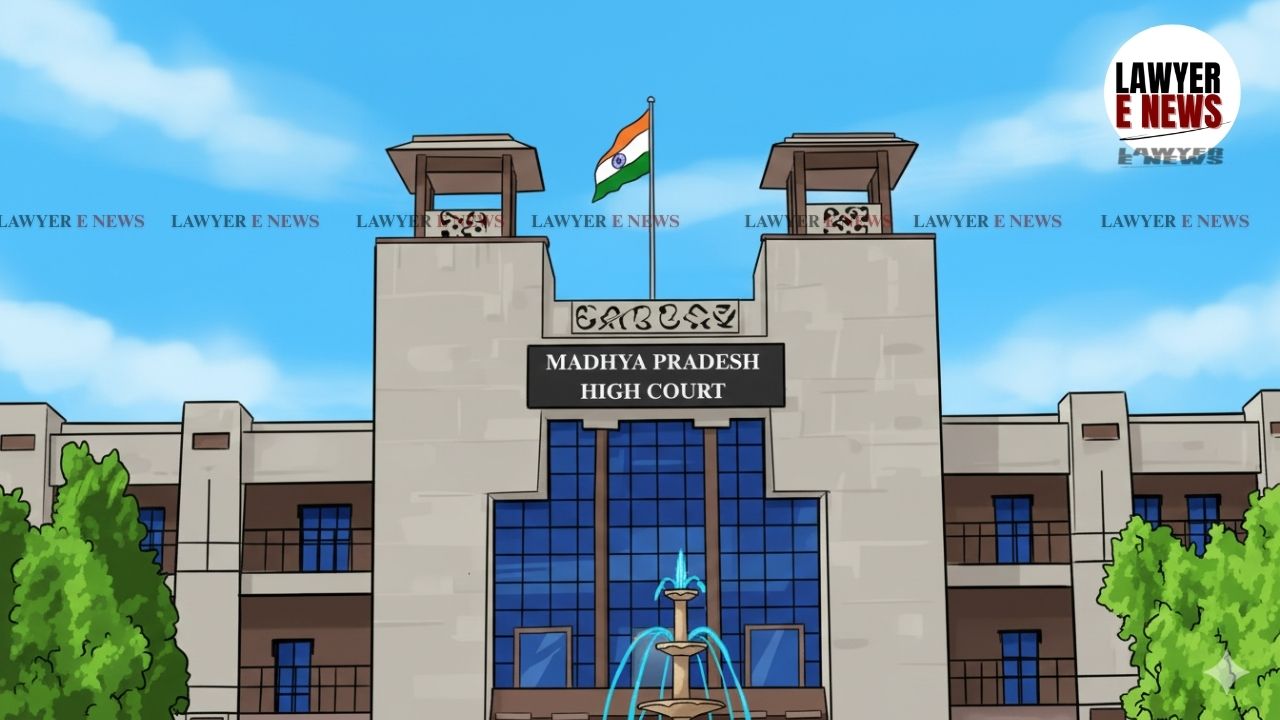
The Madhya Pradesh High Court, however, declined to quash the FIR, opining that whether there was a false promise of marriage would be a matter of trial. The High Court stated, “It will be too early to quash the FIR on the said pretext.”
Challenging this before the Supreme Court, the appellant invoked Section 528 of BNSS, arguing that the FIR was a clear case of malicious prosecution triggered by the fear of disciplinary action.
“Not Just About Pleadings – Timing and Context Reveal Intent” – Supreme Court Emphasizes Duty to Look at Surrounding Circumstances in FIR Quashing Petitions
The Supreme Court took strong exception to the High Court's mechanical reasoning and emphasized that in cases alleging sexual offences on the basis of promise to marry, courts cannot ignore the wider context.
“We notice once again that the Appellant-accused had initiated legal processes and administrative complaints against the complainant much prior to the subject FIR being lodged,” the Court observed. It further noted, “That the subject FIR was only lodged after the issuance of show-cause notice, which obviously has large real-world implications insofar as the complainant is concerned, leaves open a gaping possibility that the same was lodged as an afterthought and was a vehicle for vengeance.”
The judgment further reinforced the legal standard laid down in State of Haryana v. Bhajan Lal, which includes, as a ground for quashing, situations “where a criminal proceeding is manifestly attended with mala fide and/or where the proceeding is maliciously instituted with an ulterior motive for wreaking vengeance on the accused and with a view to spite him due to private and personal grudge.”
The Court also cited Mohd. Wajid v. State of U.P., underlining its crucial guidance:
“It will not be just enough for the Court to look into the averments made in the FIR alone… In frivolous or vexatious proceedings, the Court owes a duty to look into many other attending circumstances emerging from the record.”
It added that in such cases, courts must go beyond the surface of a well-drafted FIR, and instead “try to read in between the lines.”
The judges were particularly influenced by the fact that the complainant had, by her own admission, engaged in a prolonged relationship with the appellant, despite being married and having a son. The alleged refusal to marry, as per the complainant, occurred shortly after 10th April 2023, but she did not file the FIR until months later, and only after facing potential termination from employment.
“Criminal Law Cannot Be Used As a Counter-Blow to Administrative Disciplinary Action” – FIR Quashed, Proceedings Terminated
Holding that the criminal process had been weaponized to counter impending workplace action, the Supreme Court concluded:
“The FIR and the chargesheet against the Appellant-accused ought to be quashed. Continuing the same would be an abuse of the process of law.”
The Court allowed the appeal, set aside the High Court’s judgment dated 27th January 2025, and quashed all proceedings against the appellant. It also ordered closure of any pending applications.
This ruling adds to the growing judicial concern over misuse of serious criminal provisions such as rape by invoking false promises of marriage, particularly in contexts where they appear retaliatory or timed to neutralize non-criminal disputes or disciplinary measures.
It marks a reiteration that criminal prosecution must not be permitted to become a tool of vendetta, and that courts are bound to protect the sanctity of legal processes from being eroded by private motives masquerading as justice-seeking claims.
Date of Decision: 22nd September 2025