-
by sayum
03 October 2026 7:31 AM







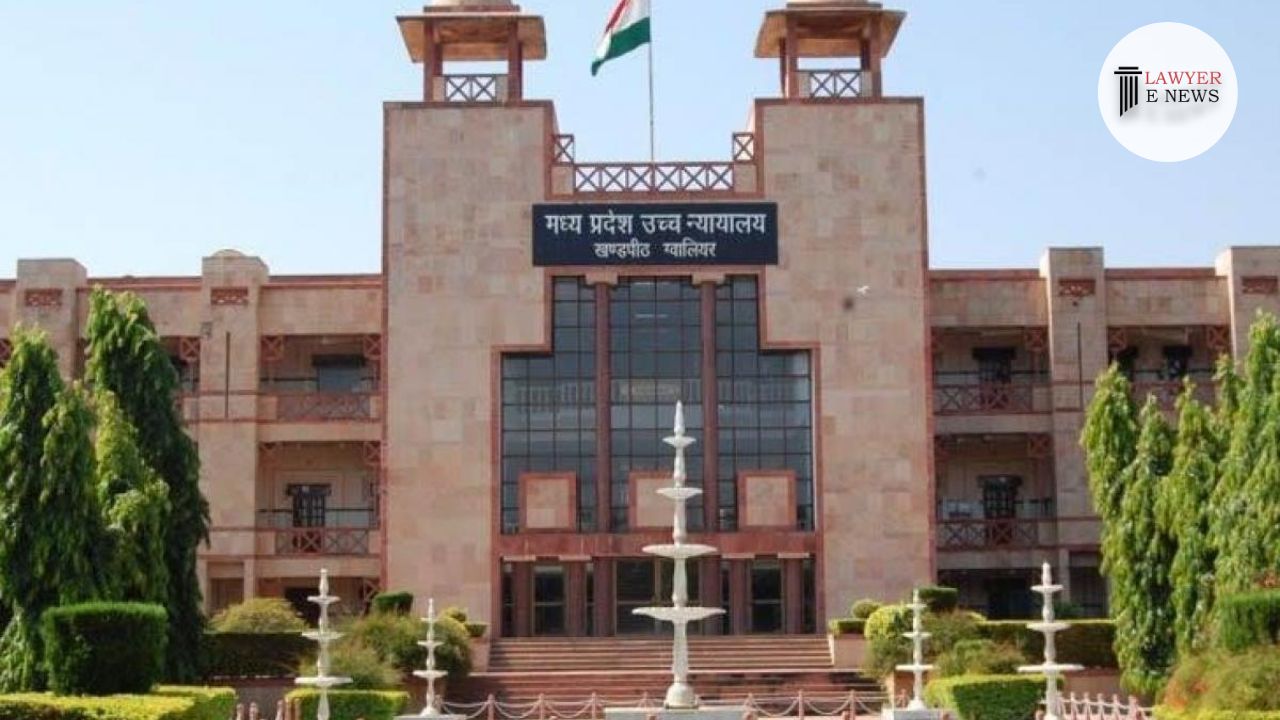
In a significant decision by the High Court of Madhya Pradesh, Gwalior Bench, the appeal of Pawan Kumar against the Family Court’s grant of divorce to his wife on the grounds of cruelty was dismissed. The Court found substantial evidence of physical and mental cruelty inflicted by the appellant on his wife, justifying the termination of the marital relationship.
The appeal was lodged under Section 19 of the Family Courts Act against a Family Court decision from December 2022, which granted a divorce under Section 13 of the Hindu Marriage Act, 1955. The main legal issue revolved around whether the trial court erred in interpreting and applying the law on cruelty as grounds for divorce.
The marriage, solemnized in April 2002, deteriorated over allegations of misrepresentation and financial exploitation by the husband, Pawan Kumar, who claimed to be a Chartered Accountant without holding such a qualification. Following extensive testimony and documentation, including abusive incidents and financial control over the respondent wife who is a doctor by profession, the trial court found these acts constituted cruelty sufficient to dissolve the marriage.
The High Court meticulously reassessed the evidence and testimonies provided during the trial. It highlighted instances such as the husband’s misuse of the wife’s earnings, aggressive behavior, and manipulative control over her professional and personal life. The appellant's conduct was deemed harmful enough to create an apprehensive environment for the respondent, undermining any possibility of cohabitation.
Detailed evaluation of incidents reported by the wife, supported by witnesses, which pointed to consistent patterns of abusive and controlling behavior by the husband.
Acknowledgment of the wife’s efforts to reconcile and the husband’s consistent undermining of these efforts, further emphasizing the irretrievable breakdown of the marriage.
The High Court concluded that the evidence upheld the trial court’s findings of cruelty and that the marital relationship had irretrievably broken down, leaving no grounds to challenge the divorce decree. Thus, the appeal was dismissed, affirming the divorce granted to the wife.
Date of Decision: 8th April 2024.
Xxx vs. xxx