-
by sayum
04 August 2026 1:39 PM







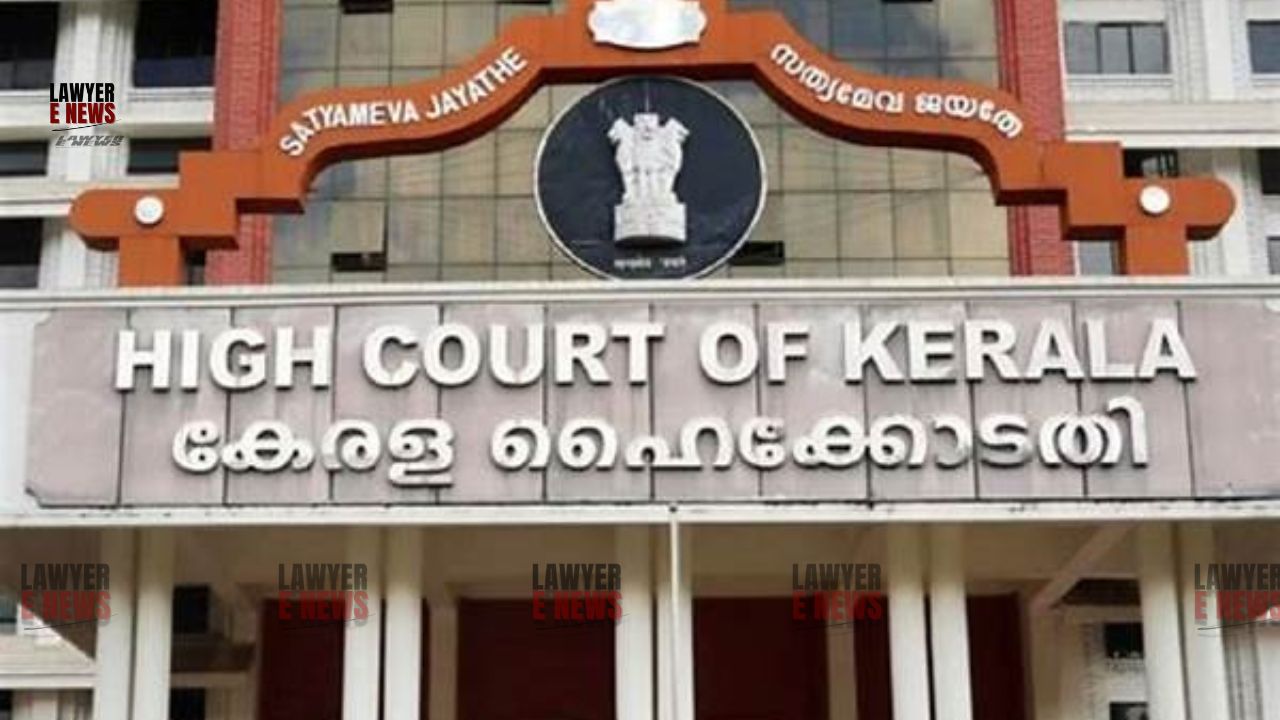
“Parental monetary transfers, without more, cannot be stretched into an allegation of criminal conspiracy under the NDPS Act” – In a decisive reaffirmation of the limits of criminal liability under the NDPS Act, the Kerala High Court granted bail to a woman accused of financing a narcotics operation allegedly involving her son and driver. The Court held that “familial transactions do not, by themselves, amount to criminal conspiracy”, especially when unsupported by any overt act or material evidence indicating intent to engage in narcotic offences.
Justice Bechu Kurian Thomas observed: “The conduct of a parent in transferring money to her son for purposes of his studies, education or residence cannot be interpreted as conspiracy to procure drugs in the absence of something more.”
The petitioner, a woman and the sixth accused in Crime No.1232/2024 of Anchal Police Station, had been in custody since 5 February 2025, following allegations that she had transferred funds to her son and driver, who were later found in possession of MDMA. The Prosecution invoked Sections 22(c), 27A and 29 of the NDPS Act, claiming that the petitioner was involved in financing the procurement of contraband.
However, the Court found no substantive evidence to support this theory beyond ordinary familial financial support. The judge noted:
“In order to implicate a person in the offence of conspiracy, it is necessary that an agreement between them is brought out by the prosecution. Mere knowledge or even discussion of the plan is not per se enough.”
Referring to Supreme Court precedents including R. Venkatkrishnan v. CBI and State of Orissa v. Mahimananda Mishra, the Court emphasised that conspiracy must be grounded in either direct evidence or clearly inferable circumstances, not suspicion arising from bank transfers alone.
“No Physical Manifestation of Conspiracy – Mere Speculation Insufficient under Section 37 NDPS”
The Court also underscored the need to satisfy the twin conditions under Section 37 of the NDPS Act before denying bail: first, the existence of reasonable grounds to believe the accused is guilty, and second, that the accused is likely to reoffend. In this case, the Court held both conditions unmet:
“There are reasonable grounds for this Court to believe that the petitioner is not guilty of the offences alleged… There are no criminal antecedents against her, and there is no possibility of her committing any offence while on bail.”
The Prosecution’s argument—that the petitioner had transferred large sums of money to the 3rd and 4th accused—was dismissed as insufficient. The petitioner produced bank statements showing that the transactions were regular support for her son’s studies and payments to her driver. The Court held this did not satisfy the evidentiary threshold required to invoke Section 27A of the Act.
“Parity Matters – Bail Cannot Be Arbitrary When Co-accused Is Already Released”
Justice B.T. Thomas further noted that the 5th accused, who was arrested on the same day, had already been granted bail by the Sessions Court. Therefore, continued detention of the petitioner, a woman with no prior record, was unwarranted.
Quoting the Supreme Court’s caution in Narcotics Control Bureau v. Kashif [(2024) INSC 1045], the Court reiterated: “Negation of bail is the rule and its grant an exception. The court must be satisfied that the accused is not guilty and will not commit an offence while on bail.”
Yet, the Court clarified that those standards must not be applied mechanically, especially when prima facie evidence is missing, and the allegations rest entirely on relationships or routine financial dealings.
Custody Without Cause Violates Liberty – Bail Granted with Safeguards
In concluding, the Court held that the petitioner’s continued custody served no legal purpose and constituted an unjust curtailment of liberty in the absence of direct or circumstantial proof. Accordingly, it directed her release on bail with standard conditions, while empowering the jurisdictional court to modify them if necessary.
Date of Decision: 5 June 2025