-
by sayum
03 October 2026 9:56 AM







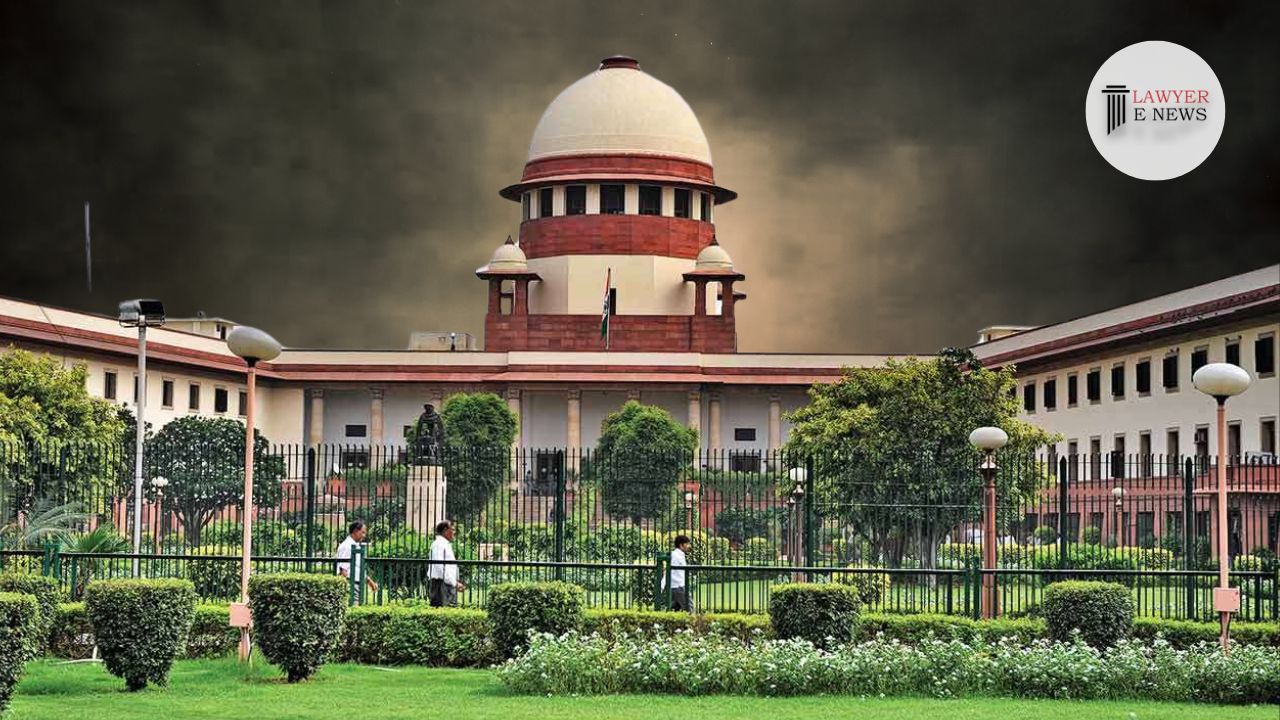
On 11 May 2023 , In a significant ruling, the Supreme Court of India, comprising Justices Abhay S. Oka and Rajesh Bindal, held that the failure to properly question an accused under Section 313 of the Code of Criminal Procedure (CrPC) can result in the trial being vitiated.
The case involved an appeal filed by an accused challenging his conviction and sentence under Section 302 read with 120B of the Indian Penal Code (IPC) by the Trial Court, which was upheld by the High Court.
Importance of Section 313 of CrPC: The Court emphasized the significance of Section 313, which requires the Trial Court to question the accused to enable them to explain any circumstances appearing in the evidence against them.
Precedents Cited: The Court referred to several landmark judgments, including Tara Singh v. State, Shivaji Sahabrao Bobade & Anr. v. State of Maharashtra, S. Harnam Singh v. State (Delhi Admn.), Asraf Ali v. State of Assam, Samsul Haque v. State of Bihar, Vahitha v. State of Tamil Nadu, and Satyavir Singh v. State.
Material Circumstances and Prejudice: The Court noted that the failure to put material circumstances to the accused in their statement under Section 313 of CrPC amounts to a serious irregularity. If such irregularity causes prejudice to the accused, it can vitiate the trial.
Lack of Evidence Against the Appellant: In the present case, the Court found that there was only one sentence in the evidence against the appellant, and the appellant was not confronted with this allegation during their examination under Section 313 of CrPC.
Passage of Time: Considering that more than 27 years had passed since the incident took place, the Court held it would be unjust to remand the case for further statement under Section 313 of CrPC.
Role of Section 313(5) of CrPC: The Court highlighted the importance of Section 313(5), which allows the Trial Court to take the assistance of the prosecutor and defense counsel in preparing relevant questions for the accused, minimizing errors and omissions.
Need for Attention to Section 342: The Court expressed disappointment at the continued disregard for Section 342 of CrPC and called for the National and State Judicial Academies to address this issue.
The Supreme Court allowed the appeal and set aside the conviction and sentence of the appellant. The Court directed the respondent to release the appellant unless their detention was required in connection with any other case.
Case Title: Raj Kumar @ Suman Vs State (NCT of Delhi)
DATE OF DECISION: May 11, 2023