-
by sayum
24 August 2026 11:13 AM







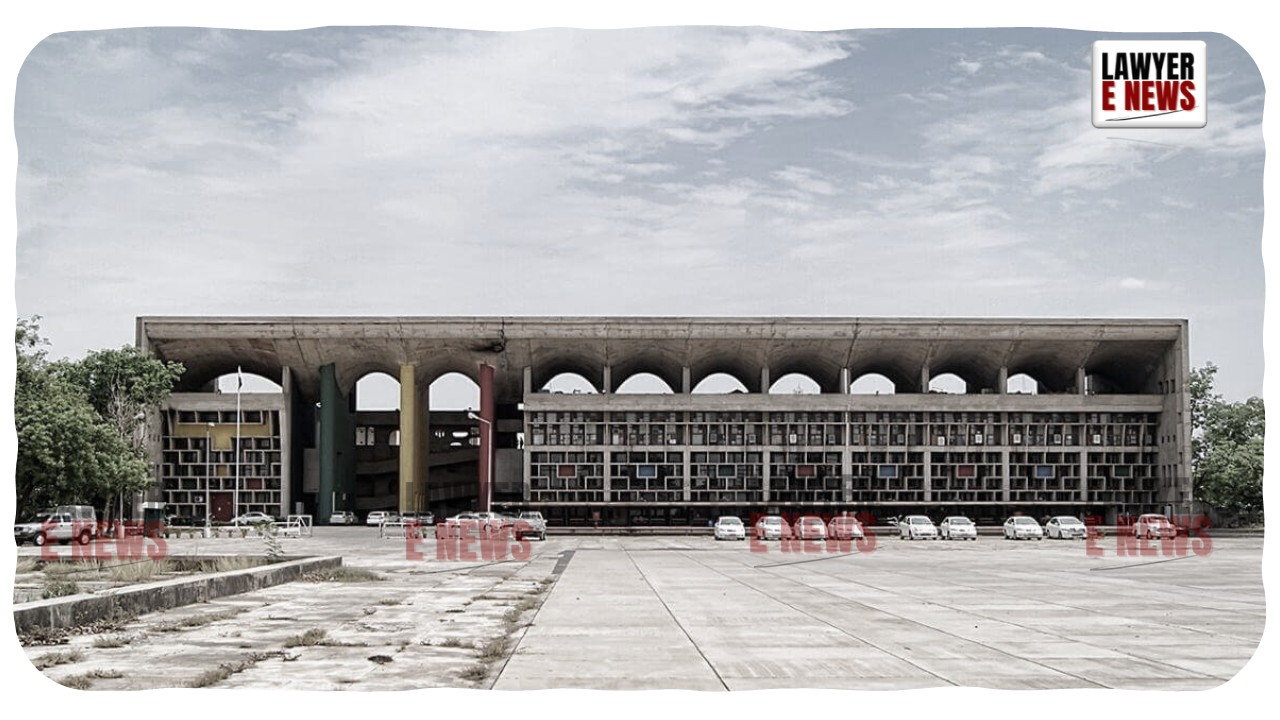
“If Warrants Are Executed, The Very Purpose Of The Appeal Would Be Defeated”, High Court of Punjab and Haryana at Chandigarh, exercising its supervisory jurisdiction under Article 227 of the Constitution of India, intervened to stay the execution of possession warrants issued by the Executing Court in favour of the landlord in a rent eviction dispute. In Vinod Kumar Chourasia @ Vinod Kumar v. Chanchal Mehra (since deceased) through her LRs, Justice Virinder Aggarwal held that proceeding with execution during the pendency of the tenant’s appeal—accompanied by applications under Sections 5 and 14 of the Limitation Act—would amount to frustrating the statutory right of appeal, thereby warranting judicial correction.
The Court was dealing with a civil revision petition filed by the tenant challenging the order of the Executing Court dated 02.01.2026, whereby the tenant’s objections to the execution were dismissed, and warrants of possession were issued in favour of the respondent-landlord.
“Execution Would Render Statutory Appeal Illusory”: Tenant Protected Conditionally from Eviction
The central legal issue in the case revolved around the timing and permissibility of execution proceedings under the Haryana Urban (Control of Rent & Eviction) Act, 1973, when an appeal—though delayed—was filed along with condonation applications under the Limitation Act. The petitioner contended that allowing the execution of the ejectment order, while his appeal was still pending adjudication on delay, would make his remedy nugatory.
The High Court found merit in this contention, particularly noting that:
“If those warrants are permitted to be executed, the very purpose of the appeal preferred by the petitioner would be defeated, thereby frustrating the remedy available under law.”
Ejectment for Non-Payment of Rent and Procedural Setbacks
The factual backdrop traces back to an order of ejectment passed by the learned Rent Controller on 11.03.2024 against the tenant-petitioner for default in payment of rent. The Rent Controller had earlier provisionally assessed the rent arrears at ₹6,15,250 and directed deposit by a specific date. However, on that date, due to a “no-work” call by the Bar Association in Amritsar following the death of a lawyer, the tenant could not appear or deposit the rent. The Court proceeded to pass an ejectment order for default.
A revision against the ejectment order was initially stayed by the High Court on 07.11.2025, but the stay was vacated the same day after the Court noted that no statutory appeal had been filed. The petitioner thereafter filed the statutory rent appeal along with applications under Sections 5 and 14 of the Limitation Act seeking condonation of delay and stay of execution.
Meanwhile, the landlord initiated execution, and the Executing Court dismissed the tenant’s objections and ordered possession to be handed over to the landlord.
Respondent’s Delay in Replying to Condonation Pleas Noticed by Court
The High Court also took note of the conduct of the respondent-landlord in delaying the adjudication of the tenant’s condonation pleas before the Appellate Authority:
“Despite opportunities afforded, no reply was filed by the respondent on 28.11.2025; instead, an adjournment was sought. The same conduct was repeated on 05.01.2026, when again no reply was tendered and an adjournment was sought.”
The Court observed that the landlord, while objecting to interim stay on the ground that condonation applications were yet to be decided, had herself obstructed the process by seeking adjournments, and then proceeded to obtain possession warrants—thus gaining an unfair procedural advantage.
Equitable Relief Conditioned Upon Payment of Arrears
In balancing the equities between the parties, the High Court extended protection to the tenant from immediate dispossession, but on strict conditions. The Court ordered:
“The Warrants of Possession issued by the Executing Court shall remain in suspension pending the decision of the petitioner’s application under Sections 5 and 14 of the Limitation Act, 1963, and, if favourably considered, until the determination of the petitioner’s application seeking stay of the impugned ejectment order.”
However, this protection was not unconditional. The tenant was directed to deposit the entire arrears of rent as well as all subsequent rent accrued till date before the Appellate Authority within one week. The Court made it clear that:
“Failure to comply shall result in automatic revival of the Warrants of Possession without further reference to this Court.”
Scope of Order Limited to Procedural Relief – Merits of Ejectment Not Prejudged
Justice Aggarwal was careful to circumscribe the impact of the present order strictly to procedural protection under Article 227. The Court clarified that it had not expressed any view on the merits of the ejectment order itself and directed the Appellate Authority to consider the appeal and condonation applications “independently and uninfluenced by any remarks contained in this order.”
“The observations made hereinabove are not to be construed as an expression of opinion on the merits of the underlying dispute… rendered solely for the purpose of deciding the issues arising in this petition.”
This decision underscores the constitutional duty of the High Court under Article 227 to prevent injustice caused by procedural irregularities, particularly when they threaten to undermine statutory remedies. By conditioning interim protection on prompt payment of arrears, the Court struck a balance between the landlord’s right to recover possession and the tenant’s right to meaningful appellate remedy.
The case is a timely reminder that execution cannot be permitted to proceed in a manner that precludes fair adjudication of legal remedies, especially when delay in appeal is plausibly explained and under consideration.
Date of Decision: 15.01.2026