-
by sayum
07 October 2026 2:59 PM







High Court emphasizes substantial change in circumstances required for subsequent bail applications, citing Supreme Court precedents.
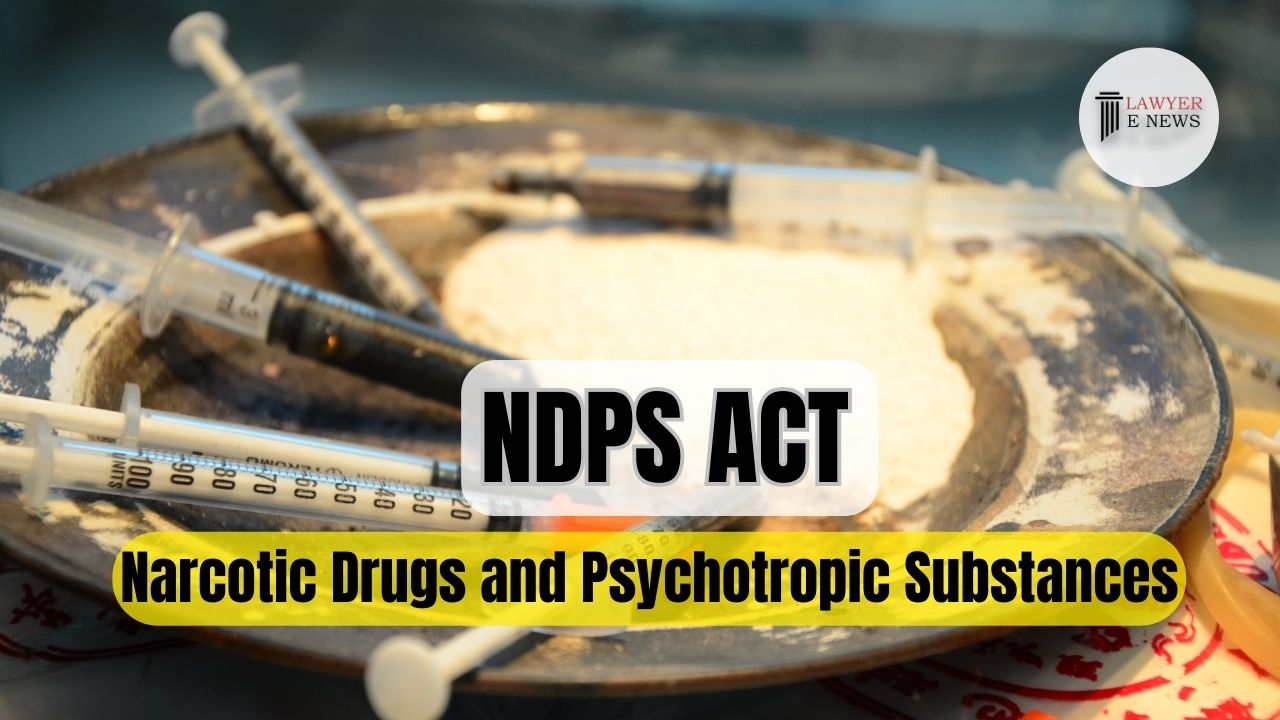
The Himachal Pradesh High Court has dismissed a petition for regular bail filed by Pradeep, who was arrested under Section 21 of the Narcotic Drugs and Psychotropic Substances Act, 1985 (NDPS Act). The judgment, delivered by Hon’ble Mr. Justice Rakesh Kainthla, underscores the absence of any substantial change in circumstances since the dismissal of the petitioner’s previous bail applications, reinforcing the stringent standards for granting bail in serious narcotic cases.
Pradeep, the petitioner, was arrested on May 22, 2023, for possession of a substantial quantity of heroin, leading to his charge under Section 21 of the NDPS Act. Following his arrest, Pradeep filed two bail petitions, one before the Sessions Judge and another before the High Court, both of which were dismissed. The current petition for regular bail was predicated on the completion of the investigation, the filing of the challan, and the examination of four out of 18 witnesses cited by the prosecution. Pradeep’s counsel argued that his continued custody, now extending over 14 months, was unwarranted and served no further purpose, highlighting his status as a young orphan with no capacity to influence the remaining witnesses.
Previous Criminal Antecedents and Heroin Quantity:
The court reiterated the petitioner’s criminal antecedents and the significant quantity of heroin found in his possession as major factors in the denial of bail. Justice Kainthla emphasized that these factors remained unchanged since the dismissal of the earlier bail petitions.
Requirement of Substantial Change in Circumstances:
Referring to established Supreme Court precedents, the court underscored that a subsequent bail application must demonstrate a substantial change in circumstances affecting the earlier decision. In the landmark case of State of Maharashtra vs. Captain Buddhikota Subha Rao and Kalyan Chandra Sarkar vs. Rajesh Ranjan @ Pappu Yadav, the Supreme Court held that mere passage of time or daily custody does not constitute a substantial change.
Justice Kainthla quoted, “Accepting the argument that every day’s custody is a change in circumstance would render the Supreme Court’s guideline meaningless, as it would imply a continuous loop of bail applications without any substantial change affecting the earlier decision.”
The court’s decision was anchored in the principle that changes warranting bail must be substantial and impactful. The judge noted that Pradeep’s criminal background and the heroin quantity remained static factors that justified his continued detention. The court dismissed the argument that the ongoing custody and examination of some witnesses constituted significant changes, reiterating that these were expected procedural progressions rather than new, impactful developments.
The Himachal Pradesh High Court’s dismissal of Pradeep’s bail petition highlights the judiciary’s adherence to stringent standards in narcotic cases, especially concerning subsequent bail applications. By reaffirming the necessity for substantial changes in circumstances, the judgment reinforces legal principles aimed at preventing the misuse of bail provisions and ensuring that serious offenses, particularly those under the NDPS Act, are handled with due diligence and caution.
Date of Decision: July 2, 2024
Pradeep vs. State of Himachal Pradesh