
-
by sayum
26 August 2026 1:49 PM







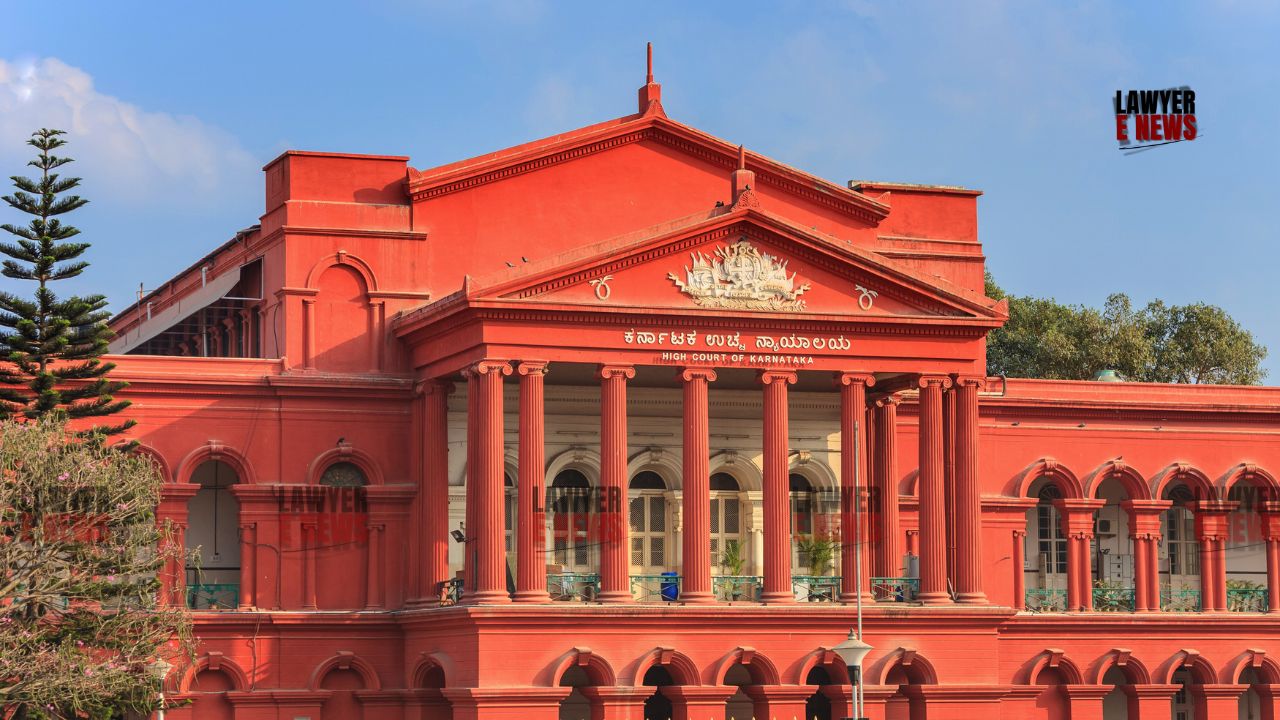
“If the representation is accepted, the petitioner shall be permitted to take the ensuing examination”, In a time-sensitive plea involving examination eligibility, the Karnataka High Court stepped in to ensure procedural fairness without entering into the merits of the dispute, directing the Rajiv Gandhi University of Health Sciences (RGUHS) to consider a long-pending student representation within a strict timeline. Justice E.S. Indiresh, exercising jurisdiction under Articles 226 and 227 of the Constitution, held that while the Court would not adjudicate eligibility, the petitioner’s grievance deserved prompt institutional consideration.
A Decade-Long Academic Journey Hits Regulatory Roadblock
The petitioner, Sri Ramachandre Gowda R.D., had been enrolled in the Bachelor of Physiotherapy (BPT) course since 2016. With supplementary examinations for the third year scheduled in May/June 2026, he approached the High Court seeking permission to appear, citing a representation submitted on February 14, 2026.
Urgency was central to the plea. The University’s notification dated February 23, 2026 had already opened the window for online applications and fee payments, with March 26, 2026 marked as the अंतिम deadline (with penalty). The petitioner argued that unless the Court intervened, he would lose the opportunity to sit for the examination altogether.
University Cites Modified Notification To Deny Eligibility
Opposing the petition, counsel for RGUHS contended that the petitioner, having joined the course in 2016, fell outside the scope of eligibility due to subsequent modifications in the University’s notification framework. On this ground, it was argued that no relief could be granted.
“Representation Must Be Considered Within One Week”
Balancing urgency with institutional autonomy, the Court refrained from expressing any opinion on the petitioner’s eligibility. Instead, it focused on ensuring that the administrative process was not rendered illusory.
Upon examining the February 23 notification governing the supplementary examinations, Justice Indiresh directed the University to consider the petitioner’s representation dated February 14, 2026 “at the earliest,” and in any case within one week.
The Court further mandated that the outcome of such consideration be communicated to the petitioner without delay.
Conditional Door Opens For Examination
In a significant clarification, the Court held that if the University were to “positively accede” to the petitioner’s request, it must permit him to appear in the ensuing third-year BPT supplementary examinations.
By structuring relief in this manner, the Court preserved the University’s authority to determine eligibility while simultaneously safeguarding the petitioner’s right to have his case fairly evaluated within a meaningful timeframe.
No Opinion On Merits, Petition Disposed
Closing the matter, the Court expressly clarified that it had not adjudicated upon the merits of the petitioner’s claim, limiting its intervention strictly to procedural directions.
The writ petition was accordingly disposed of.
Date of Decision: March 26, 2026





