-
by sayum
27 August 2026 5:16 AM







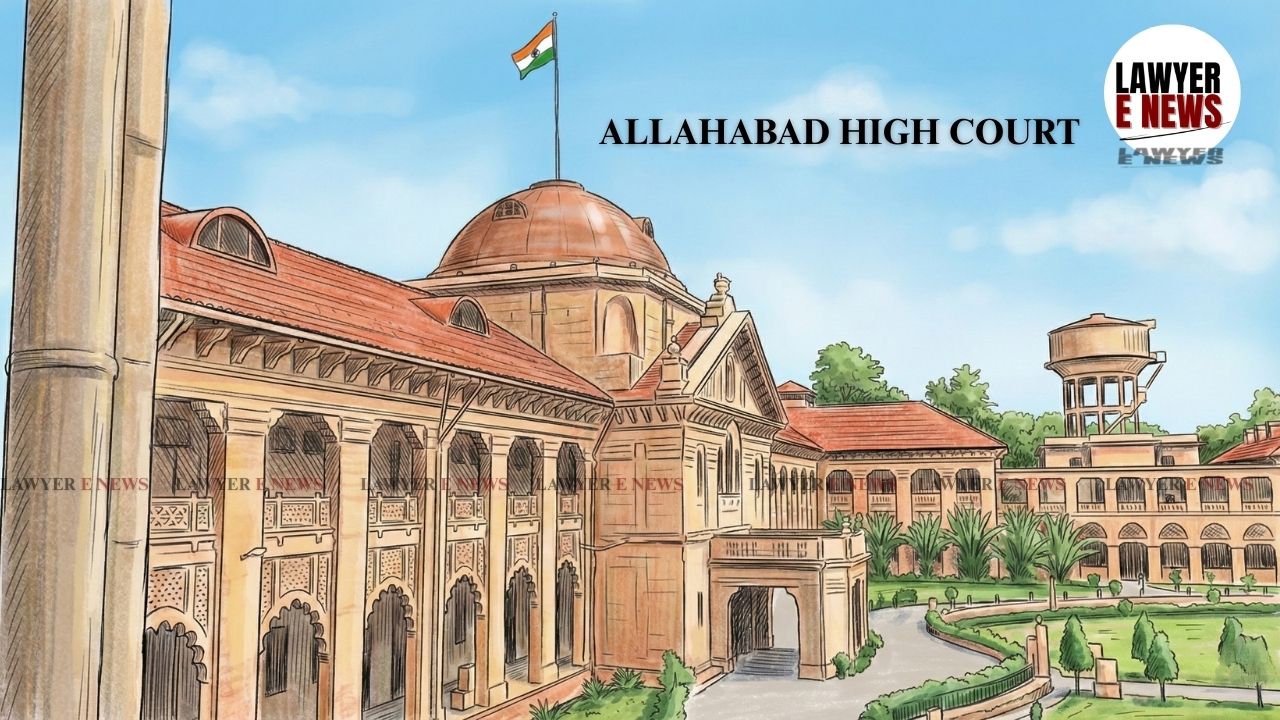
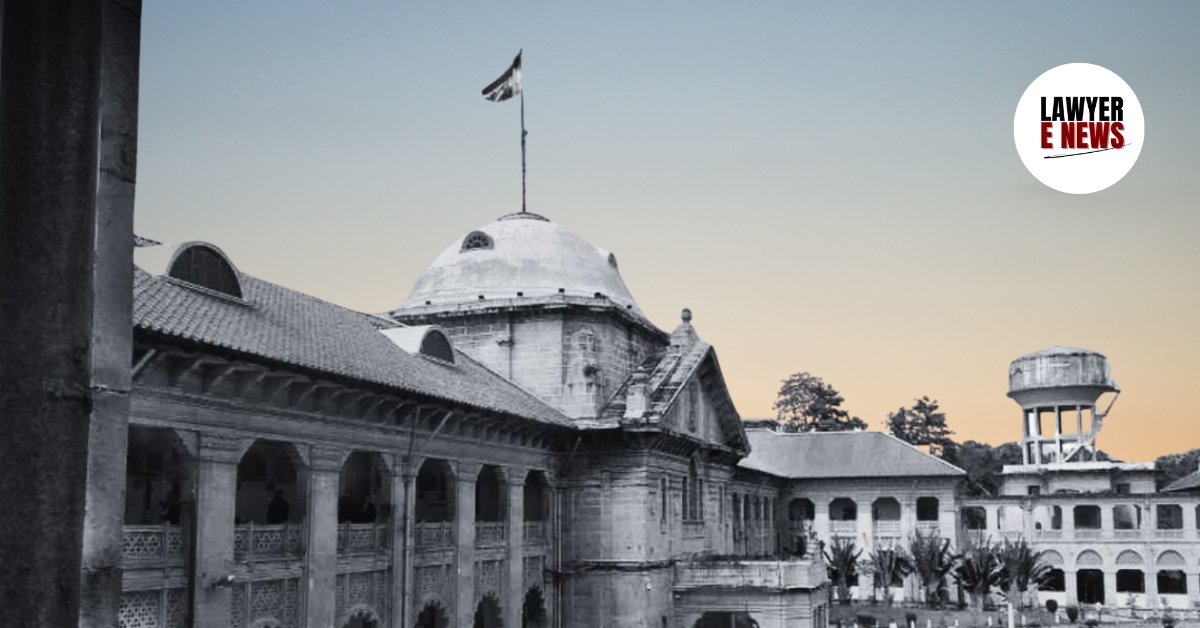
"Considering the historical importance of the idol recovered as it is claimed to be belonging to 9-10th century and sensitivity of the sectarian interpretation as to the identity of the idol... we in the first instance direct for its safe custody in the Central Museum at Prayagraj." Allahabad High Court, in an interim ruling , directed the transfer of a disputed 9th-10th century Jain idol from police custody to the Central Museum at Prayagraj, emphasising the application of the Indian Treasure Trove Act, 1878 to excavated religious artefacts.
A division bench comprising Justice Ajit Kumar and Justice Swarupama Chaturvedi observed that given the historical significance of the recovered antiquity and the complex sectarian claims attached to it, local police custody was legally inappropriate, thereby mandating a specialized expert committee to examine its sectarian identity.
The dispute arose after an ancient idol was recovered during an excavation in District Etah, prompting competing claims of ownership and veneration between the Digambar and Shwetambar sects of the Jain community. Following conflicting preliminary evaluations by the Archaeological Survey of India (ASI), petitioners approached the High Court challenging the continued retention of the historical artefact at the local police station.
The primary question before the court was whether the recovered religious artefact should remain in police custody or be handed over to the district authorities and preserved in a museum in accordance with the principles of the Indian Treasure Trove Act, 1878. The court was also called upon to determine the appropriate mechanism to conclusively ascertain the sectarian identity of the excavated antiquity.
Taking note of the arguments surrounding the proper legal custody of excavated artefacts, the bench recorded the petitioners' reliance on the Indian Treasure Trove Act, 1878. The court heard submissions that whenever property is recovered during the digging of earth, the District Collector must legally be its rightful custodian, and such archaeological discoveries cannot be retained by the police while competing claims are adjudicated. Acknowledging the gravity of the artefact's 9th-century origins, the bench resolved that the idol must immediately be removed from the police station and placed under the jurisdiction of the district administration for secure museum placement.
"...direct the District Magistrate, Etah to ensure that the idol in question is brought to the Central Museum at Prayagraj in safe custody and handed over to the Director..."
Delving into the crux of the sectarian dispute between the Digambar and Shwetambar communities, the court examined the conflicting reports submitted by the ASI. The bench observed that while an initial two-member ASI committee suggested the idol likely belonged to the Shwetambar sect, a subsequent and more detailed assessment by the Superintending Archaeologist of the Agra Circle concluded otherwise. The court noted that the later report found the stylistic and iconographic features to be shared across sects, making a conclusive identification impossible at this preliminary stage.
"The identification of the sculpture as belonging to either the Svetambara or Digambara sect cannot be conclusively established based solely on the existing iconographic and stylistic evidence in the idol since the features remain inconclusive or are shared across sects."
Adopting the recommendations of the ASI to resolve the impasse, the court recognized the profound sensitivity of sectarian interpretations surrounding ancient religious artefacts. To ensure an impartial and scholarly assessment, the bench issued categorical directions to the Central Museum at Prayagraj to constitute an interdisciplinary team of subject experts to thoroughly study the idol. This specialized committee, operating in coordination with the ASI, has been tasked with providing a definitive assessment of the idol's historical period and sectarian lineage.
"...constitute a team of experts... in coordination with the Archeological Survey of India for further study of the idol as to its character, nature and period, more especially with reference to the sects of the Jain Community."
The court passed interim directions mandating the District Magistrate of Etah to physically hand over the idol to the Director of the Central Museum, Prayagraj, by April 11, 2026. The matter has been posted for further compliance on April 13, 2026, when the district administration is required to submit a formal possession memo confirming the safe transfer of the historical artefact, pending the expert committee's sealed cover report.
Date of Decision: 17 March 2026